

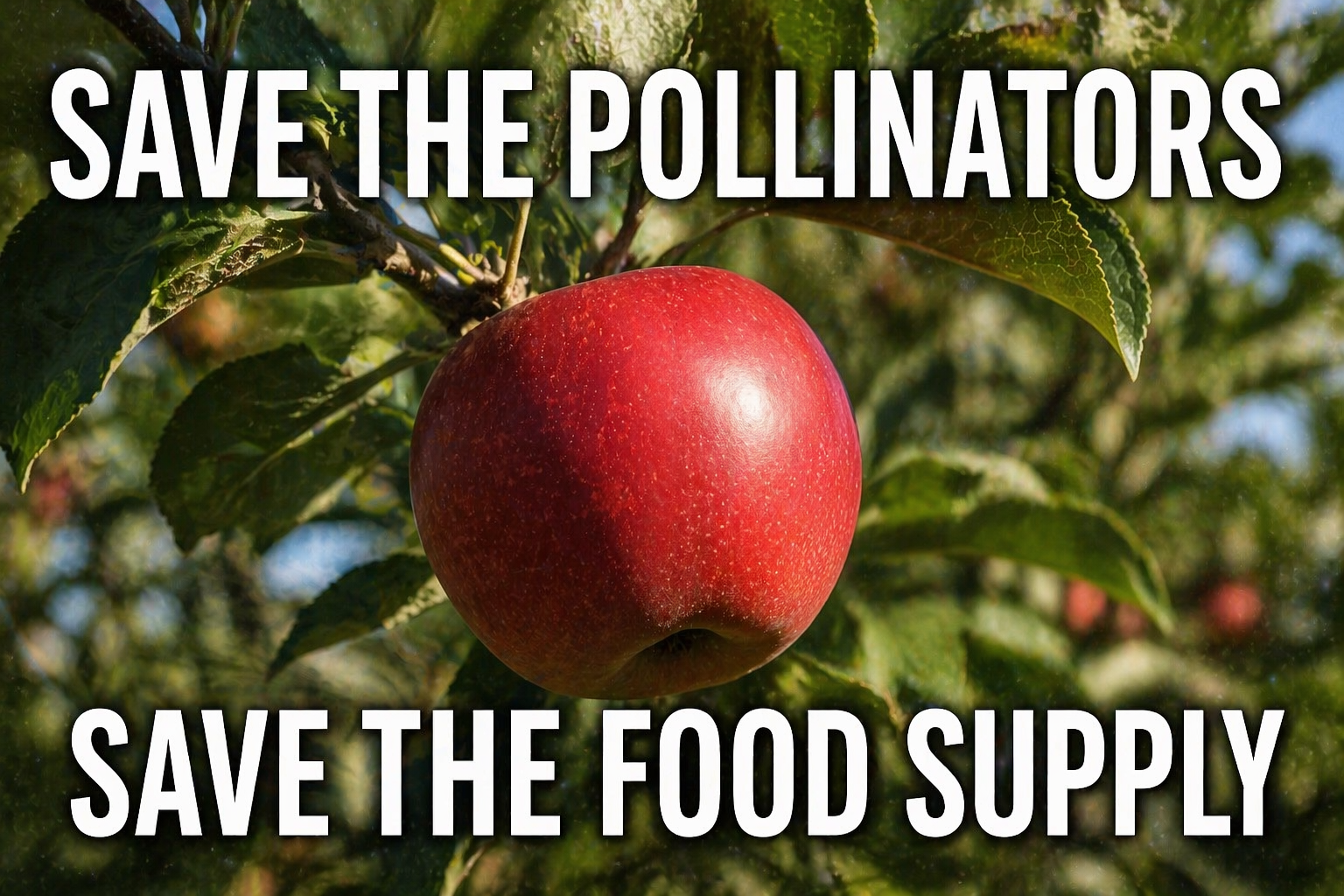

Sacramento, CA – As Earth Day is recognized across California today, environmental experts are raising concerns about widespread pesticide use and its growing impact on pollinators, including bees and butterflies essential to the state’s agriculture and ecosystems.
According to the California Department of Pesticide Regulation, the state consistently ranks as the nation’s largest user of agricultural pesticides, driven by its vast farming industry in regions like the Central Valley. While these chemicals help maintain crop yields, scientists say they can also harm beneficial insects that play a critical role in pollination.
Pollinators are responsible for supporting crops such as almonds, fruits, and vegetables—industries that contribute billions to California’s economy. Experts warn that exposure to certain pesticides, particularly neonicotinoids, can weaken bee populations, disrupt reproduction, and contribute to long-term declines.
Environmental groups say chemicals enter the ecosystem through multiple pathways, including direct application on crops, airborne drift, and runoff into soil and water systems. Once in the environment, these substances can affect not only pollinators but also birds, aquatic life, and broader biodiversity.
In response, officials and advocates are encouraging Californians to adopt more pollinator-friendly practices. Recommendations include reducing or eliminating pesticide use in home gardens, choosing organic or natural pest control methods, and planting native, pollinator-supporting plants.
Experts also advise residents to avoid spraying during daylight hours when bees are most active and to support local farms that use sustainable growing practices. Even small changes in residential areas, they say, can collectively reduce chemical exposure across ecosystems.
State regulators have taken steps to review and restrict certain pesticide uses, but advocates emphasize that consumer awareness remains a key factor in protecting pollinators.
As Earth Day highlights environmental responsibility, experts say reducing pesticide reliance is one of the most immediate ways Californians can help preserve pollinator populations and maintain the health of the state’s food systems.
This article was produced by a journalist and may include AI-assisted input. All content is reviewed for accuracy and fairness.
Follow us on Instagram & Facebook for more relevant news stories and SUPPORT LOCAL INDEPENDENT NEWS! Have a tip? Message us!
