


Springfield, IL – As Illinois residents head outdoors for summer recreation, state health officials are urging caution to prevent tick bites that can lead to illness.
According to the Illinois Department of Public Health, blacklegged ticks—also known as deer ticks—are the most common species in the state that can transmit disease. These small arachnids are found in grassy, wooded, or brushy areas and can easily attach to humans or pets during activities like hiking, camping, or even walking a dog.
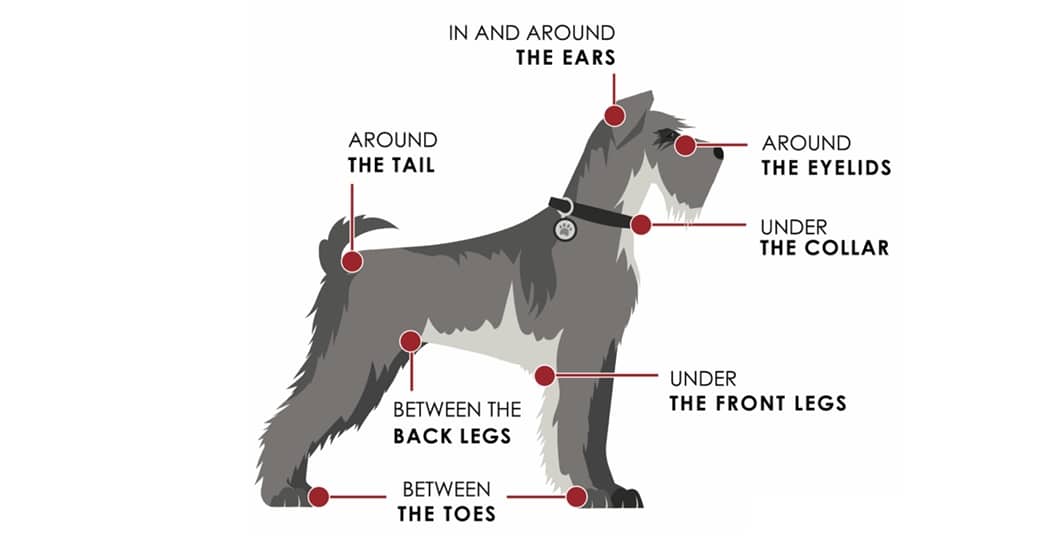
Tick bites can sometimes make people sick, officials say. The department recommends using insect repellents containing DEET, wearing long sleeves and pants, and avoiding tall grass to reduce the risk of bites. It’s important to check for ticks after spending time outdoors, especially in and around the hair, ears, underarms, waist, and behind the knees. Pets should also be checked, particularly around the ears, eyelids, collar, and between the toes.
If a tick is found attached to the skin, experts advise removing it as soon as possible with fine-tipped tweezers, pulling steadily without twisting. After removal, the bite area should be washed thoroughly with soap and water or disinfectant. The department warns not to use petroleum jelly, heat, or nail polish to remove ticks.
Should any symptoms like fever, rash, headache, or fatigue develop within 30 days of a tick bite or exposure in tick-prone areas, residents are advised to contact a healthcare provider immediately. Early treatment is crucial, especially for children and pets, to prevent serious illness.
More information and detailed tick removal instructions can be found at the Illinois Department of Public Health website.


