

Nashville, Tennessee – For anyone traveling across the Tennessee Valley in 2026, January represents one of the most critical periods for winter driving preparation as cold snaps, ice, and repeated freeze-thaw cycles create dangerous road conditions from Tennessee through Alabama.
Transportation and safety officials across the region note that January often brings some of the most hazardous winter travel conditions, even when snowfall totals remain low. Ice formation, black ice, and refreezing are leading contributors to crashes, particularly on untreated roads and elevated surfaces.
Officials emphasize that cars, trucks, and SUVs are all vulnerable to losing traction. While four-wheel drive and all-wheel drive can help vehicles move forward, they do not improve braking or prevent sliding on ice-covered pavement.
Throughout January, daytime melting followed by overnight freezing is common across the Tennessee Valley. These conditions frequently create slick surfaces on major routes such as Interstate 40, Interstate 65, Interstate 24, U.S. Route 72, and U.S. Route 231, as well as on bridges, overpasses, shaded roadways, and rural highways.
January is considered an ideal time for drivers to reassess vehicle readiness. Officials recommend checking tire tread depth and pressure, testing brakes, replacing worn wiper blades, and ensuring headlights and taillights are fully operational. Windshield washer fluid rated for freezing temperatures is also advised.
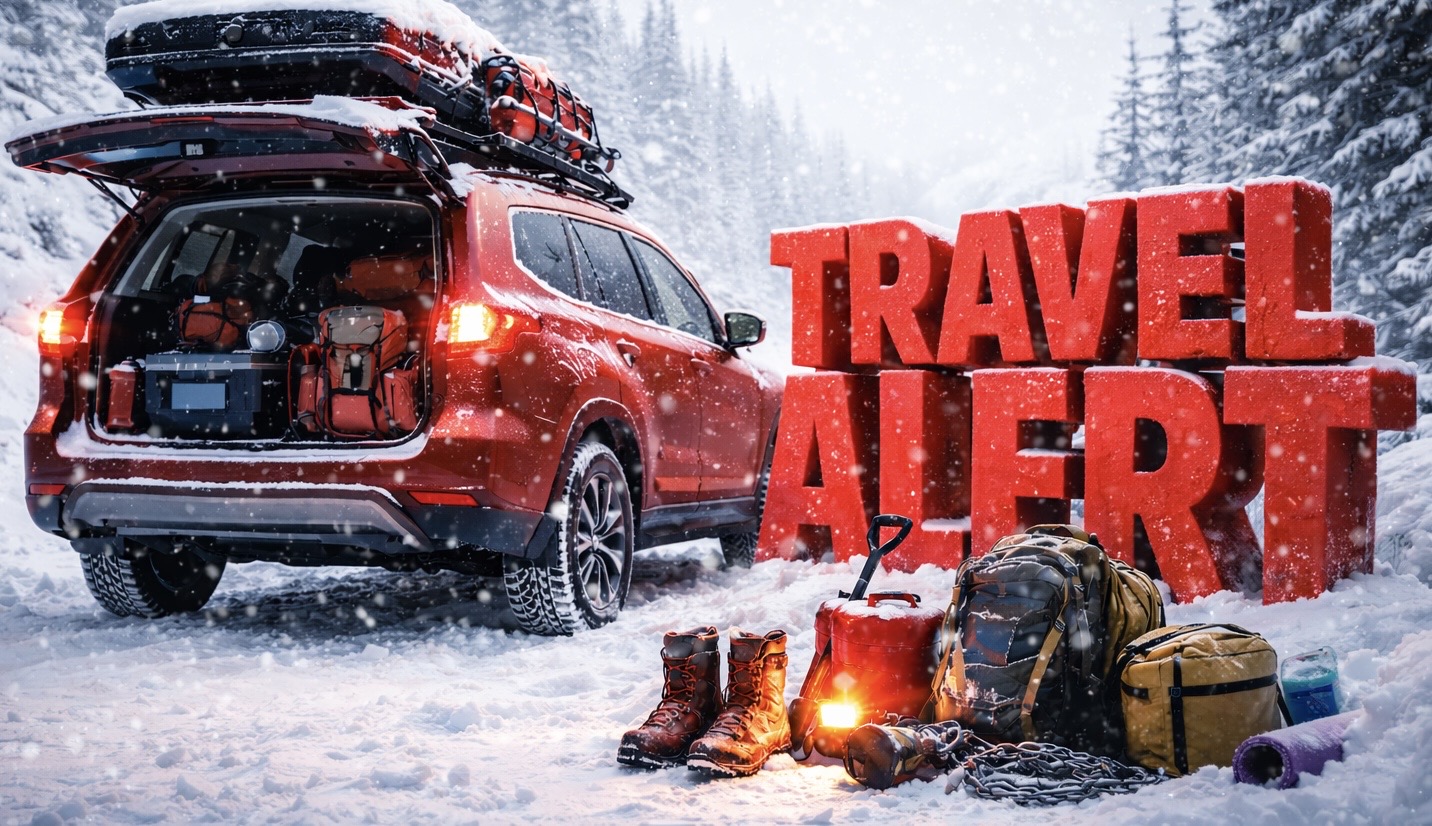
Emergency preparedness becomes increasingly important during prolonged cold periods. Winter kits should include warm clothing, blankets, food, water, a flashlight, a phone charger, and traction aids when conditions warrant. Drivers are encouraged to keep fuel tanks at least half full in case of delays, crashes, or temporary road closures.
Planning ahead remains one of the most effective winter safety measures. Sharing travel plans with family or friends, allowing extra travel time, and checking road conditions before departure can reduce risk. Real-time updates are available through state transportation agencies, with official forecasts posted at weather.gov.
Officials stress that winter travel safety in January depends less on vehicle type and more on preparation, patience, and decision-making — especially in regions where ice can form quickly with little warning.


