

Chicago, Illinois – A surge of Arctic air is expected to move into northern Illinois between Jan. 18 and Jan. 22, bringing a sustained period of colder-than-normal temperatures as a fast-moving clipper system reinforces a broader pattern shift across the Midwest and eastern United States.
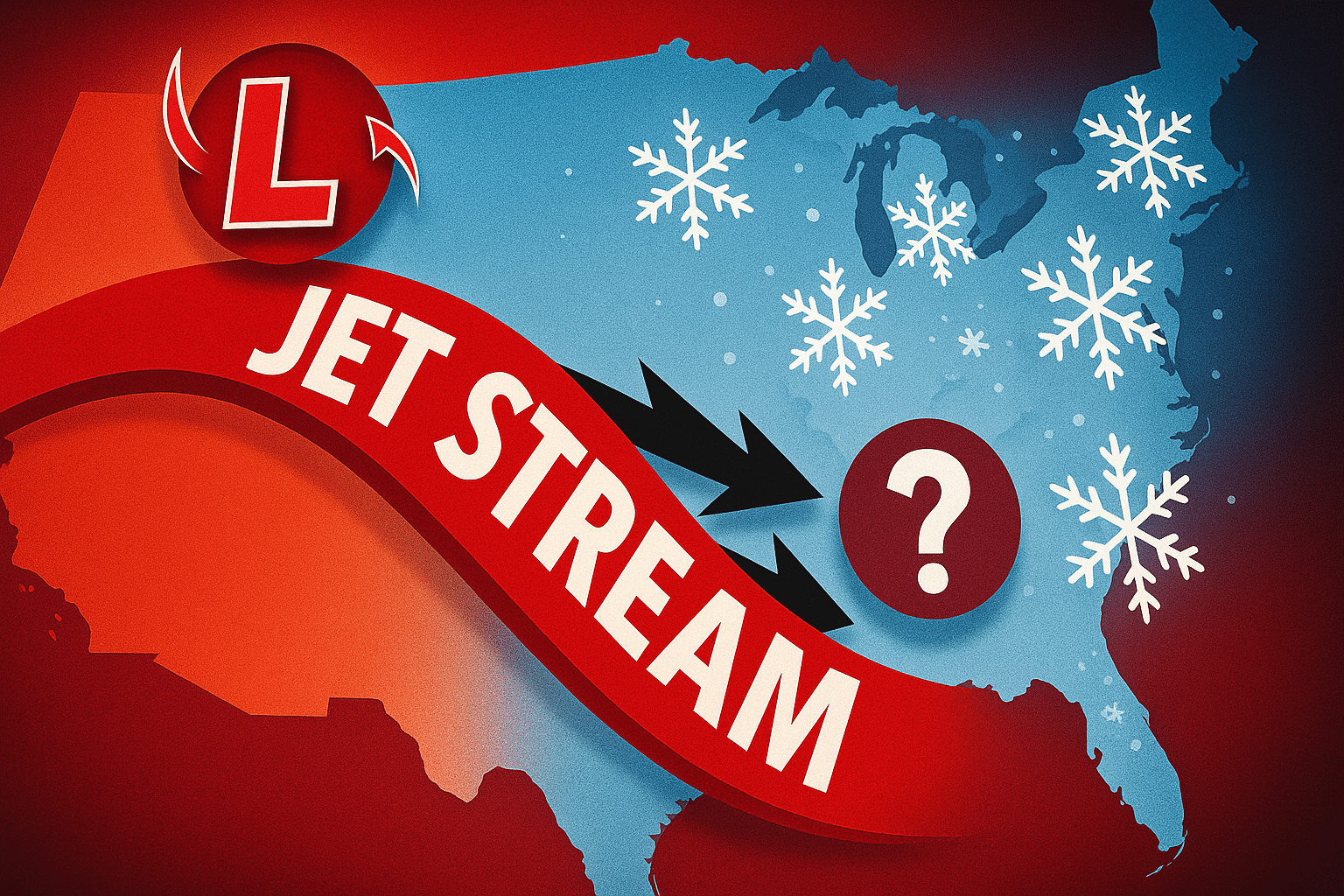
According to the Climate Prediction Center’s 6–10 day temperature outlook, northern Illinois is favored to experience below-normal temperatures during this period as a deep upper-level trough settles over the eastern half of the country. The colder pattern follows the breakdown of a recent mild stretch, driven by strong ridging across the western U.S. and Alaska that allows Arctic air to push southward into the Great Lakes region.

Daytime high temperatures are expected to run several degrees below mid-January averages, while overnight lows fall sharply across the region. The coldest conditions are most likely during overnight and early morning hours, when increasing winds behind the clipper system could drive wind chills into the single digits or below zero, particularly across exposed areas and along the Interstate 80 and Interstate 90 corridors.
Through Jan. 22, precipitation chances are expected to remain near normal for this time of year, with no strong signal for widespread snow during the core cold window. Forecast guidance suggests the incoming Arctic air mass will be relatively dry, limiting snowfall unless additional moisture becomes available. Any snow during this period would likely be light and brief.
Looking beyond the immediate cold stretch, forecast outlooks indicate a 20% to 40% risk of heavy snow sometime during the Jan. 20–26 timeframe for portions of northern Illinois, extending into northern Indiana, Ohio, Michigan, and the Ohio-Pennsylvania region. While confidence in exact timing and placement remains low, the colder pattern could support more impactful snowfall if storm systems align across the Great Lakes.
For northern Illinois commuters, students, and outdoor workers, the primary concern through Jan. 22 will be prolonged cold exposure and increased heating demand, with closer monitoring advised for potential snow impacts later in the period.


