

Washington, DC – NOAA has officially declared the arrival of El Niño, a major climate pattern that could significantly influence weather conditions across the United States through the upcoming fall and winter seasons.
According to NOAA’s National Weather Service, ocean temperatures in the equatorial Pacific have risen enough to meet the criteria for an El Niño event, prompting forecasters to issue an official El Niño Advisory on June 11.

Meteorologists expect the event to strengthen over the coming months, with a 63% chance that Pacific Ocean temperatures will exceed 2.0 degrees Celsius above average in the monitored region. If that threshold is reached, NOAA would classify the event as a “very strong” El Niño.
El Niño develops when warmer-than-average waters spread across the central and eastern tropical Pacific Ocean, disrupting normal atmospheric circulation patterns. The phenomenon often reaches peak intensity during the Northern Hemisphere winter and can influence weather patterns around the globe.
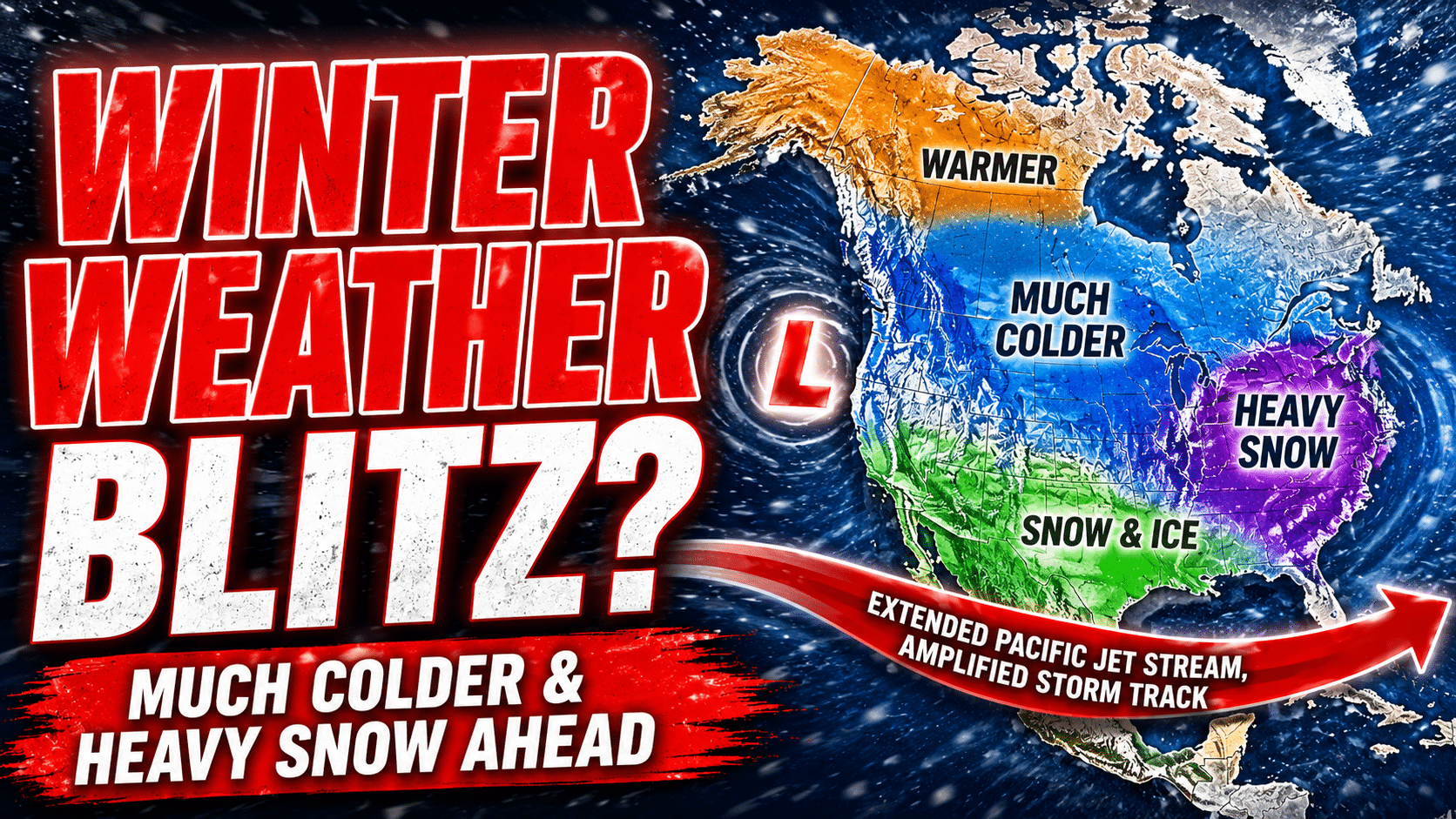
For the United States, El Niño typically shifts the Pacific jet stream farther south, increasing storm activity across the southern tier of the country while bringing drier conditions to portions of the Northern Rockies, Ohio Valley and Tennessee Valley. Northern states often experience warmer-than-average winter temperatures during El Niño years.
“Every El Niño is not the same; each one is unique with its own imprint on our weather,” National Weather Service Director Ken Graham said in a statement.
NOAA also noted that El Niño can suppress hurricane activity in the Atlantic Ocean while increasing tropical development in parts of the eastern and central Pacific. Additional impacts may include increased high-tide flooding risks along portions of the U.S. coastline and changes to marine ecosystems, fisheries and harmful algal bloom activity.
The announcement marks the first major El Niño declaration since NOAA adopted its new Relative Oceanic Niño Index, or RONI, earlier this year. Officials say the updated measurement provides a more accurate way to identify and monitor El Niño and La Niña conditions as ocean temperatures continue to change over time.


