

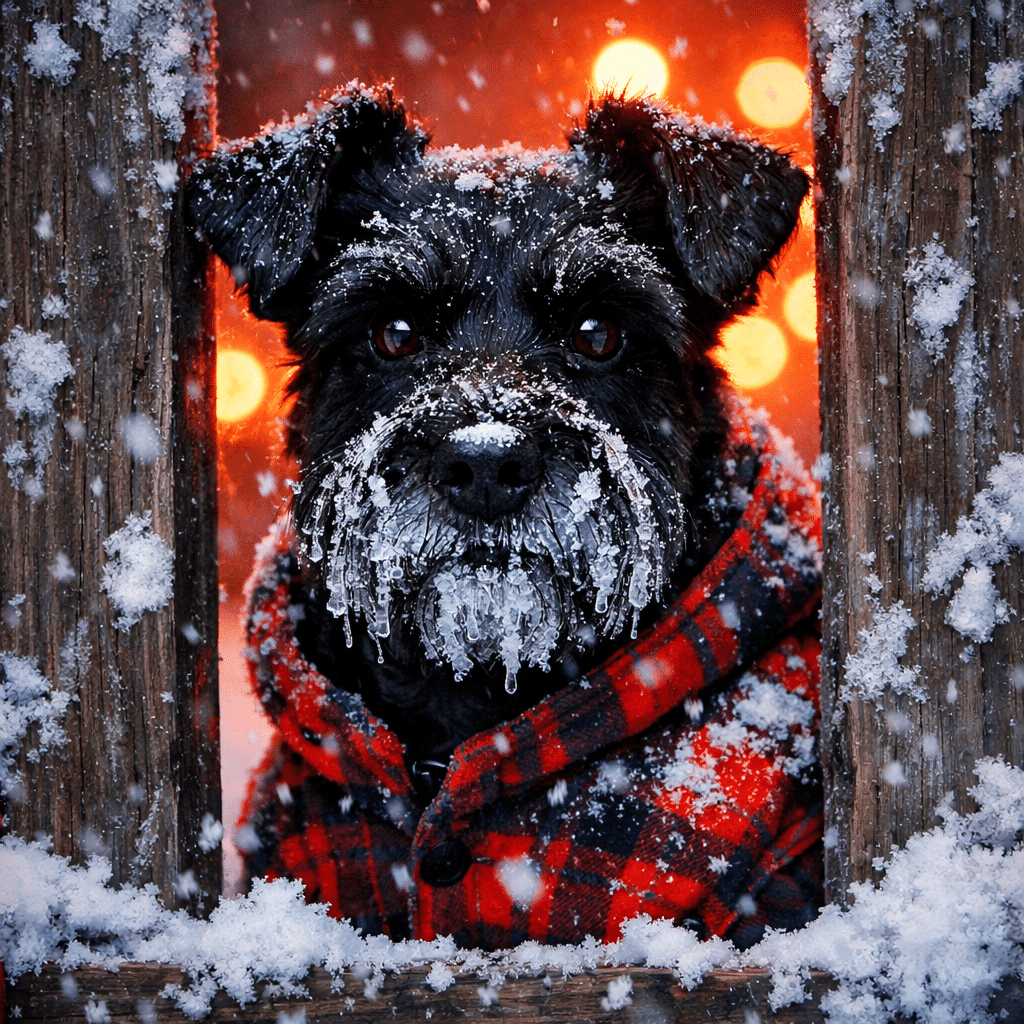
Indianapolis, Indiana – As winter cold continues to grip Indiana into February, animal welfare experts are urging pet owners to remain cautious as prolonged cold conditions pose ongoing risks for pets statewide. Even without a major winter storm, repeated exposure to freezing temperatures, wind, and icy ground can quickly lead to dangerous health issues for animals.
According to the American Red Cross, pets should be kept indoors as much as possible during extended cold stretches. Animals left outside can develop hypothermia, frostbite, or become disoriented in a short amount of time. Cold weather can also turn parked vehicles into unsafe environments that trap frigid air, making it dangerous to leave pets unattended even briefly.
The American Society for the Prevention of Cruelty to Animals warns that frostbite in pets most often affects ears, paws, tails, and noses first. In extreme cold, frostbite can begin developing in as little as 10 to 15 minutes, and damage is not always immediately visible. Signs of hypothermia include shivering, weakness, slowed movement, anxiety, or seeking warm places to burrow. Pets showing these symptoms should be brought indoors immediately and evaluated by a veterinarian.
Winter hazards extend beyond temperature alone. The ASPCA notes that salt and ice-melting chemicals commonly used on sidewalks and roads can irritate paws and become toxic if ingested. Pet owners are encouraged to wipe paws, legs, and bellies after walks, check for cracks or redness, and use pet-friendly ice melt products when possible. Booties or vet-approved paw protectants can provide added protection during repeated outings.
Experts also recommend limiting bathing during cold spells to prevent dry skin, keeping coats dry, and providing extra calories to help pets maintain body heat. Pets should have warm, draft-free sleeping areas off the floor, and antifreeze spills should be cleaned immediately, as ingestion can be fatal.
With cold conditions expected to linger into mid-February, the Red Cross advises families to include pets in winter emergency plans and keep several days’ worth of food, water, and medications on hand to help keep Indiana’s pets safe through the coldest stretch of winter.


