

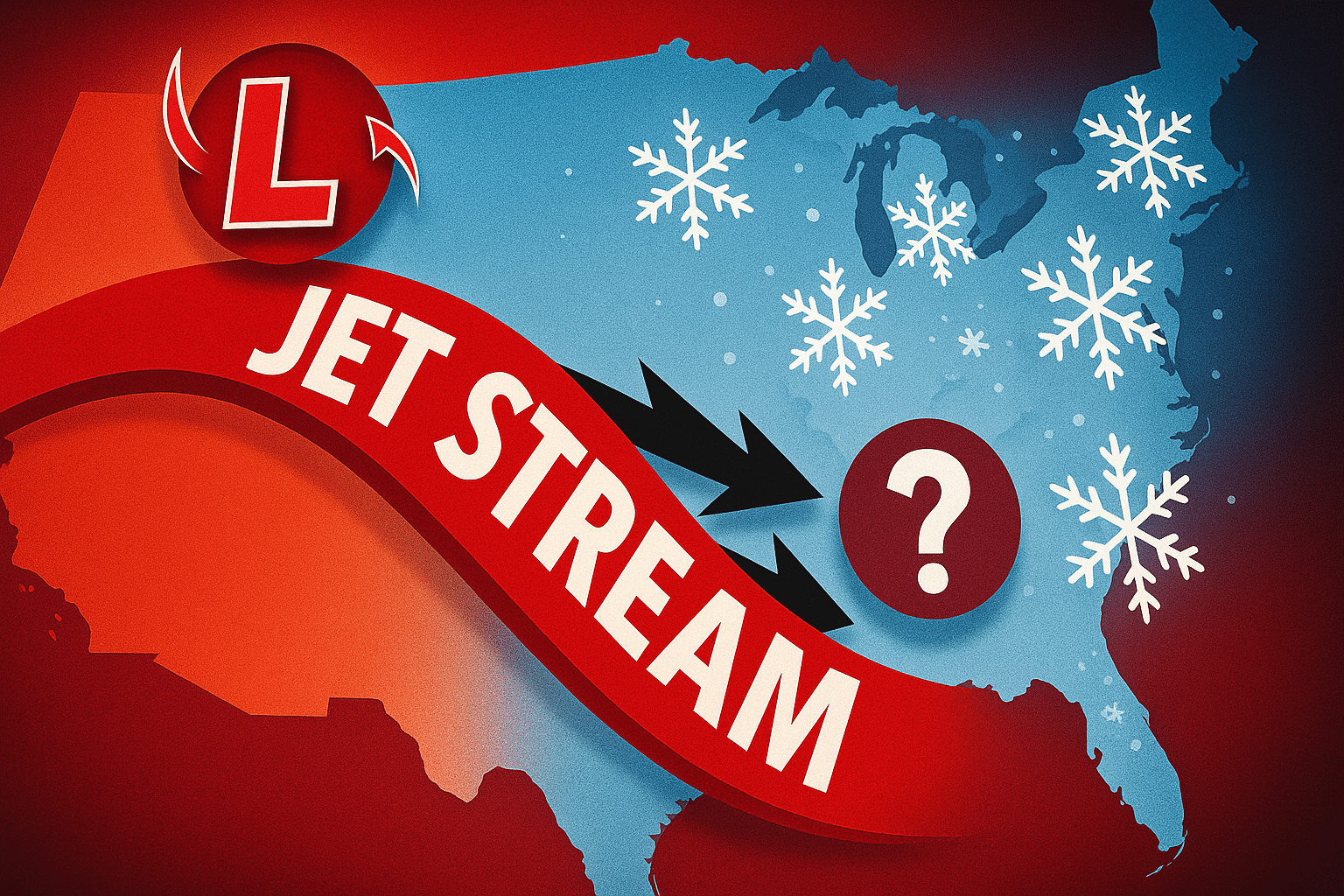
Dover, Delaware – A surge of Arctic air is expected to reach Delaware between Jan. 18 and Jan. 22, bringing a noticeable shift toward colder-than-normal temperatures as a clipper system reinforces a broader pattern change across the eastern United States.
According to the Climate Prediction Center’s 6–10 day temperature outlook, Delaware is favored to experience below-normal temperatures during this period as a deep upper-level trough settles over the eastern half of the country. This colder pattern follows the breakdown of a recent mild stretch, driven by strong ridging across the western U.S. and Alaska that allows Arctic air to press southward.

Daytime high temperatures are expected to fall several degrees below mid-January averages, while overnight lows trend colder across inland areas of the state. Although coastal influences may slightly moderate temperatures at times, increasing winds behind the passing clipper system could produce noticeably colder wind chills, particularly overnight and during early morning hours.
Despite the colder air mass, precipitation chances are expected to remain near normal for this time of year. Forecast guidance does not show a strong signal for widespread snow or rain during the Jan. 18–22 window, as the Arctic air is expected to be relatively dry. Any precipitation that does occur would likely be light and brief, tied to fast-moving systems.
For Delaware commuters, students, and outdoor workers, the primary impacts during this period will be prolonged cold exposure and higher heating demand, rather than travel disruptions. Residents are encouraged to monitor updated forecasts as temperature trends and wind impacts become clearer closer to the event.


