

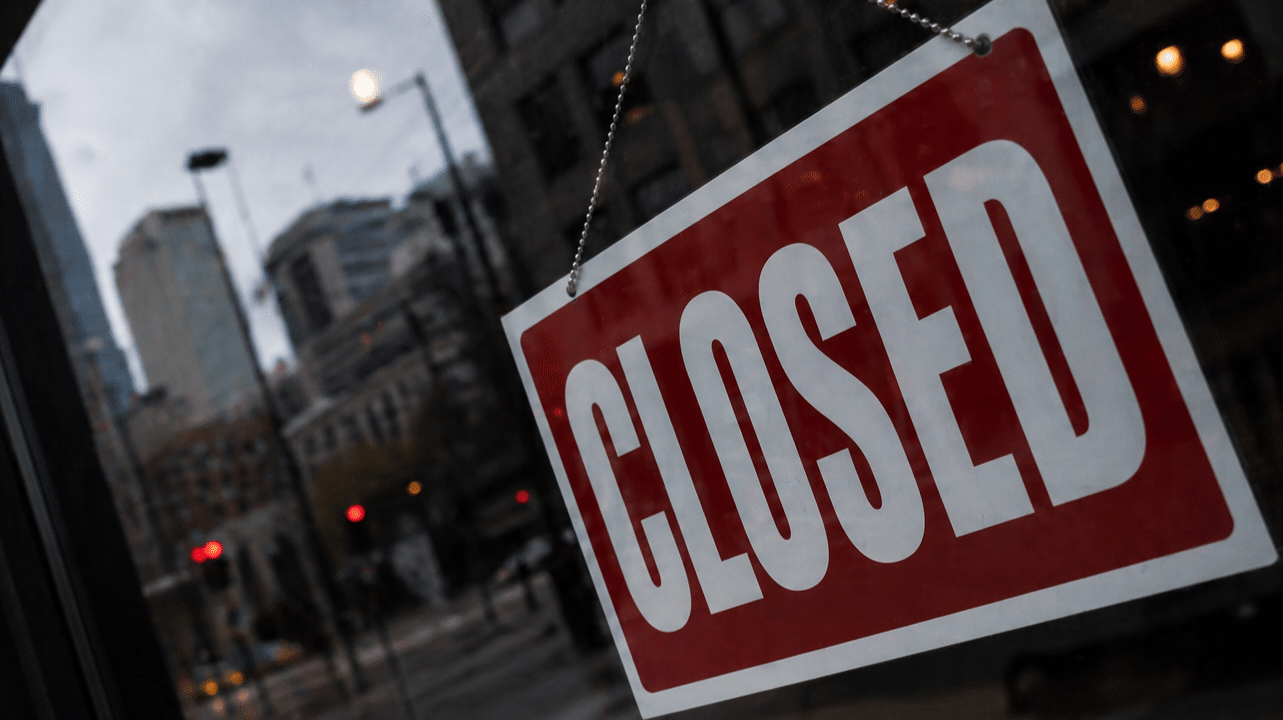
Chicago, Illinois – Chicago’s restaurant industry is facing renewed pressure after losing another 2,100 jobs over the past year, signaling continued instability across the sector.
According to new data from the U.S. Bureau of Labor Statistics, full-service restaurant employment in the city remains nearly 10,000 jobs below pre-pandemic levels as of January. The decline highlights a slow and uneven recovery for an industry still grappling with economic challenges.
The job losses have translated into significant financial impact, with more than $405 million in lost income for restaurant workers. After a period of growth in 2023, employment began to slow in mid-2024 and has continued trending downward.
Industry data also shows widespread business closures. In the first half of 2025 alone, 496 restaurants shut their doors, adding to concerns about long-term sustainability for independent operators.
According to the Illinois Restaurant Association, rising costs for food, rent, utilities, insurance, and labor are putting increasing strain on businesses. Operators say they are being forced to make difficult decisions, including reducing staff, cutting hours, or delaying hiring.
The report comes amid ongoing debate over Chicago’s tip credit policy. A recently vetoed ordinance would have paused the phaseout of the tip credit, which allows employers to count tips toward a portion of wages. Supporters of the pause argue it would provide stability for businesses navigating higher costs.
Industry leaders warn that continued policy changes could lead to further job cuts. A March 2026 survey found many restaurant operators expect to reduce staffing levels and scale back hiring if current trends continue.
Despite claims about wages, officials note that workers are required by law to earn at least minimum wage, with many earning more through tips.
As the next scheduled policy change approaches in July, restaurant owners and workers alike are watching closely, with the future of jobs and businesses in the balance.
