

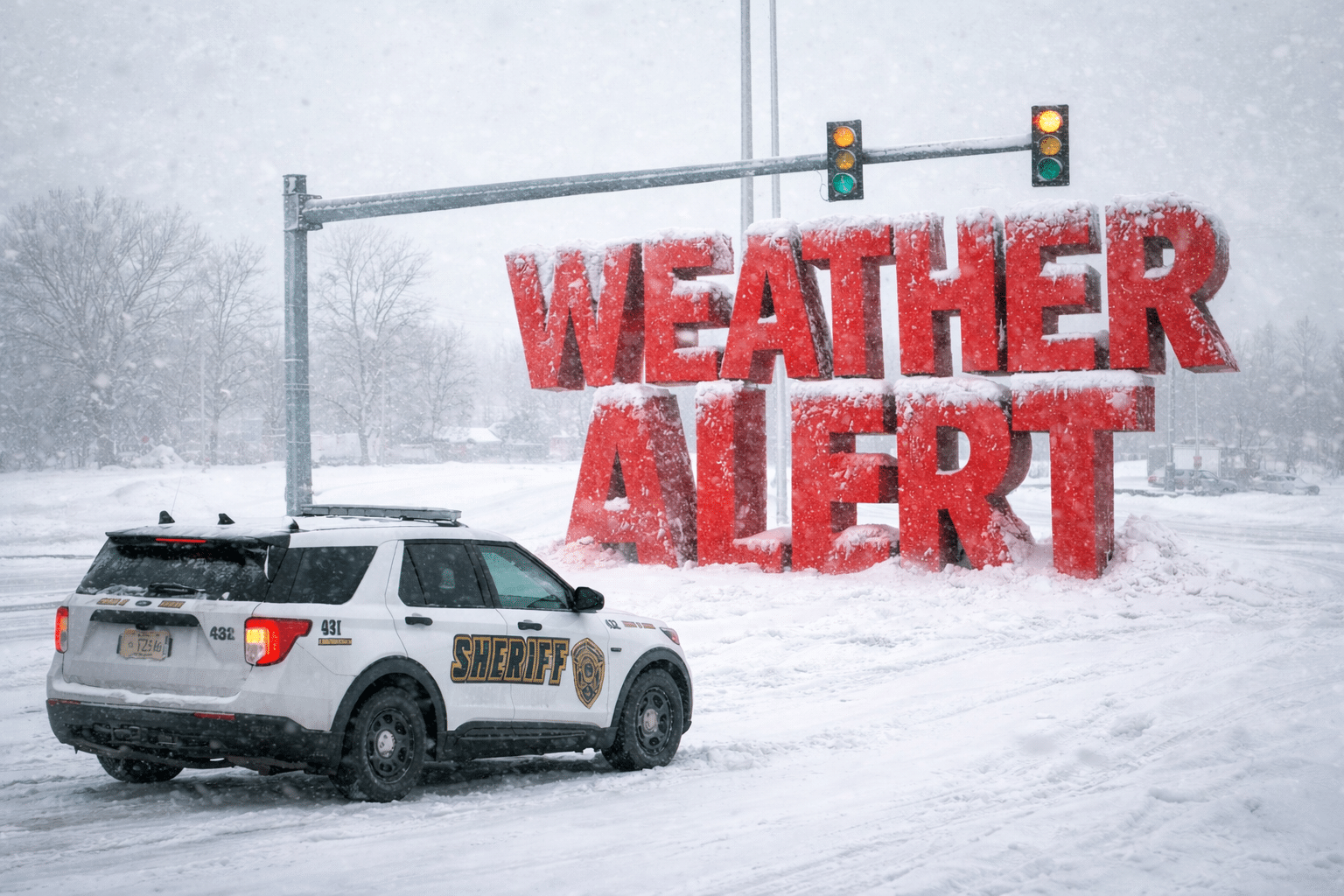
Raleigh, North Carolina – North Carolina is facing an extended period of winter weather risk as lingering cold air keeps the potential for additional snow and ice events elevated through mid-February, following one of the most far-reaching winter storms of the season.
According to the National Weather Service Climate Prediction Center, temperatures across North Carolina are expected to remain below normal, allowing cold air to stay entrenched across the region. With that setup in place, any storm system tracking across the Southeast or Mid-Atlantic could produce snow or mixed precipitation, particularly across central and western parts of the state.

The concern comes after Winter Storm Fern, a massive system that swept from Texas to Maine and impacted more than two dozen states. Fern brought rare and disruptive snowfall to parts of the Carolinas, creating hazardous travel conditions across the Piedmont and foothills while heavier snow fell farther north. In North Carolina, slick roads along Interstates 40, 77, and 85 led to travel delays, school disruptions, and scattered accidents.
As cold conditions linger, communities from Raleigh and Greensboro to Charlotte, Hickory, and the North Carolina mountains could see renewed impacts if similarly strong systems develop. North Carolina Department of Transportation officials warn that repeated winter events can quickly lead to icy road conditions, especially during overnight and early morning hours when temperatures drop below freezing.
Emergency management officials are urging residents to prepare now by checking heating systems, ensuring vehicles are winter-ready, and keeping emergency supplies on hand. Drivers are encouraged to limit travel during wintry weather when possible and monitor local advisories closely.
While the exact timing of any future storm remains uncertain, forecasters say the broader pattern supports continued winter threats. Additional advisories and alerts may be issued as confidence increases, with cold air and the potential for snow remaining a concern across North Carolina through mid-February.


