

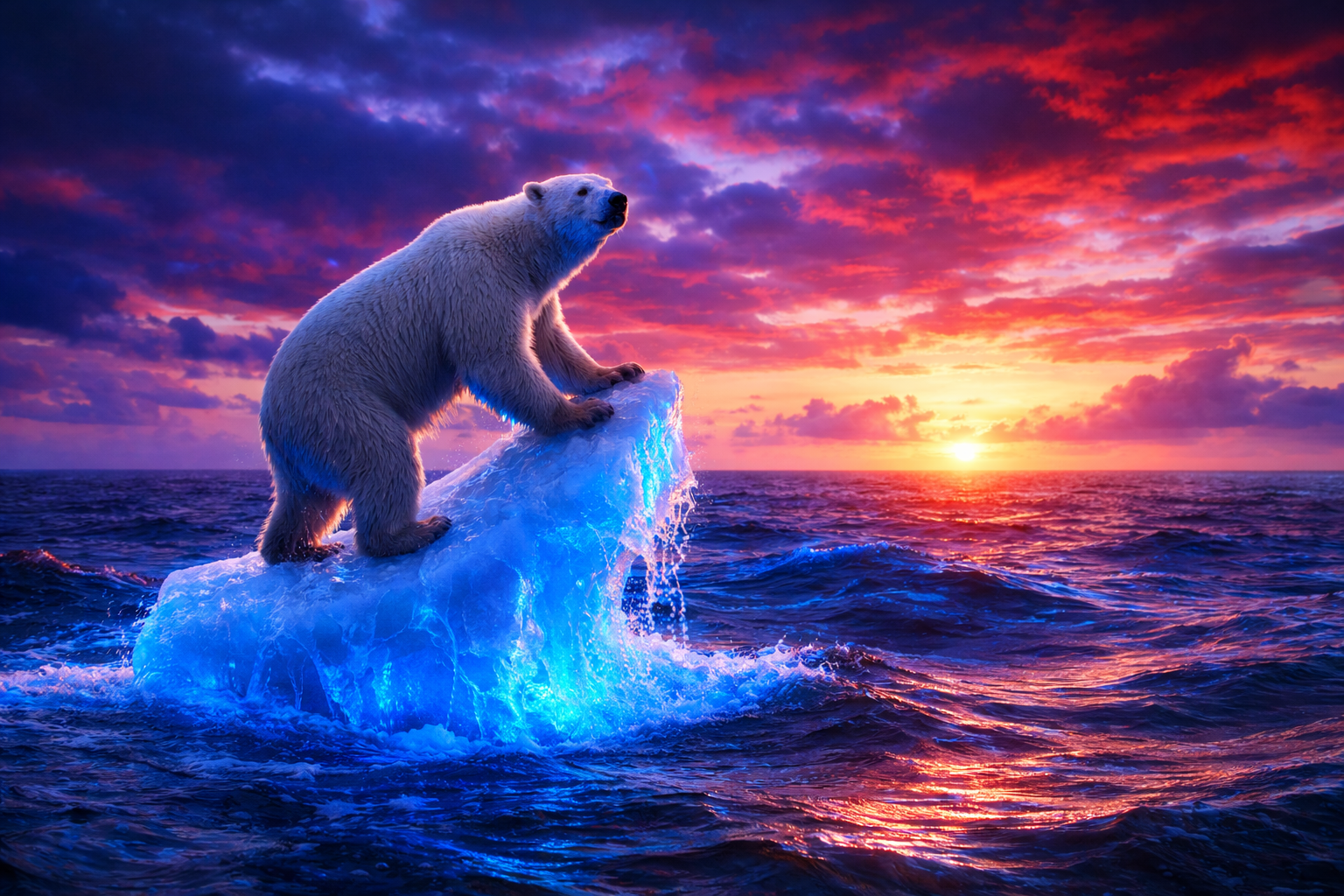
Washington, D.C. – The Arctic continues to warm faster than the rest of the planet, with new data showing record temperatures, declining sea ice, and accelerating environmental change, according to the 2025 Arctic Report Card released by NOAA.
Now in its 20th year, the Arctic Report Card provides a comprehensive assessment of conditions across the Arctic’s atmosphere, ocean, land, and ecosystems. According to NOAA scientists, surface air temperatures from October 2024 through September 2025 were the warmest on record, continuing a long-term warming trend that has accelerated since 2006 at more than double the global rate.

The report highlights major ocean changes, including the lowest winter maximum sea ice extent on record in March 2025 and continued loss of multi-year ice, which has declined by more than 95% since the 1980s. Several Arctic Ocean regions that were historically ice-covered are now ice-free during late summer, contributing to warmer ocean temperatures and altered marine ecosystems.
On land, glaciers in Arctic Scandinavia and Svalbard experienced their largest annual net ice loss on record, while the Greenland Ice Sheet lost an estimated 129 billion tons of ice in 2025. Thawing permafrost continues to release metals and sediment into rivers, creating so-called “rusting rivers” that degrade water quality and affect fish habitats.
Scientists also documented changes to food webs, fisheries, and Indigenous subsistence practices as warming waters and shifting species distributions reshape Arctic life.
NOAA emphasized that Indigenous knowledge and long-term partnerships remain central to understanding Arctic change, especially as environmental shifts increasingly influence global weather patterns, sea levels, and climate systems.
While the findings are global in scope, NOAA officials say the impacts extend far beyond the Arctic, influencing mid-latitude weather patterns that affect the United States and major population corridors.


