

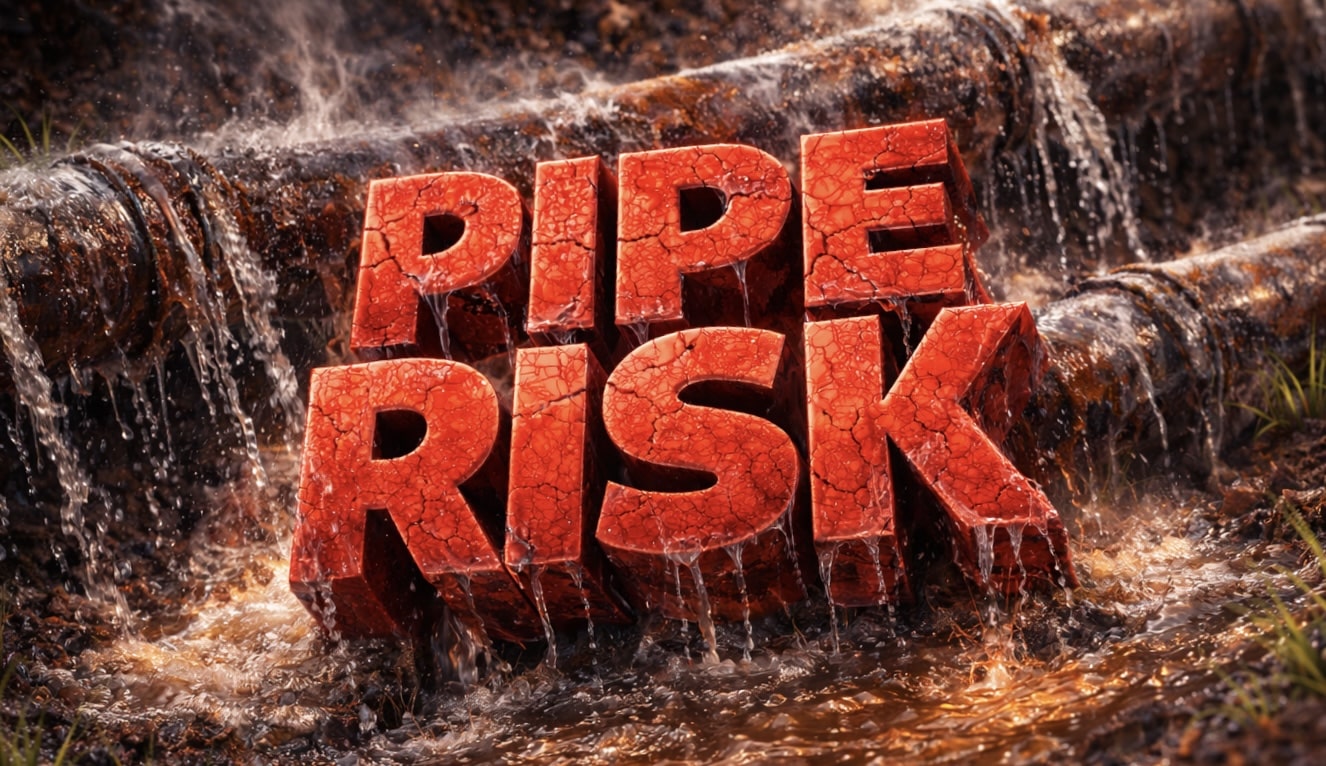
Charleston, W.Va. – Late-winter temperature swings are driving pipe failures across West Virginia homes just weeks before spring arrives.
Plumbing professionals say the transition from winter cold to early spring warmth is especially damaging in mountainous regions, where temperatures can fluctuate sharply within a single day. Pipes weakened by winter freezing expand and contract repeatedly, increasing the likelihood of cracks and leaks.

In cities such as Charleston and Morgantown, where many homes were built decades ago, aging plumbing systems face heightened risk. Pipes located in basements, crawl spaces, exterior walls, and unheated areas often develop hairline fractures during winter that remain hidden until water pressure increases later in the season.
Many failures surface when homeowners reconnect outdoor hoses, resume heavier water use, or begin early spring cleaning. Warning signs may include fluctuating water pressure, damp spots near walls or ceilings, corrosion or discoloration along exposed pipes, and outdoor faucets that drip when turned on.
Plumbers across West Virginia report that early spring consistently brings an increase in emergency service calls, with many repairs traced back to freeze damage that occurred weeks earlier. As demand rises, wait times and repair costs often increase.
Younger homeowners and first-time buyers are frequently caught off guard by sudden pipe failures, which can flood living spaces, damage electronics, and disrupt work or school schedules. Renters may also experience service interruptions if urgent repairs are required.
Experts recommend inspecting exposed pipes now, testing all faucets for pressure changes, draining and disconnecting outdoor hoses, and insulating plumbing in unheated areas. Addressing pipe stress before consistent warm weather arrives can help prevent costly water damage during West Virginia’s spring transition.


