

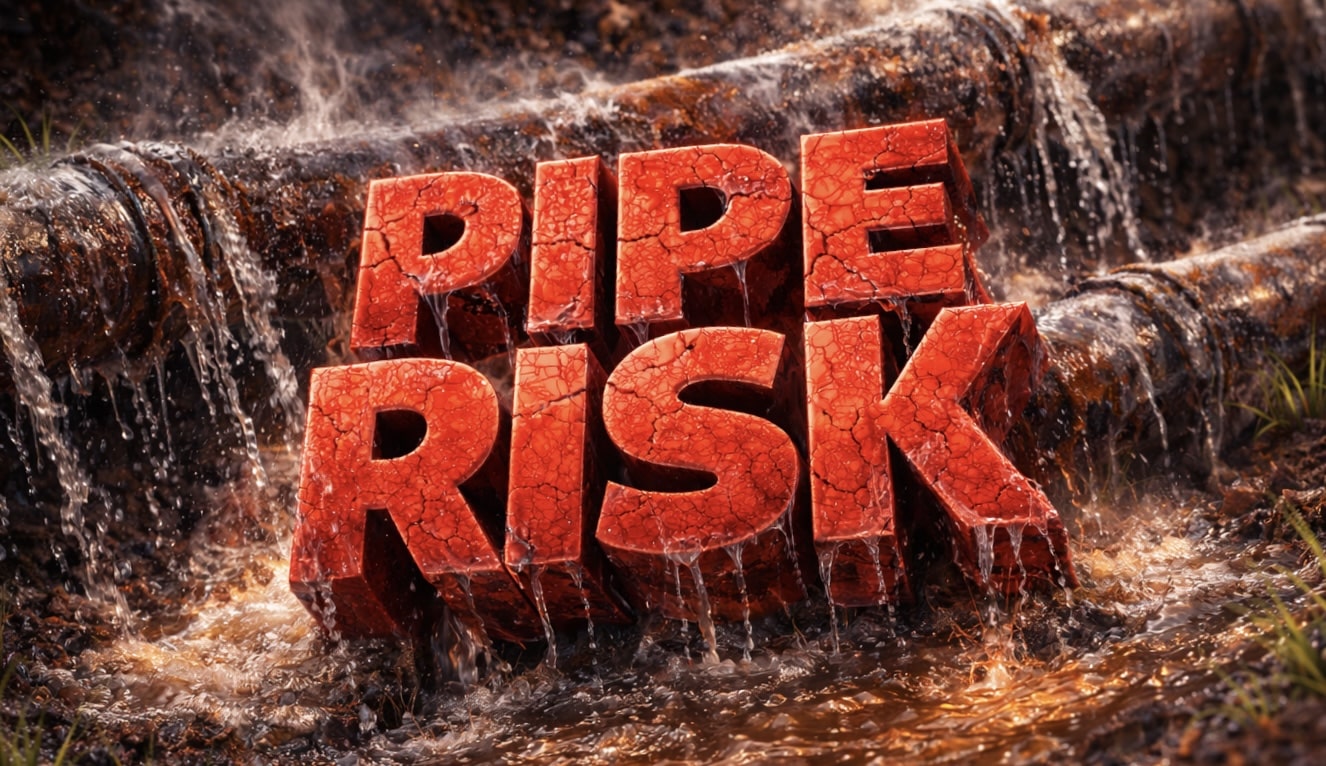
Columbia, S.C. – Sudden temperature drops late in winter are triggering pipe failures across South Carolina homes just weeks before spring.
Plumbing professionals say the transition period between winter and spring is especially damaging in the Southeast, where warm daytime temperatures are often followed by sharp overnight freezes. Pipes weakened during brief cold snaps expand and contract repeatedly, increasing the likelihood of cracks and leaks.

In cities such as Columbia and Charleston, many homes were built for mild winters and lack extensive pipe insulation. Plumbing located in crawl spaces, garages, exterior walls, and unheated areas is particularly vulnerable when temperatures fall quickly.
Damage often develops quietly. Hairline fractures caused by freezing may not leak immediately, but once temperatures rise and water usage increases, those weakened pipes can fail suddenly. Many homeowners discover problems when reconnecting outdoor hoses, increasing household water use, or beginning early spring cleaning.
Plumbers across South Carolina report that late winter and early spring bring a noticeable rise in emergency service calls. Many of those repairs are traced back to freeze damage from short cold snaps that occurred weeks earlier. As demand increases, wait times and repair costs often rise.
Younger homeowners and first-time buyers are often caught off guard by pipe failures, especially those who assume freezing is only a northern concern. Sudden leaks can damage flooring, furniture, and electronics, disrupting work-from-home schedules and daily routines.
Experts recommend inspecting exposed pipes now, testing faucets for pressure changes, draining and disconnecting outdoor hoses, and insulating plumbing in crawl spaces and garages. Addressing pipe stress before consistent spring temperatures arrive can help prevent costly water damage during South Carolina’s unpredictable late-winter season.


