

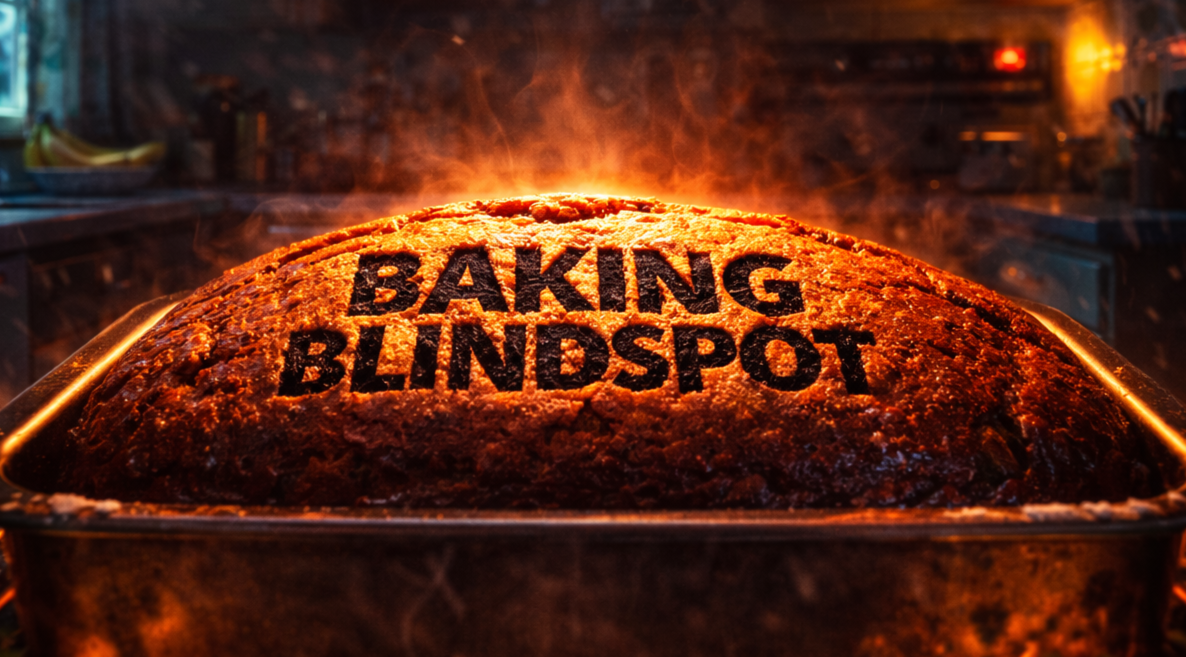
CHARLESTON, W.Va. — Today is National Banana Bread Day, a comfort-baking tradition that often follows extended periods indoors. Across Charleston and much of central West Virginia, residents are emerging from days of snow-covered roads, school delays and limited travel, with kitchens once again becoming the center of household activity.
Safety officials say that return to routine can carry an overlooked risk.

After a blizzard, most attention focuses on clearing roads, reopening offices and restoring normal schedules. Inside the home, however, refrigerators, freezers and cooking appliances may have experienced subtle disruptions during the storm.
Brief power flickers — common during heavy snow and high winds — can cause refrigerator temperatures to fluctuate without obvious warning signs. Even short interruptions, combined with repeated door openings during outages, may affect perishable foods stored before or during the storm.
Freezers that partially thaw and refreeze can create a false sense of normalcy. Food may appear unchanged despite experiencing temperature instability that increases spoilage risk.
Extended indoor time also means heavier appliance use. Ovens and stovetops often operate longer during cold snaps, and temporary extension cords used during outages may remain in place after power stabilizes. In busy kitchen spaces, those adjustments can elevate fire and electrical safety concerns.
Pets may face additional exposure as baking ingredients and leftovers become more accessible during prolonged cooking sessions.
With National Banana Bread Day prompting more time in kitchens across Charleston, officials recommend checking refrigerator and freezer temperatures, discarding questionable perishables and removing temporary power setups that are no longer necessary.
As West Virginia transitions out of storm recovery, safety experts emphasize that winter safety extends beyond clearing snow — it also includes reassessing the kitchen spaces that worked hardest during the blizzard.


