

Seattle, Washington – Washington enters the heart of winter Sunday as the Winter Solstice arrives, marking the shortest day of the year and the start of a colder, darker stretch that often brings increased risks for homes, vehicles, and travel across the Puget Sound region and much of the state.
With extended overnight darkness and temperatures hovering near freezing, residents are urged to prepare for common winter hazards, including frozen pipes, icy roadways, and vehicle trouble as December gives way to January. The combination of damp conditions and overnight cold can be especially problematic in western Washington, where freezing temperatures often arrive after prolonged rain.
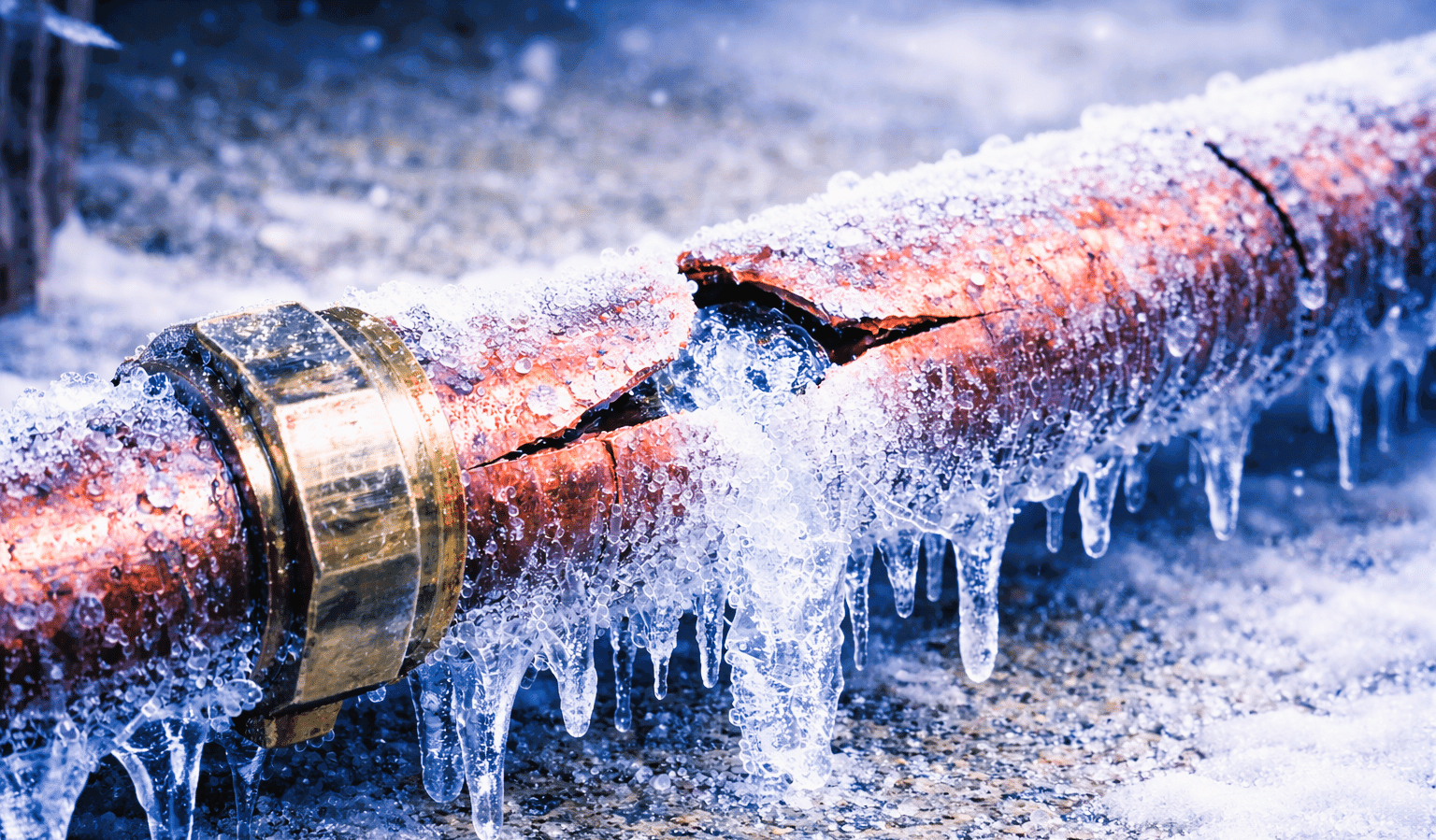
According to the National Weather Service Seattle, temperatures are expected to fluctuate near the freezing mark through the weekend and into early next week. This pattern increases the risk of frozen or bursting pipes, particularly in older homes, garages, crawl spaces, and properties with exposed plumbing.
State and local officials recommend insulating exposed pipes, keeping indoor thermostats set no lower than 55 degrees, and allowing faucets to drip slightly during colder nights. Cabinets under sinks along exterior walls should be left open to help warm air circulate. Open flames should never be used to thaw pipes; officials say space heaters or hair dryers are safer options when used carefully and attended at all times.
Drivers heading into late December and early January travel are also encouraged to prepare now. Officials advise checking vehicle batteries, tire tread, windshield washer fluid rated for freezing temperatures, and keeping emergency kits stocked with blankets, food, flashlights, and phone chargers.
While Washington winters are often milder than those in the Midwest, officials warn that cold snaps combined with moisture remain one of the region’s most persistent seasonal hazards. Additional weather advisories may be issued as January approaches and travel activity increases around the New Year.


