

Richmond, Virginia – Extreme cold can damage homes, endanger pets, and disrupt daily routines if residents are not prepared ahead of time.
According to cold-weather safety guidance commonly shared by emergency officials and utility providers, taking preventative steps before prolonged Arctic air reaches the Richmond area can reduce property damage and safety risks.

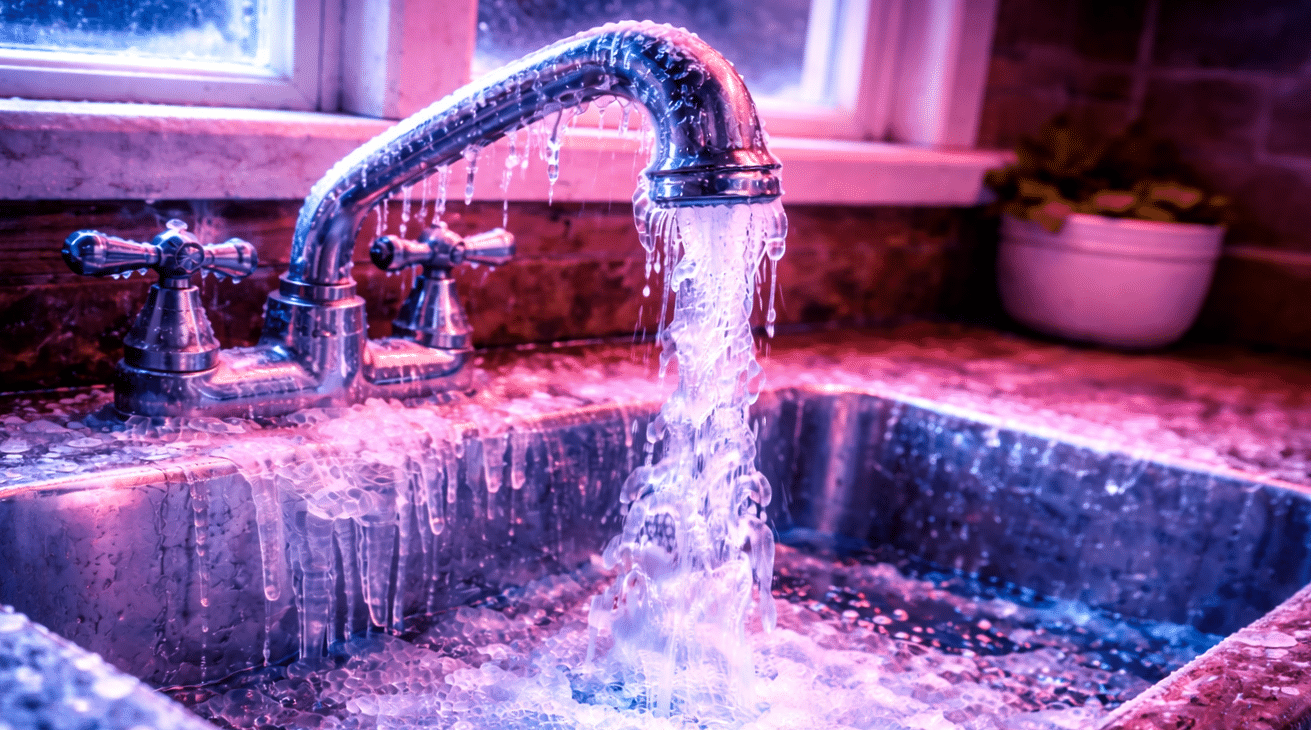
Frozen and burst pipes are among the most common winter problems in Virginia. Homeowners are encouraged to insulate exposed pipes in basements, crawl spaces, and exterior walls, disconnect outdoor hoses, and allow faucets to drip during extended periods below freezing. Keeping indoor temperatures consistent—even when away—can help prevent costly plumbing failures.
Heating systems should be checked before extreme cold settles in. Replacing furnace filters, safely testing space heaters, and ensuring carbon monoxide detectors are working can reduce fire and health risks. Space heaters should never be left unattended.
Pet safety becomes especially important during Arctic cold outbreaks. Pets should be brought indoors whenever possible. Animals kept outside need insulated shelter, unfrozen water, and extra bedding, with outdoor exposure limited during periods of extreme wind chill.
Snow and ice buildup can quickly create hazardous conditions on sidewalks, steps, and driveways. Keeping salt or ice melt on hand allows residents to treat surfaces early, reducing slip-and-fall risks during refreeze periods.
Drafty windows and doors can significantly increase heat loss. Sealing gaps, closing fireplace dampers, and using thermal curtains can help homes retain warmth and manage heating costs.
Vehicles are also vulnerable in extreme cold. Checking antifreeze levels, battery condition, and keeping emergency supplies—such as blankets, flashlights, and phone chargers—can improve safety if travel disruptions occur.
Renters, commuters, and pet owners are often among those most affected during prolonged cold spells, making early preparation especially important.


