

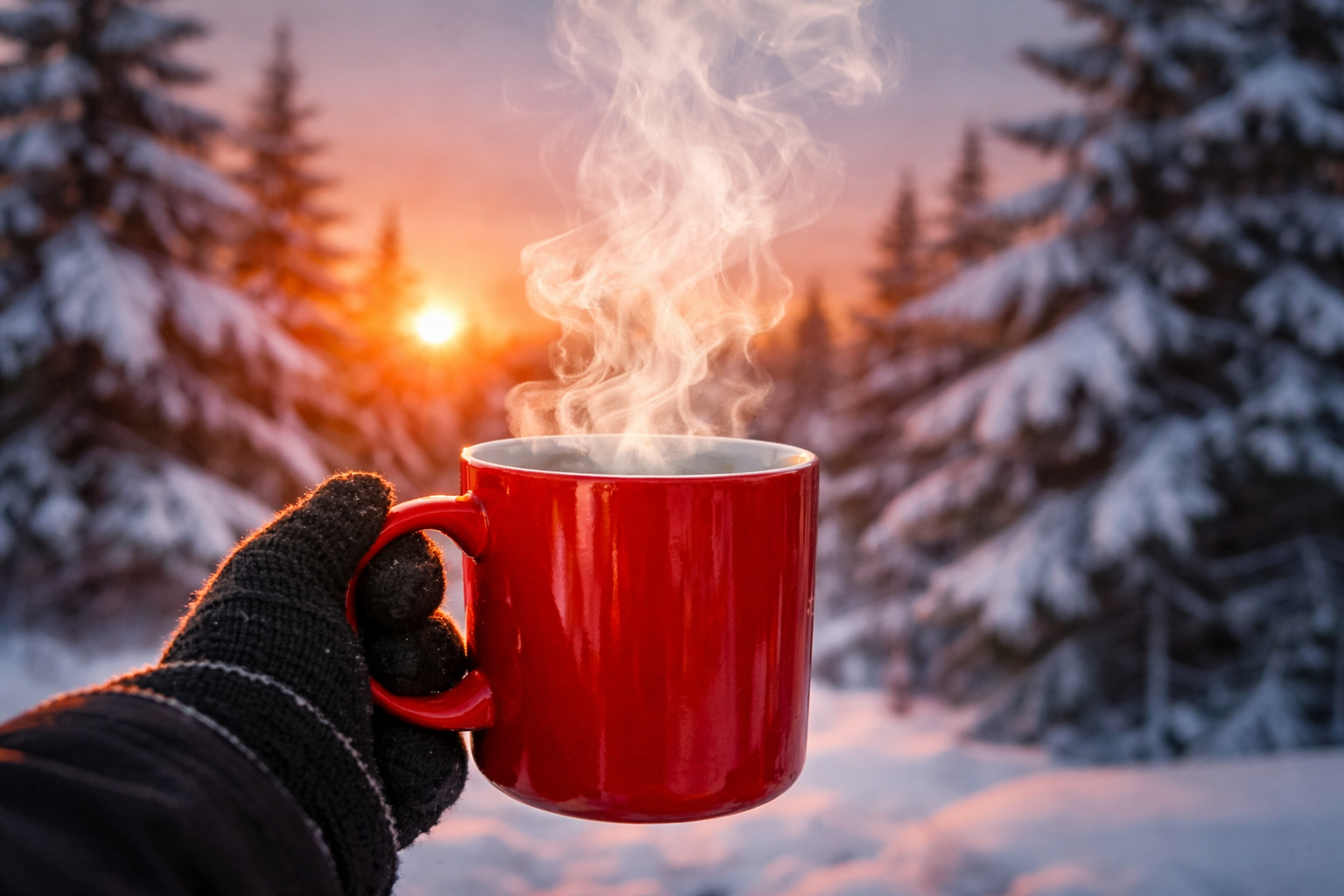
Montpelier, Vermont – As winter conditions continue across Vermont, health experts say residents should understand both the potential benefits and risks of drinking hot water during colder months.
Medical professionals note that cold weather can reduce thirst cues, increasing the risk of dehydration in winter. To stay hydrated, some Vermont residents choose warm or hot water, which may feel more comfortable to drink when temperatures drop.

According to medical guidance summarized by Healthline and other public health sources, drinking hot water at safe temperatures may help support digestion by stimulating digestive enzymes. During winter, reduced physical activity and changes in diet can slow digestion, sometimes leading to bloating or constipation.
Health experts also say warm water may help improve circulation by gently expanding blood vessels that constrict in cold conditions. Improved blood flow can reduce stiffness and discomfort, particularly for residents who commute, work outdoors, or spend extended time in cold environments.
However, doctors stress that temperature is critical. Water that is too hot can cause burns to the mouth, throat, and esophagus. Health professionals recommend drinking water between 130°F and 160°F, allowing boiled water to cool before consumption. Children and older adults may be especially vulnerable to scald injuries.
Additional effects linked to hot water include temporary relief from nasal congestion through steam inhalation and soothing sore throats during winter illness season. Some experts also note that sipping warm water may promote relaxation and help reduce stress during periods of limited daylight.
For Vermont students, commuters, and outdoor workers, maintaining proper hydration during winter is essential. Health professionals emphasize that while hot water is not a medical treatment, understanding how to consume it safely can help residents avoid injury while supporting comfort and hydration throughout the season.


