

Burlington, VT – As winter weather continues across parts of Vermont, officials are reminding residents that accurate snowfall and rainfall measurements play an important role in forecasting and public safety.
According to the National Weather Service, proper precipitation measurements help meteorologists assess storm impacts, verify radar data, and provide more accurate forecasts for communities across the region.

For snowfall, officials recommend measuring on a flat, open surface such as a snow board, deck railing, or untreated piece of wood placed away from buildings and trees. Snow should be measured straight down with a ruler, ideally every six hours during ongoing snowfall. Multiple measurements can then be averaged to determine a reliable total.
Residents are advised to avoid measuring snow on grassy areas, sloped surfaces, or locations affected by drifting. Shoveled or compacted snow should not be used, as it can lead to inaccurate readings.
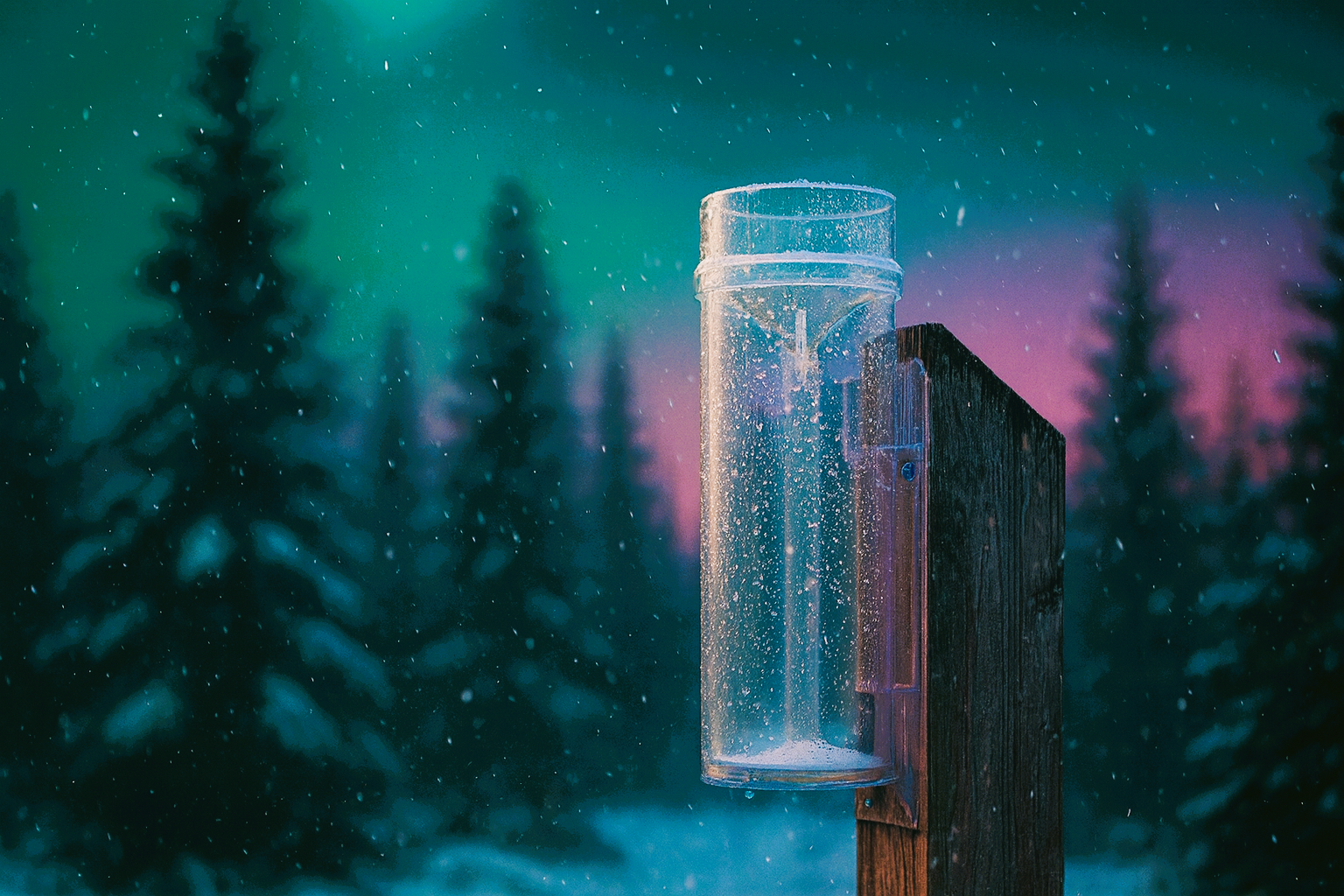
When measuring rainfall, a standard rain gauge placed in an open area provides the most accurate results. If a gauge is not available, a straight-sided container can be used, as long as measurements are taken carefully and consistently.
During freezing rain events, officials often track ice accretion — the thickness of ice buildup on exposed surfaces such as flat metal objects or small tree branches. Ice accumulation is typically reported in inches and helps forecasters assess potential impacts to travel and infrastructure.
The National Weather Service notes that public reports are especially valuable in areas where weather observation stations are widely spaced. Residents may be asked to submit snowfall, rainfall, or ice measurements through official reporting systems during active weather.
Officials emphasize that safety should always come first and measurements should only be taken when conditions allow.


