

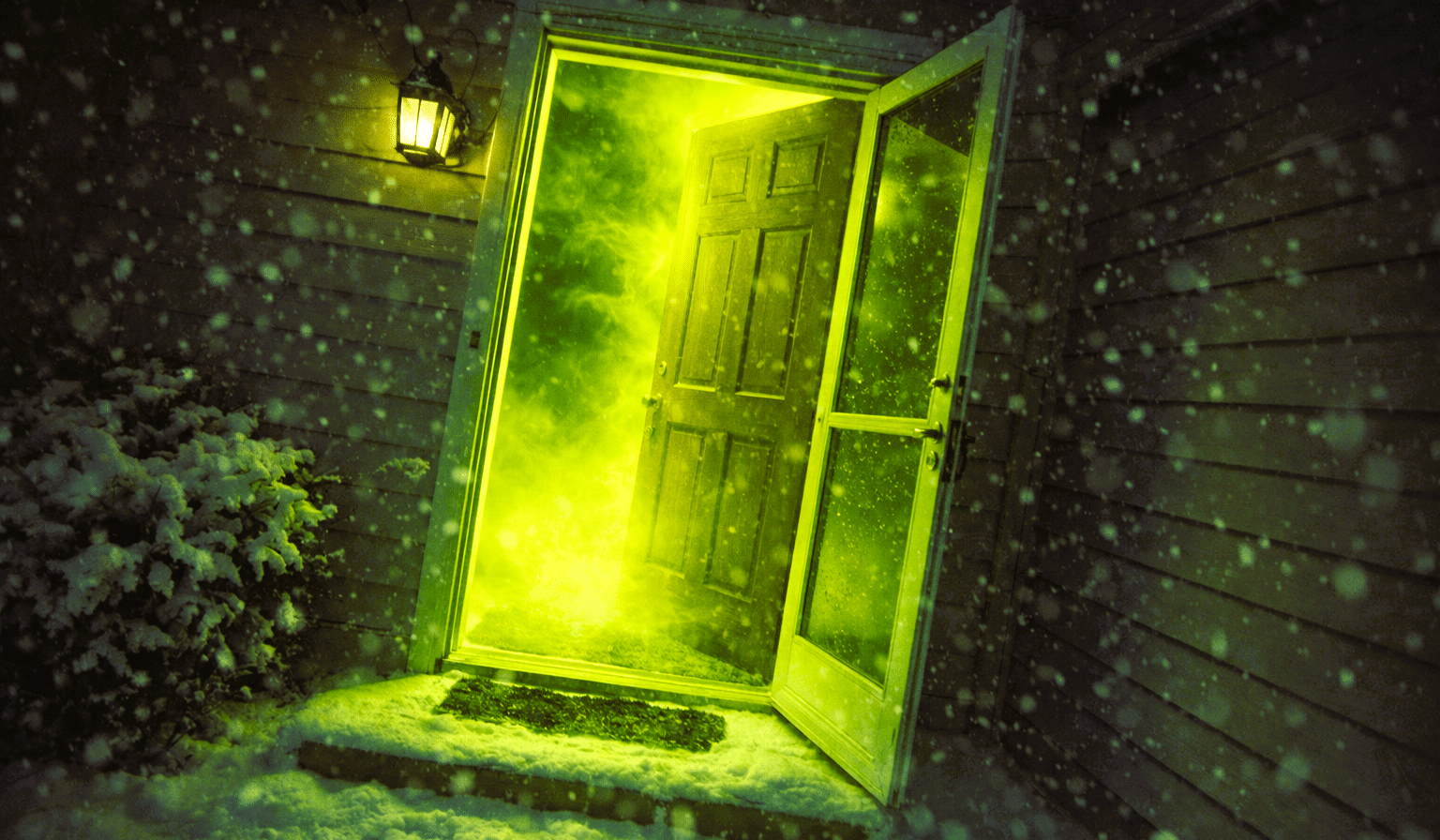
Salt Lake City, UT – As winter weather continues across Utah and homes remain tightly sealed to keep out the cold, health officials are warning residents—especially those in Salt Lake City and surrounding Wasatch Front communities—about a dangerous indoor health threat that often goes unnoticed. January marks National Radon Action Month, drawing attention to radon gas, commonly referred to as the “invisible killer” inside the home.
According to the U.S. Environmental Protection Agency (EPA), radon is a naturally occurring radioactive gas released from soil and rock. It can seep into homes through foundation cracks, basements, crawl spaces, and utility openings. Utah is considered a high radon risk state, with elevated levels frequently detected in homes across Salt Lake County, Utah County, Davis County, and other parts of the state.

Health experts say winter creates ideal conditions for radon buildup. In Salt Lake City and across Utah, homes are sealed to retain warmth, allowing radon to accumulate indoors for extended periods. Long-term exposure to radon is the second leading cause of lung cancer in the United States, responsible for an estimated 21,000 deaths each year. Smokers face the highest risk, but non-smokers are also vulnerable.
Unlike carbon monoxide, radon exposure does not cause immediate symptoms. Medical professionals warn the damage often occurs silently over many years, making home testing the only reliable way to detect elevated radon levels.
State health officials recommend that all Utah residents test their homes, particularly during winter when radon concentrations tend to be highest. Test kits are affordable and widely available, and mitigation systems can significantly reduce radon levels when elevated readings are found.
As National Radon Action Month continues, officials urge Utahns to test now to help protect their families from a serious but preventable health risk.


