

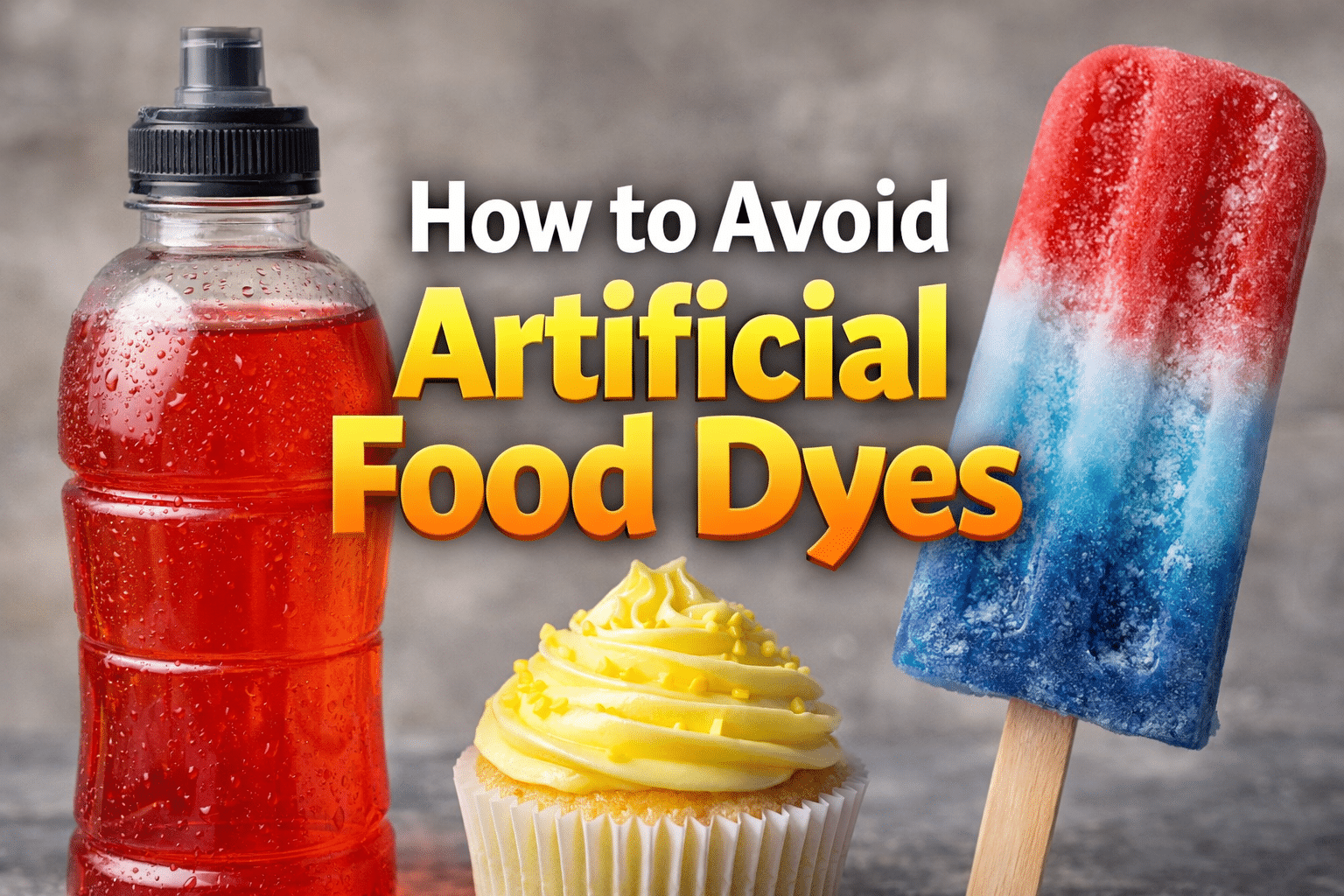
Chicago, IL – Artificial food dyes are widely used in processed foods to enhance color and visual appeal, but growing awareness of potential health concerns leads many consumers to look for ways to reduce their intake.
From brightly colored cereals to candies, beverages, and snack foods, synthetic dyes are commonly used to enhance appearance. While approved for use, ongoing studies have raised questions about how these additives may affect certain populations, particularly children.

According to the U.S. Food and Drug Administration, dyes such as Red 40, Yellow 5 and Blue 1 are permitted within established safety limits. However, a 2022 review published in Environmental Health found associations between synthetic dye exposure and behavioral effects in children, including hyperactivity and attention-related concerns. A separate 2024 review in Toxics emphasized gaps in current safety data and called for updated risk assessments using newer research methods.
Artificial dyes are most often found in highly processed foods, including candy, frosted baked goods, cake mixes, sugary cereals, sports drinks, sodas, and flavored yogurts. Brightly colored items — particularly those in red, yellow, blue, and green — are more likely to contain additives labeled as “FD&C Red No. 40” or “Yellow No. 5.”
Experts say reading ingredient labels is a critical step in reducing intake. Products marketed as “no artificial colors,” “naturally colored,” or “free from synthetic dyes” may provide alternatives, though consumers are advised to verify full ingredient lists. In contrast, European Union regulations require warning labels on certain dyes under guidance from the European Food Safety Authority, noting possible behavioral effects in children.
Health professionals also recommend shifting toward whole and minimally processed foods. Diets centered on fruits, vegetables, grains, legumes and unprocessed proteins naturally eliminate synthetic dyes while improving overall nutrition. Preparing meals at home can further reduce reliance on packaged products where additives are more common.
For those seeking colorful foods without synthetic ingredients, natural alternatives are increasingly accessible. Spinach or spirulina can provide green hues, beet juice offers red or pink tones, turmeric produces yellow coloring, and blueberries or purple cabbage can create blue and purple shades.
Consumers can also take practical steps to limit exposure, including shopping the perimeter of grocery stores where fresh foods are typically stocked, choosing brands that prioritize natural ingredients, limiting ultra-processed snacks and beverages, preparing simple meals at home, and being mindful of seasonal or holiday-themed products that often contain added dyes.
While regulators maintain current dye approvals are safe, researchers continue to call for updated evaluations. For many Americans, reducing artificial dyes represents a proactive step toward more informed, health-conscious eating habits.
Sources:
- U.S. Food and Drug Administration (FDA) – Color Additives Overview
https://www.fda.gov/food/food-additives-petitions/color-additives-questions-and-answers-consumers - European Food Safety Authority (EFSA) – Food Colours
https://www.efsa.europa.eu/en/topics/topic/food-colours - Miller, M. D. et al. (2022). Environmental Health, 21(1), 45
https://doi.org/10.1186/s12940-022-00849-9 - Amchova, P. et al. (2024). Toxics, 12(7), 466
https://doi.org/10.3390/toxics12070466


