

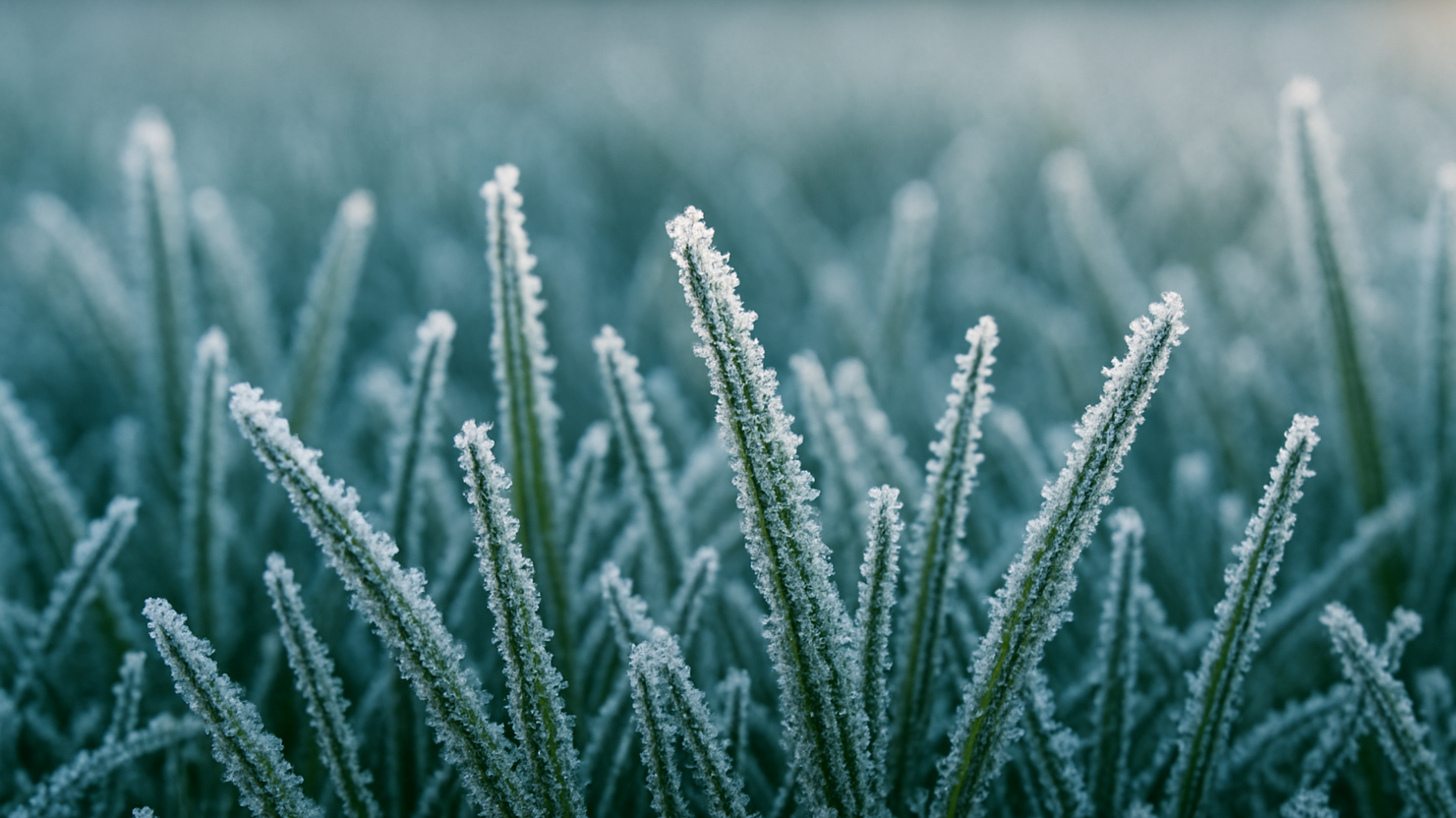
Charleston, SC – Gardeners and growers along the South Carolina and Georgia coasts should mark Sunday on their calendars as the National Weather Service officially resumes its Frost/Freeze Program for the 2026 growing season.
According to the National Weather Service in Charleston, the Frost/Freeze Program will restart March 1 for southeast South Carolina and southeast Georgia. Beginning that date, Frost Advisories, Freeze Watches and Freeze Warnings will once again be issued when temperatures are expected to threaten tender vegetation during the climatological growing season.

The program applies to coastal counties including Charleston, Berkeley and Dorchester in South Carolina, and Chatham, Bryan and Liberty counties in Georgia. Major corridors such as I-26, US-17, I-95 and I-16 fall within the coverage area. While hard freezes become less common by March along the coast, inland agricultural zones near Walterboro, Moncks Corner and west of Savannah can still experience early-morning lows in the lower 30s.
The Frost/Freeze Program operates annually and is based on long-term climate averages that define the typical last spring freeze. For coastal Georgia and South Carolina, that median date occurs in late February, prompting the March 1 restart. Once active, alerts are issued when temperatures drop to the mid-30s for frost potential or 32 degrees or colder for a freeze.
Residents should prepare to protect sensitive plants, cover early crops and monitor overnight lows through early spring. While warming trends typically dominate March, brief cold snaps remain possible.
Additional frost or freeze headlines could be issued at any point after March 1 if conditions warrant across the Lowcountry and coastal Georgia.


