

Philadelphia, Pennsylvania – Newly highlighted research is shedding light on a critical advantage behind one of World War II’s most secretive units: the Ghost Army’s deep ties to immigrant communities, which helped shape its success across Europe.
According to documentation from the Ghost Army legacy project, roughly 10 percent of the unit’s members were born outside the United States, while an additional 30 to 35 percent were first-generation Americans. Many came from families who immigrated in the early 20th century, including from Germany, Italy, France, and parts of the former Russian Empire. That cultural and linguistic diversity became a tactical asset during high-risk deception operations.

The Ghost Army, which included units like the 603rd Engineer Camouflage Battalion and the 3133rd Signal Service Company, specialized in misleading German forces through inflatable tanks, fake radio transmissions, and staged troop movements. These operations often placed soldiers close to enemy lines, where language skills and cultural familiarity could mean the difference between success and exposure.
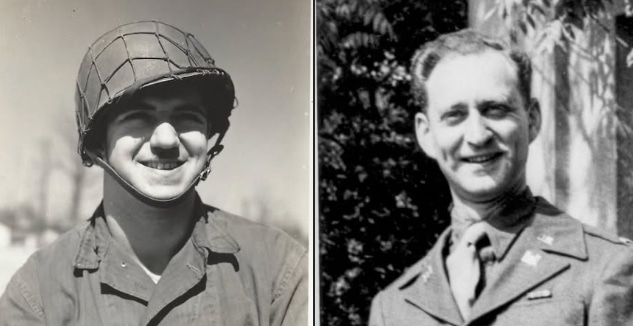
Two members now drawing attention are Helmut Isenberg and Gilbert Liss Seltzer. Isenberg, born in Germany, later lived in Liechtenstein before immigrating to the United States. Seltzer, born in Canada to Russian immigrant parents, built a career as an artist before serving. Both men were assigned to the 603rd and contributed to the unit’s deceptive battlefield strategies.
Their backgrounds reflect a broader pattern within the unit. Soldiers fluent in German, French, and Italian were able to better interpret local conditions, interact when necessary, and enhance the realism of decoy operations. This added layer of authenticity helped convince German intelligence that Allied troop movements were larger or positioned differently than they actually were.
Historians note that the Ghost Army’s success was not just about creativity, but also about the people behind the illusions. The blend of artistic talent, technical skill, and cultural knowledge created a uniquely effective force.
Efforts to preserve and share these stories continue, as historians work to ensure the contributions of these soldiers—and the diverse backgrounds that strengthened their mission—remain recognized for generations.


