

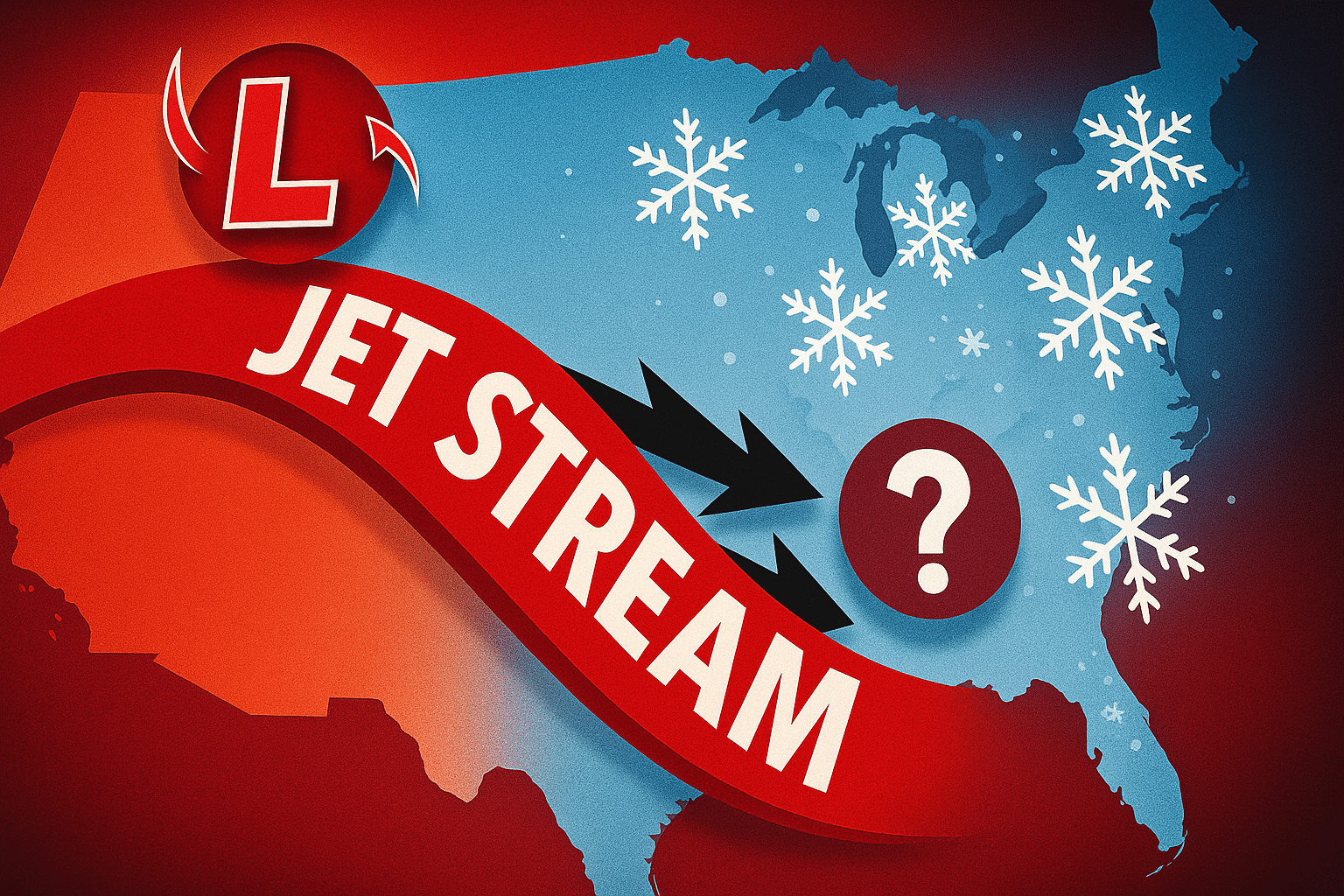
Harrisburg, Pennsylvania – A significant push of Arctic air is expected to settle over Pennsylvania between Jan. 18 and Jan. 22, bringing a strong likelihood of colder-than-normal temperatures as a clipper system reinforces a broader pattern shift across the eastern United States.
According to the Climate Prediction Center’s 6–10 day temperature outlook, much of Pennsylvania has a 70% probability of below-normal temperatures during this period. The colder regime follows the end of a recent mild stretch, as atmospheric ridging across the western U.S. and Alaska allows a deep trough of Arctic air to dominate the East.

Daytime high temperatures are expected to run several degrees below mid-January averages, with overnight lows dropping sharply across both western and central Pennsylvania. The coldest conditions are most likely across northern and interior portions of the state, where increasing winds behind the passing clipper system could briefly drive wind chills toward subzero levels, especially overnight and during early morning hours.
Despite the colder air, widespread snow is not currently expected during the Jan. 18–22 window. Forecast guidance indicates precipitation chances remaining near normal for this time of year, reflecting the limited moisture typically associated with Arctic air masses. Any snowfall during this period would likely be light and tied to fast-moving systems or localized terrain effects.
Looking beyond the immediate cold stretch, forecast signals indicate a 20% to 40% risk of heavy snow developing sometime during the Jan. 20–26 timeframe for parts of Pennsylvania, particularly across western and northern sections of the state. This potential extends into portions of Ohio, the Appalachians, northern Indiana, northern Ohio, and Michigan. While confidence remains limited, the colder pattern could support more impactful snowfall if storm systems track favorably.
For Pennsylvania commuters, students, and outdoor workers, the primary concern through Jan. 22 will be prolonged cold exposure rather than significant snowfall. Additional updates are expected as confidence increases.


