

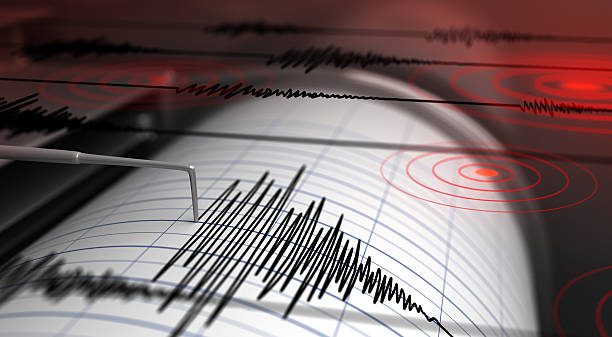
Philadelphia, Pennsylvania – A rare East Coast earthquake early Tuesday is prompting renewed preparedness messaging across Pennsylvania and New Jersey, states where seismic activity remains infrequent but not unfamiliar. The magnitude 2.6 quake, centered near Madison, Ohio, occurred overnight and was detected across parts of the Great Lakes, serving as a reminder that earthquakes can affect wide portions of the eastern United States.
According to the U.S. Geological Survey, the quake struck at a shallow depth, which can allow even small earthquakes to be noticed over a broader area. While no damage or injuries were reported, emergency managers say events like this often surprise residents in the Mid-Atlantic, where flooding, winter storms, and severe weather are more common concerns.
Pennsylvania experiences more earthquakes than many realize, particularly in western and central portions of the state. In eastern Pennsylvania and New Jersey, communities such as Philadelphia, Allentown, Trenton, Newark, and Camden are home to dense populations and older infrastructure that could be more vulnerable during stronger shaking. Officials encourage residents to secure tall furniture, brace shelves, and identify safe places indoors.
The Pennsylvania Emergency Management Agency and New Jersey Office of Emergency Management continue to promote basic earthquake safety practices, including “Drop, Cover, and Hold On” during shaking and staying away from windows, chimneys, and heavy fixtures. Residents are also urged to maintain emergency kits with water, food, flashlights, batteries, medications, and backup power options.
Scientists emphasize that the early Tuesday quake does not signal an increased earthquake threat for Pennsylvania or New Jersey. Still, preparedness officials say rare tremors offer a valuable reminder that readiness planning should extend beyond the most common hazards.
Additional preparedness reminders may follow as agencies use the early Tuesday quake as a regional awareness moment moving deeper into 2026.


