

Seattle, Washington – For anyone traveling across the Pacific Northwest in 2026, January represents one of the most demanding periods for winter driving preparation as snow, heavy rain, and refreezing create rapidly changing road hazards across Washington and Oregon.
Transportation and safety officials across the region note that winter travel risks in the Pacific Northwest are often driven by elevation changes. Roads that are wet at lower elevations can quickly turn icy or snow-covered in mountain passes, creating hazardous conditions within short distances.

Officials emphasize that cars, trucks, and SUVs are all vulnerable to losing traction. While four-wheel drive and all-wheel drive can help vehicles move forward, they do not improve braking or prevent sliding on compact snow, ice, or refrozen pavement.
Throughout January, Pacific Northwest weather patterns frequently include rain transitioning to snow at higher elevations, followed by overnight refreezing. These conditions commonly affect major corridors such as Interstate 5, Interstate 84, Interstate 90 through Snoqualmie Pass, U.S. Highway 2 through Stevens Pass, and U.S. Highway 26 over Mount Hood, as well as bridges, ramps, and shaded roadways.
January is considered a critical time for drivers to reassess vehicle readiness before traveling through varying terrain. Officials recommend checking tire tread depth and pressure, testing brakes, replacing worn wiper blades, and ensuring headlights and taillights are fully operational. Windshield washer fluid rated for freezing temperatures is also advised.
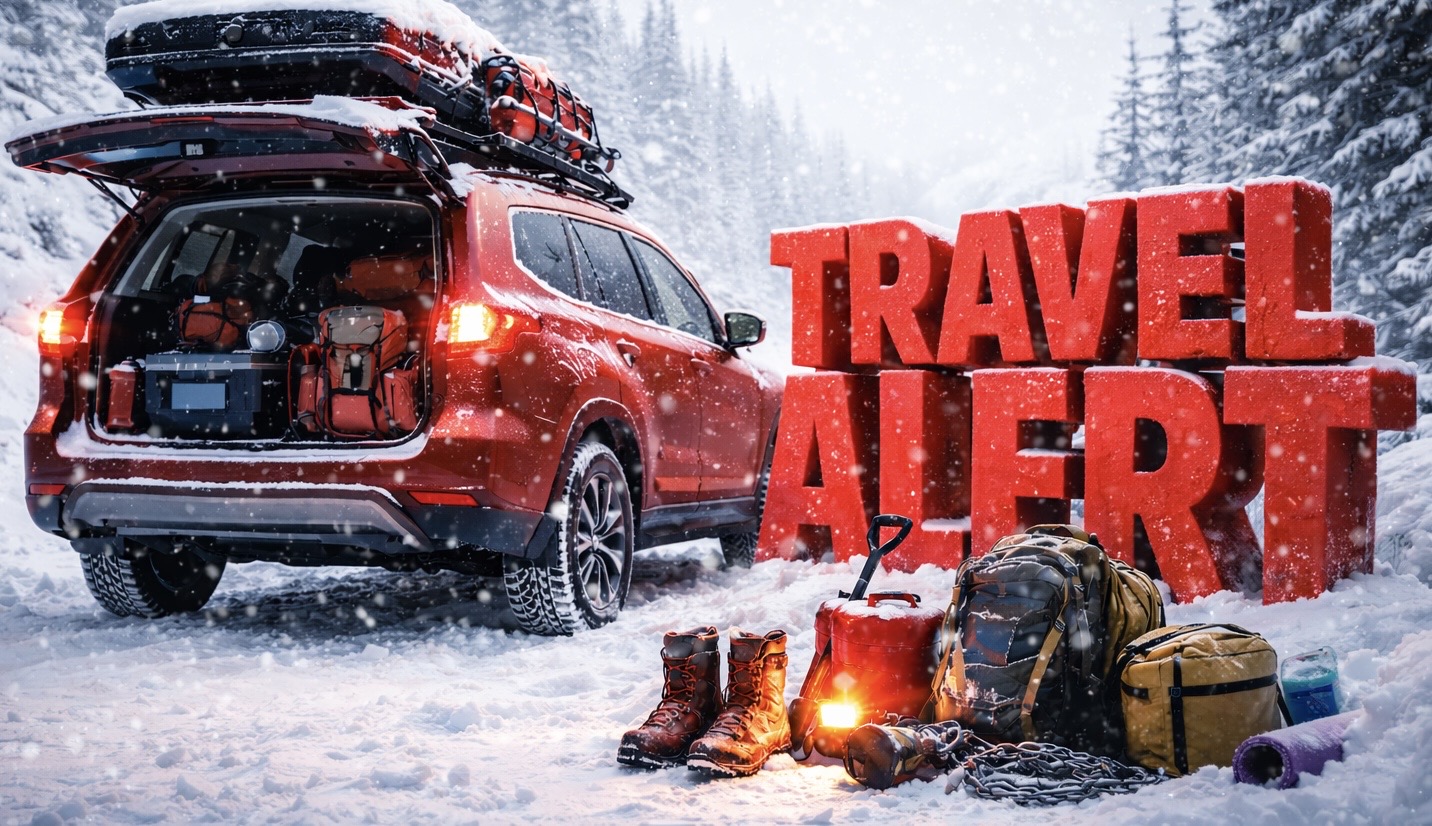
Emergency preparedness is especially important in the Pacific Northwest, where mountain pass closures and delays can strand motorists for extended periods. Winter kits should include warm clothing, blankets, food, water, a flashlight, a phone charger, and traction devices when required. Drivers are encouraged to keep fuel tanks at least half full.
Planning ahead remains one of the most effective winter safety measures. Sharing travel plans with family or friends, allowing extra travel time, and checking pass and roadway conditions before departure can reduce risk. Real-time updates are available through state transportation agencies, with official forecasts posted at weather.gov.
Officials stress that winter travel safety in January depends less on vehicle type and more on preparation, patience, and decision-making — particularly in regions where conditions can change rapidly with elevation.


