

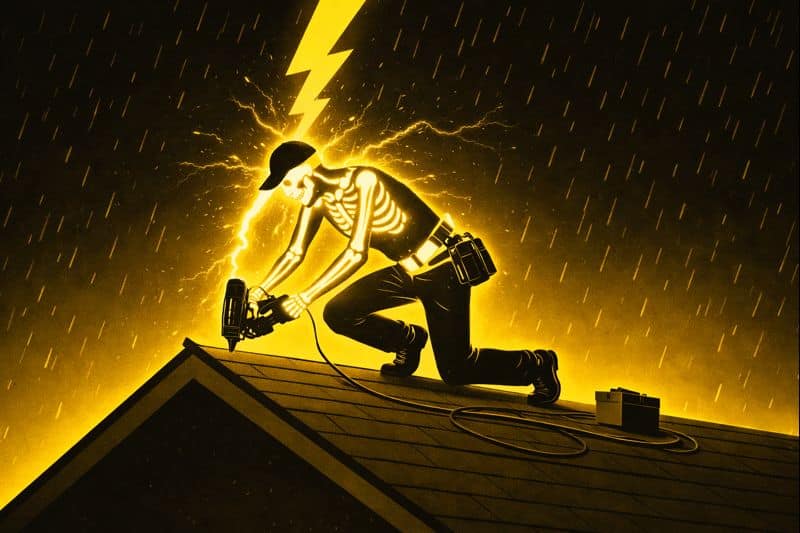
Seattle, Washington – The Pacific Northwest is using the quieter winter months to reinforce lightning safety awareness after 21 people across the United States were killed by lightning in 2025, the highest annual total since 2019.
According to the National Weather Service and the National Lightning Safety Council, most lightning fatalities last year occurred during outdoor activities such as hiking, construction, farming, and recreation near water. While the Pacific Northwest did not record a lightning-related death in 2025, emergency managers say the region still faces real risk once thunderstorm season returns.

Lightning danger in the Pacific Northwest typically increases from late spring through summer, especially east of the Cascades where thunderstorms are more common and can develop rapidly. Central and eastern Washington and Oregon, along with parts of Idaho, frequently see storms capable of producing dangerous cloud-to-ground lightning, sometimes accompanied by dry conditions that heighten wildfire risk.
State and local officials say winter is the ideal time to build safer habits ahead of 2026. If thunder is heard anywhere in the region, residents should move indoors immediately to a substantial building or enclosed vehicle. Open fields, ridge lines, isolated trees, metal equipment, and bodies of water significantly increase the risk of being struck.
Emergency management leaders emphasize that early decisions save lives. Lightning safety outreach is expected to increase across the Pacific Northwest as warmer weather approaches, with the goal of keeping the region prepared, informed, and off the national fatality list when thunderstorms return.


