

San Francisco, California – For anyone traveling along the Pacific Coast in 2026, January represents one of the most critical periods for winter driving preparation as heavy rain, strong winds, flooding, and inland refreezing create widespread travel hazards across coastal California and into western Nevada.
Transportation and safety officials note that winter travel risks along the Pacific Coast differ from interior regions. Persistent rain, saturated roadways, fallen debris, and reduced visibility are leading causes of crashes, particularly during prolonged January storm cycles.

Officials emphasize that cars, trucks, and SUVs are all vulnerable to losing traction. Standing water, hydroplaning, and slick pavement can quickly overwhelm even experienced drivers, while all-wheel and four-wheel drive do not improve braking on wet or flooded roads.
Throughout January, Pacific Coast weather patterns often bring repeated rain events followed by brief clearing periods. Inland valleys and higher elevations can experience overnight refreezing, creating icy patches on roadways that appeared wet just hours earlier.
These conditions frequently impact major coastal corridors such as U.S. Highway 101, Interstate 5 through inland valleys, Interstate 80 west of the Sierra foothills, Interstate 580, and State Route 1, as well as urban arterials, coastal highways, and canyon roads prone to runoff and debris.
January is considered a critical time for drivers to reassess vehicle readiness. Officials recommend checking tire tread depth to reduce hydroplaning risk, testing brakes, replacing worn wiper blades, and ensuring headlights and taillights are fully operational. Windshield washer fluid rated for winter conditions is also advised.
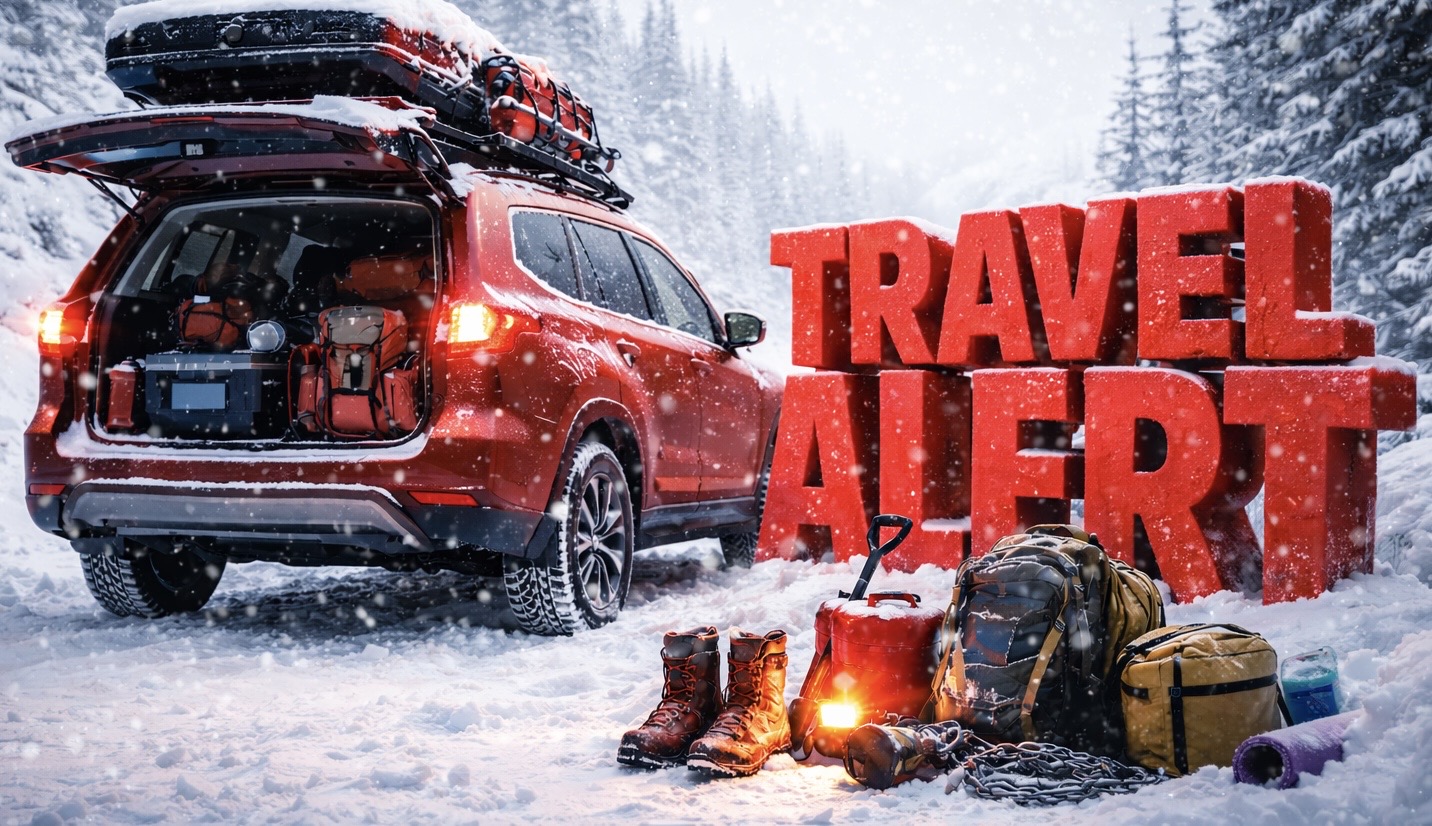
Emergency preparedness remains important along the Pacific Coast, where flooding, downed trees, and road closures can cause sudden delays. Winter kits should include warm clothing, food, water, a flashlight, a phone charger, and basic emergency supplies. Drivers are encouraged to keep fuel tanks at least half full.
Planning ahead remains one of the most effective winter safety measures. Allowing extra travel time, avoiding flooded roadways, and checking conditions before departure can reduce risk. Real-time updates are available through Caltrans, the Nevada Department of Transportation, and weather.gov.
Officials stress that winter travel safety in January depends less on vehicle type and more on preparation, patience, and adapting to rapidly changing coastal conditions.


