

Portland, OR – As January continues and winter conditions persist across Oregon, fire officials are reminding homeowners that winter fire risks remain elevated statewide, from coastal communities to inland valleys and higher-elevation regions.
According to fire officials, mid-winter is one of the most dangerous periods for residential fires as heating systems, space heaters, and electrical devices operate daily. Homes across Portland, Eugene, and Salem often rely on supplemental heating during prolonged cold and wet periods, increasing strain on equipment and raising the likelihood of accidental fires.

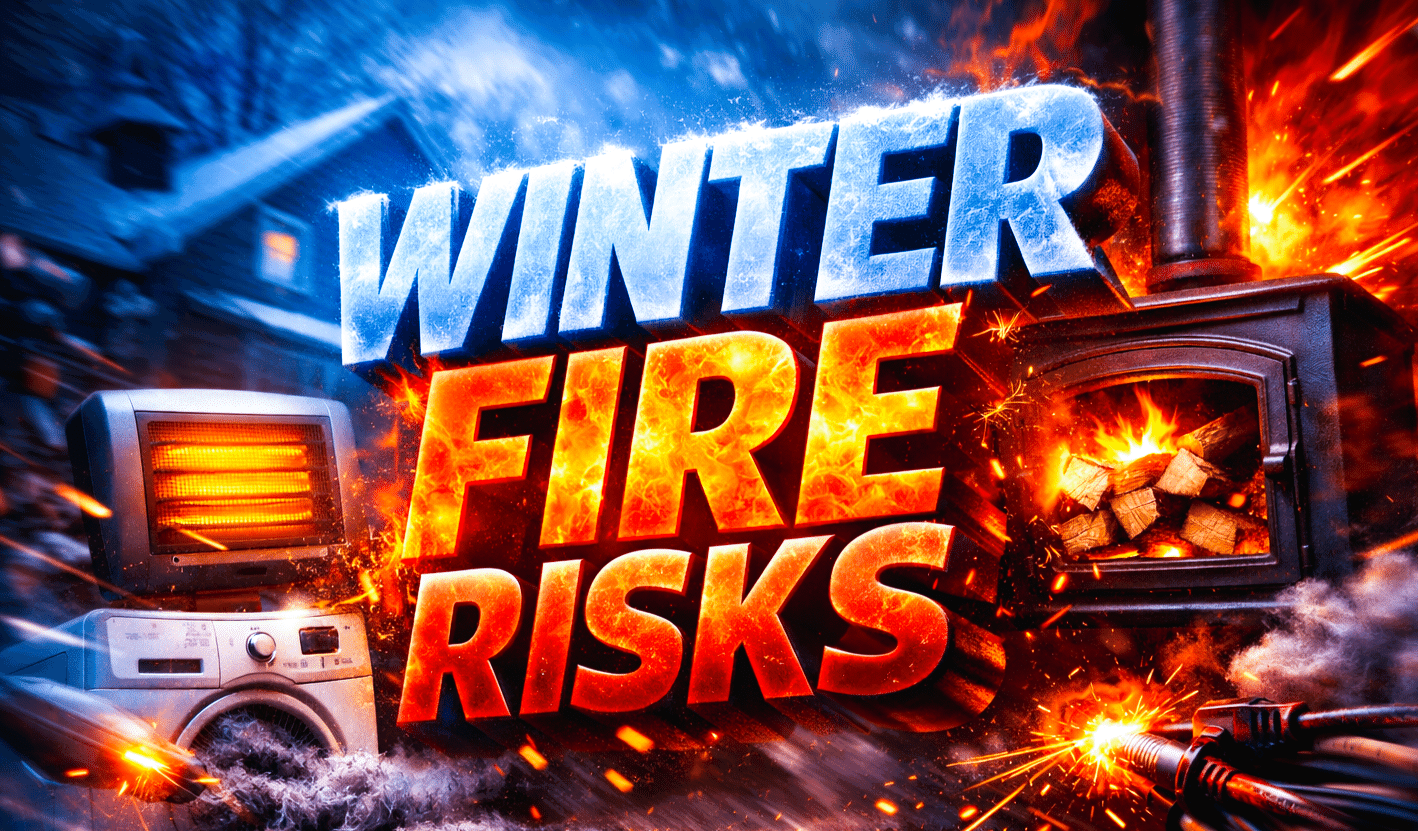
Fire officials say space heaters continue to be a leading cause of winter house fires statewide. Fires frequently start when heaters are placed too close to furniture, bedding, or curtains. Officials recommend keeping heaters at least three feet away from combustible materials and never leaving them running unattended or while sleeping.
Clothes dryers are another commonly overlooked winter fire hazard. Fire officials warn that lint buildup in dryer filters and exhaust vents can ignite, especially as heavier winter clothing and blankets are dried more frequently. In Oregon’s wetter climate, moisture and debris can also clog exterior vents, trapping heat inside the system.
Fireplaces and wood stoves pose additional risks, particularly in colder inland and mountain communities. Fire officials note that creosote buildup inside chimneys can accumulate rapidly with repeated use, increasing the risk of chimney fires if systems are not properly cleaned or inspected.
Electrical cords and power strips also contribute to winter fire dangers. Fire officials caution against overloaded outlets, damaged cords, and improper extension cord use, especially as more heating devices are plugged in during colder months.
Fire departments across Oregon urge residents to test smoke alarms monthly, ensure carbon monoxide detectors are working, and review household fire escape plans, noting that winter fire risk often remains elevated through late winter and early spring.


