

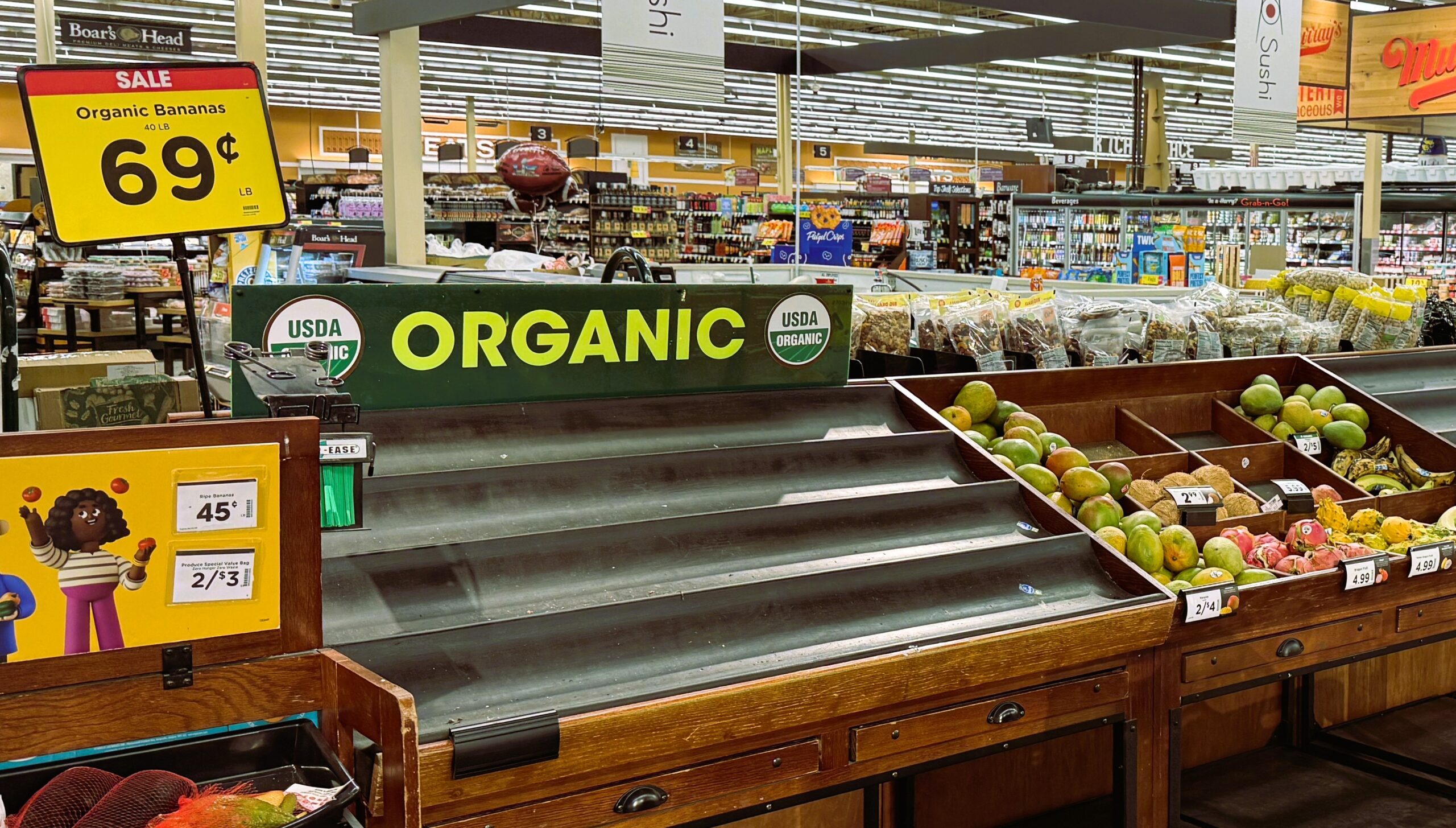
Columbus, Ohio – Banana shortages are being reported across parts of the Ohio Valley this February, with shoppers noticing higher prices and occasional empty shelves at grocery stores.
According to regional produce distributors, banana shipments into Ohio, Kentucky, Indiana, West Virginia, and western Pennsylvania have become less consistent since late January. Retailers near major shopping corridors along Interstates 70, 71, and 75 report faster sellouts, particularly at high-volume stores serving commuters and families.

Industry officials say the tightening supply is tied to global production and transportation challenges. Tropical Race 4, a fungal disease that affects Cavendish bananas, continues to reduce yields in key exporting countries across Central and South America. The disease has forced some growers to scale back production, limiting export volumes. Lingering shipping delays from labor disruptions and port congestion in late 2024 have further slowed deliveries into Midwest and Ohio Valley distribution centers.
Pricing data shows bananas across parts of the Ohio Valley now averaging between 65 and 75 cents per pound, an increase of roughly 10 to 18 percent compared with February last year. Some grocery chains have reduced multi-pound promotions, while others are rotating alternative fruits into weekly ads to manage fluctuating supply.
Consumers say the impact is becoming more noticeable during routine shopping trips. Shoppers near Interstate interchanges and suburban retail hubs report shelves thinning later in the day, especially before weekends. Food service operators, including school cafeterias, hospital kitchens, and smoothie shops near college campuses, say they are adjusting menus or sourcing strategies to control costs.
Agricultural experts note that longer-term solutions, such as developing disease-resistant banana varieties and diversifying sourcing regions, are underway but unlikely to stabilize supply in the short term. Distributors expect uneven availability to continue through late winter.
The situation is particularly relevant for students, young workers, and commuters who rely on affordable produce options at neighborhood grocery stores throughout the Ohio Valley.


