

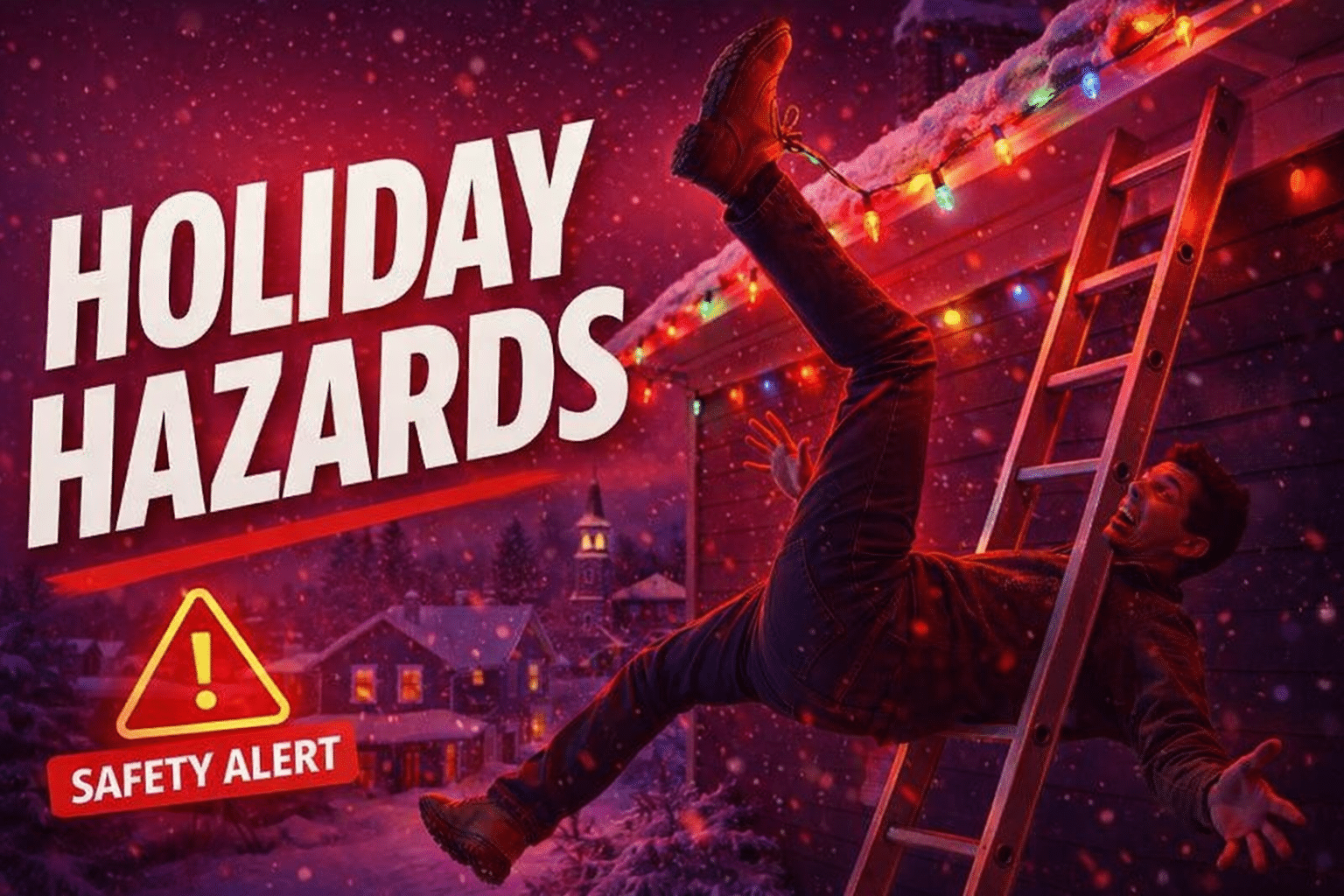
Sacramento, CA – As winter storms, heavy rain, and holiday travel increase across Northern California this week, safety officials are urging residents in the Sacramento area to take extra precautions against common winter accidents that historically spike during the holiday season.
According to California emergency management officials, fire departments, and law enforcement agencies, saturated ground, roadway flooding, nearby mountain snow, and increased use of home heating and backup power sources contribute to elevated risks across the Sacramento Valley and surrounding foothill communities.
Slick Roads and Heavy Rain Driving Risks
Officials warn that wet pavement, standing water, and reduced visibility significantly increase crash risks during winter rain events. Major corridors including I-5, I-80, U.S. 50, Highway 99, and Capital City Freeway often see collisions during peak holiday travel. Drivers are urged to slow down, increase following distance, and watch for hydroplaning, especially during evening commutes.
Flooding and Levee-Adjacent Hazards
Heavy rainfall can cause localized flooding along creeks, rivers, and low-lying roadways throughout the Sacramento region. Officials urge residents to avoid driving through flooded streets and to remain alert near levees, underpasses, and drainage channels where water can rise quickly.
Sierra Foothills and Mountain Travel Dangers
Holiday travelers heading east toward the Sierra Nevada face additional risks from snow-covered highways and chain controls. Routes including I-80 over Donner Pass, U.S. 50 over Echo Summit, and Highway 49 can become hazardous quickly during winter storms. Drivers are advised to carry chains, monitor Caltrans updates, and delay travel when conditions deteriorate.
Power Outages and Home Heating Risks
Strong winds and saturated soil increase the risk of downed trees and power outages across Northern California. Fire officials warn that improper generator and space heater use can lead to fires and carbon monoxide exposure. Generators should never be operated indoors or in garages, and carbon monoxide detectors should be working properly throughout the home.
Safety officials say preparation, cautious driving, and safe heating practices are essential to reducing winter-related injuries and emergencies during Northern California’s busy holiday season.


