

Reno, Nevada – Nevada enters the heart of winter Sunday as the Winter Solstice arrives, marking the shortest day of the year and the beginning of the state’s coldest stretch—a key moment for homeowners and drivers preparing for late December and early January conditions, particularly in Northern Nevada and higher elevations.
With extended overnight darkness and frequent freeze-thaw cycles, risks to pipes, vehicles, and daily commutes increase across northern valleys, high desert communities, and areas near the Sierra Nevada. While daytime temperatures may climb above freezing, rapid drops after sunset can stress plumbing systems and quickly create icy conditions on roadways.
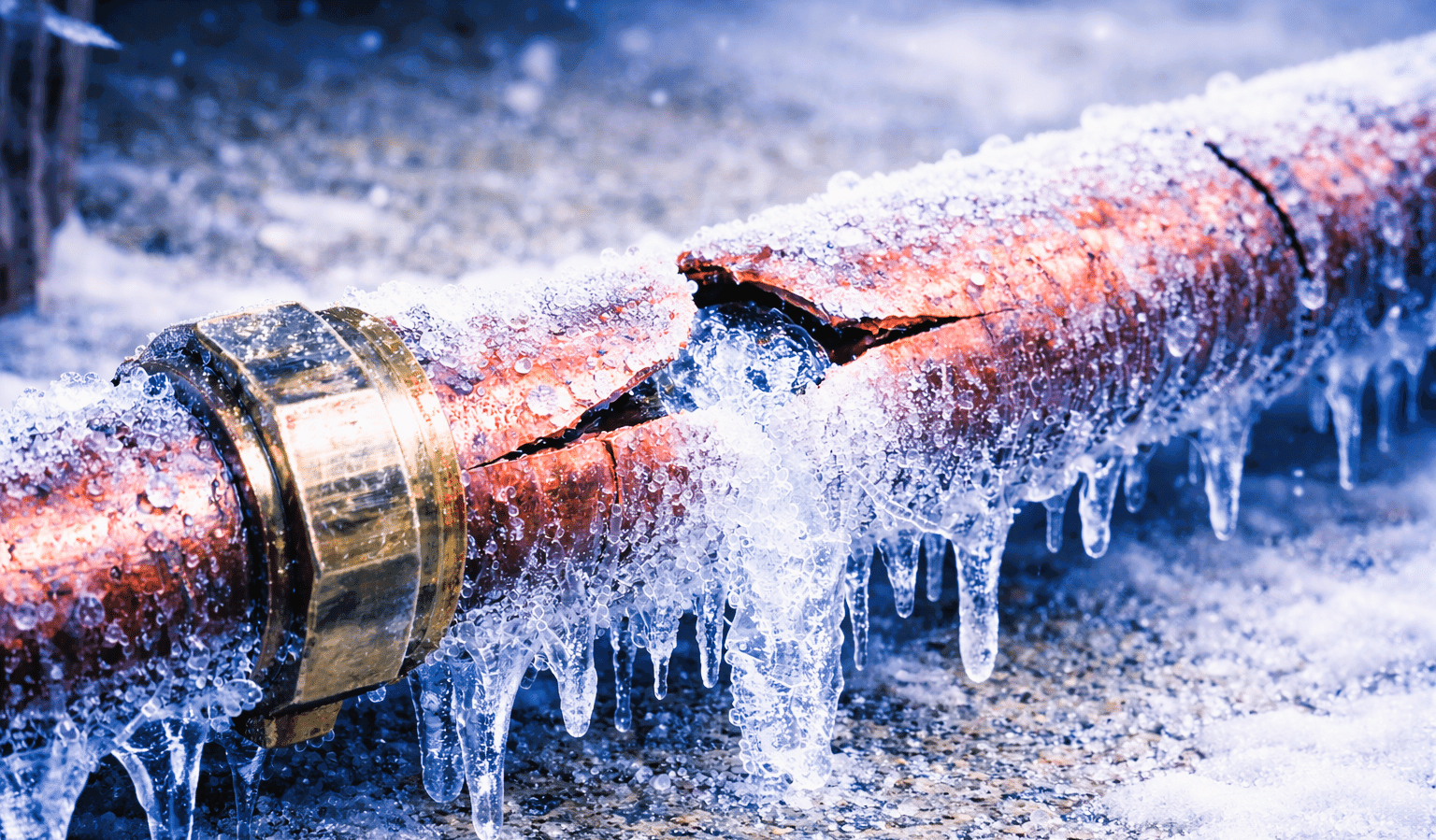
According to the National Weather Service Reno, overnight lows are expected to dip to near or below freezing through the weekend and into early next week, especially in northern and rural parts of the state. This temperature pattern increases the likelihood of frozen or burst pipes, particularly in older homes, cabins, garages, and properties with exposed plumbing.
State and local officials recommend insulating exposed pipes in basements, crawl spaces, garages, and exterior walls, keeping thermostats set no lower than 55 degrees, and allowing faucets to drip slightly during the coldest nights. Cabinets under sinks along exterior walls should be left open to help warm air circulate. Open flames should never be used to thaw frozen pipes; officials advise using space heaters or hair dryers cautiously and never leaving them unattended.
Drivers planning holiday or early January travel—especially along mountain passes, rural highways, or northern routes—are urged to prepare vehicles now. Officials recommend checking battery strength, tire tread, antifreeze levels, and windshield washer fluid rated for freezing temperatures, as well as carrying emergency kits with blankets, food, water, and phone chargers.
Cold weather remains Nevada’s most persistent winter hazard through January, particularly in high desert and mountain-adjacent regions where overnight refreezing is common. Officials note that additional weather advisories and travel alerts may be issued as New Year’s travel increases and winter storms move through the region.


