

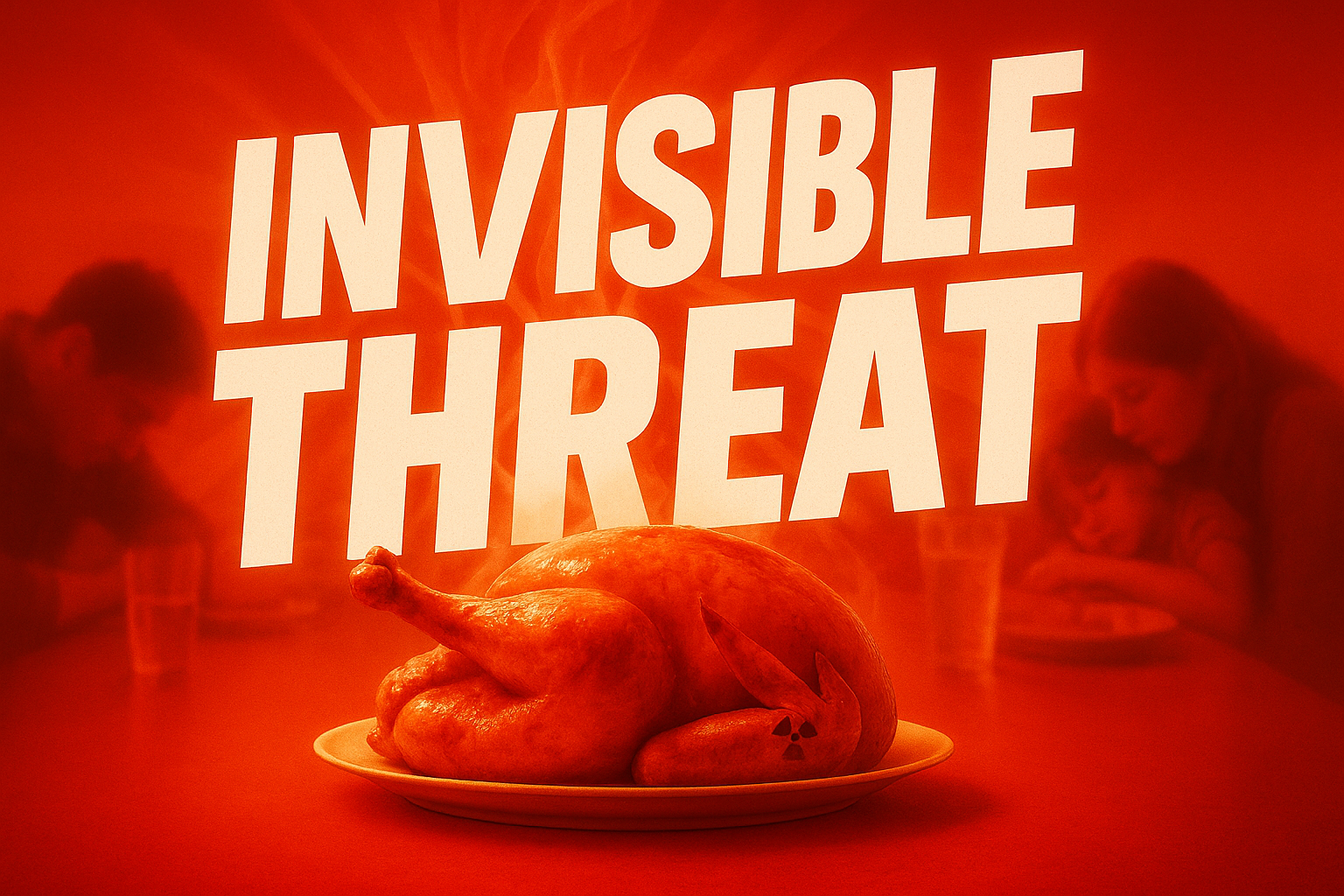
Minneapolis, MN – As Minnesotans gather indoors to celebrate Thanksgiving, health officials are issuing an urgent warning about a silent, invisible killer that could be circulating in homes this holiday season. The Centers for Disease Control and Prevention (CDC) and the Minnesota Department of Health (MDH) say radon, a naturally occurring radioactive gas, poses a significant health risk during winter months when homes are sealed from the cold.
Radon forms as uranium in rock and soil breaks down, releasing gas that seeps into homes through cracks in basements, sump pits, and foundation gaps. Because it has no smell, taste, or color, families can live with high radon levels for years without knowing.

According to the U.S. Environmental Protection Agency (EPA), radon is the second-leading cause of lung cancer in the United States, causing an estimated 21,000 deaths each year. Minnesota is among the highest-risk states in the country — nearly 2 in 5 homes test above the EPA’s danger level of 4 picocuries per liter (pCi/L).
Testing is the only way to know if your home is affected. Short-term test kits, available online, at hardware stores, or through the Minnesota Department of Health, can measure radon levels in just a few days. The MDH recommends every home be tested, even new construction with radon-resistant features.
If levels are elevated, licensed mitigation contractors can install venting systems that draw gas from beneath the home and release it safely outdoors — reducing exposure by up to 90%. Sealing cracks and increasing airflow can also help temporarily.
“Radon is invisible, odorless, and deadly — but preventable,” said CDC officials. “Testing this Thanksgiving could protect your family long after the holiday is over.”
As winter tightens its grip across Minneapolis, St. Paul, and Duluth, health experts urge residents to add radon testing to their home safety checklist before this silent killer lingers through the cold season.


