

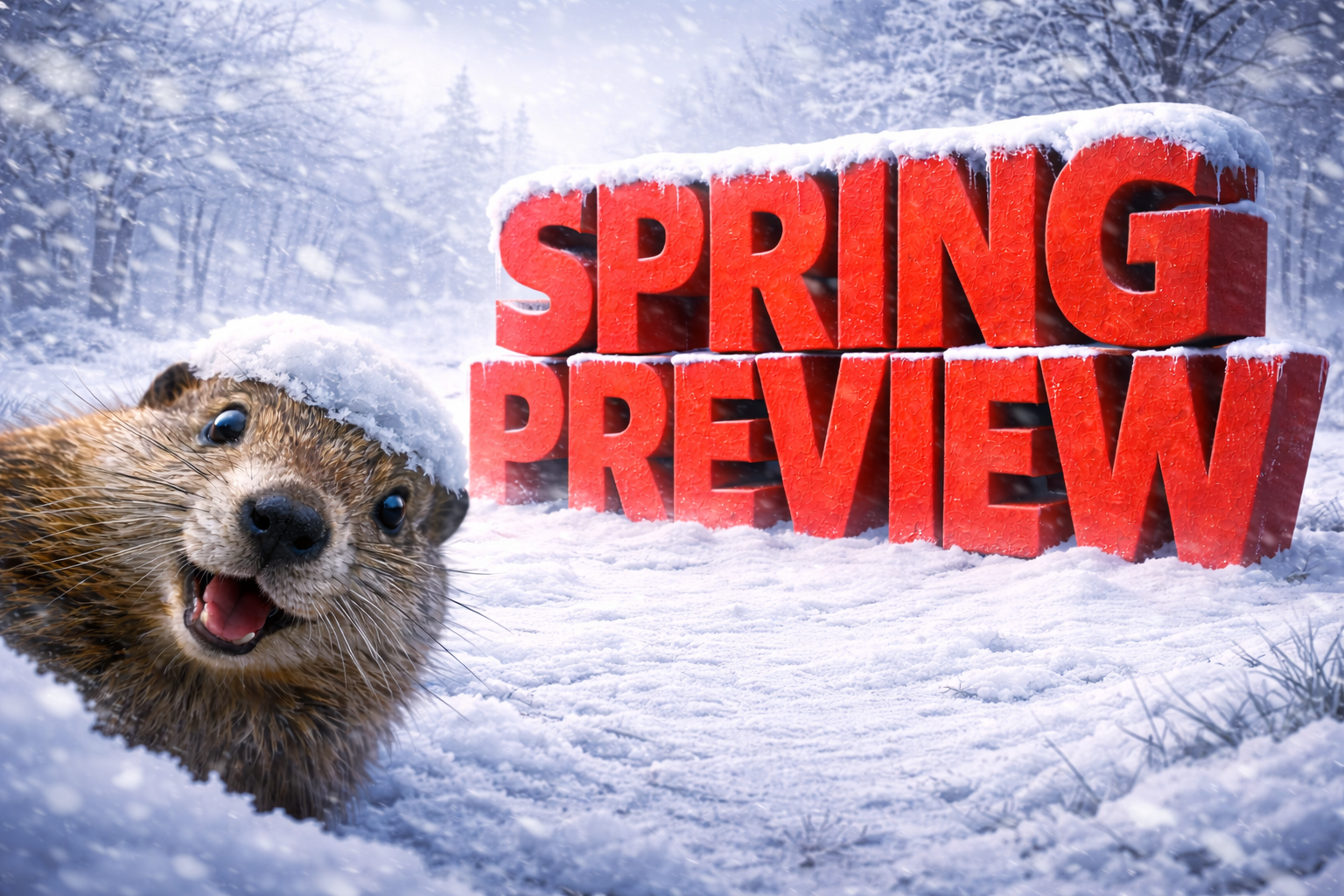
Chicago, Illinois – Winter may not be finished shaping conditions across the Midwest, as Groundhog Day tradition and long-range climate signals both point to a delayed transition into spring. Punxsutawney Phil saw his shadow Monday morning, a familiar sign that suggests six more weeks of winter and pushes expectations for a region-wide warm-up closer to mid-March.
According to the National Weather Service, much of the Midwest falls into an “equal chances” category for temperatures from February through April. That outlook keeps the threat of late-season cold snaps, snow events, and sharp temperature swings firmly in place. The Upper Midwest, including Minnesota and Wisconsin, remains especially vulnerable to prolonged winter conditions, while Illinois, Indiana, Michigan, and Ohio could see frequent back-and-forth shifts between snow, rain, and brief thaws through March.

Precipitation is expected to be a major driver of impacts. According to NOAA’s Climate Prediction Center, large portions of the Midwest are favored for above-normal precipitation through early spring. That raises the likelihood of heavier snowfall during colder periods and rain during warmer breaks, increasing concerns for slick travel along major corridors such as I-90, I-94, I-80, and I-70. River rises are also possible along the Mississippi, Illinois, Ohio, and Wisconsin rivers as snowmelt combines with repeated rain events.
The Farmers’ Almanac notes that spring officially begins Friday, March 20, and highlights a total lunar eclipse beginning early Tuesday, March 3, visible across the eastern and central U.S. Even with those seasonal milestones approaching, winter weather impacts may persist beyond them. Residents across the Midwest are encouraged to remain weather-aware, allow extra travel time during unsettled periods, and prepare for winter advisories to remain possible well into early spring.


