

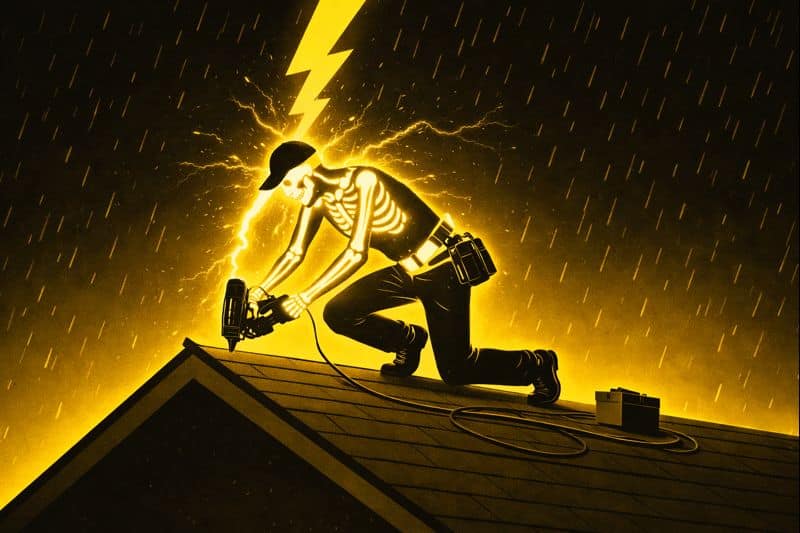
Washington, D.C. – The Mid-Atlantic is using the winter months to sharpen lightning safety messaging after two people in the region were killed by lightning in 2025, part of a nationwide total of 21 fatalities, the highest annual count since 2019.
According to the National Weather Service and the National Lightning Safety Council, lightning deaths last year were overwhelmingly tied to outdoor activities, including boating, yard work, construction, sports, and recreation near water. The Mid-Atlantic fatalities occurred during warm-season storms, reinforcing how quickly conditions can turn dangerous even outside the Southeast and Plains.

The Mid-Atlantic’s geography adds complexity to lightning risk. Thunderstorms frequently develop along cold fronts, sea-breeze boundaries, and Appalachian terrain, affecting states from Pennsylvania and Maryland to Virginia, Delaware, New Jersey, and West Virginia. Dense population centers, major waterways, athletic fields, and outdoor job sites increase exposure when storms build rapidly.
Emergency managers say winter is the right time to build safer habits ahead of 2026. If thunder is heard anywhere in the region, residents should move indoors immediately to a substantial building or enclosed vehicle. Open fields, isolated trees, ridge lines, rooftops, and all bodies of water significantly increase the risk of being struck.
Officials stress that early decisions save lives. Lightning safety outreach is expected to increase across the Mid-Atlantic as warmer weather approaches, with the goal of reducing risk and preventing additional fatalities when thunderstorms return next year.


