

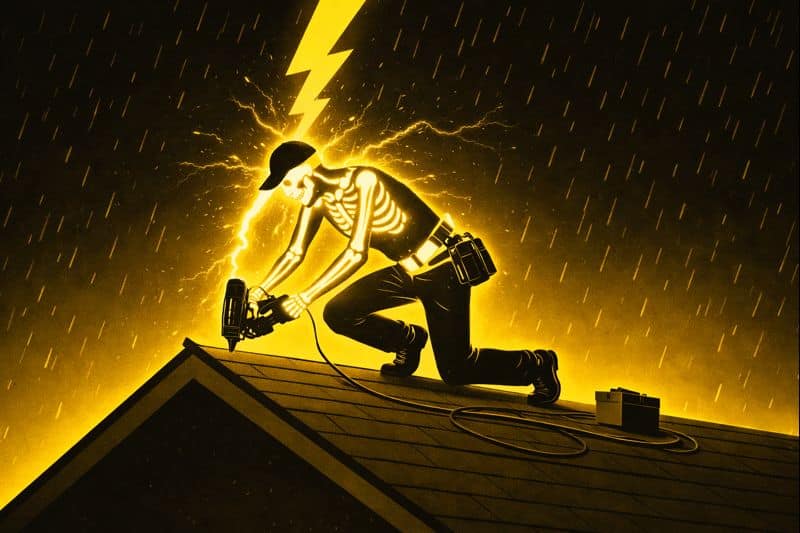
Augusta, Maine – Maine did not record a lightning-related death in 2025, but state officials say that is no reason for complacency after 21 people were killed by lightning nationwide last year.
According to the National Weather Service and the National Lightning Safety Council, 2025 marked the deadliest lightning year in the United States since 2019, with most fatalities occurring during outdoor activities such as boating, hiking, farming, and recreational sports. While Maine avoided a fatal incident, officials note that the state still experiences dangerous thunderstorms each warm season, particularly across inland and western areas.

Lightning risk in Maine peaks from late spring through summer, often during fast-moving afternoon and evening storms. Campers, hikers, anglers, and anyone spending time on lakes or open trails are among the most vulnerable, especially when storms develop with little warning.
Emergency management leaders say the goal heading into 2026 is education and early decision-making. If thunder is heard anywhere in the state, residents should move indoors immediately to a substantial building or enclosed vehicle. Open fields, hilltops, isolated trees, and water significantly increase lightning risk, even if rain has not yet started.
Officials emphasize that safety habits built before storm season begins can prevent tragedy. More lightning awareness campaigns are expected as Maine heads toward warmer months, reinforcing that avoiding a strike starts with acting early.


