

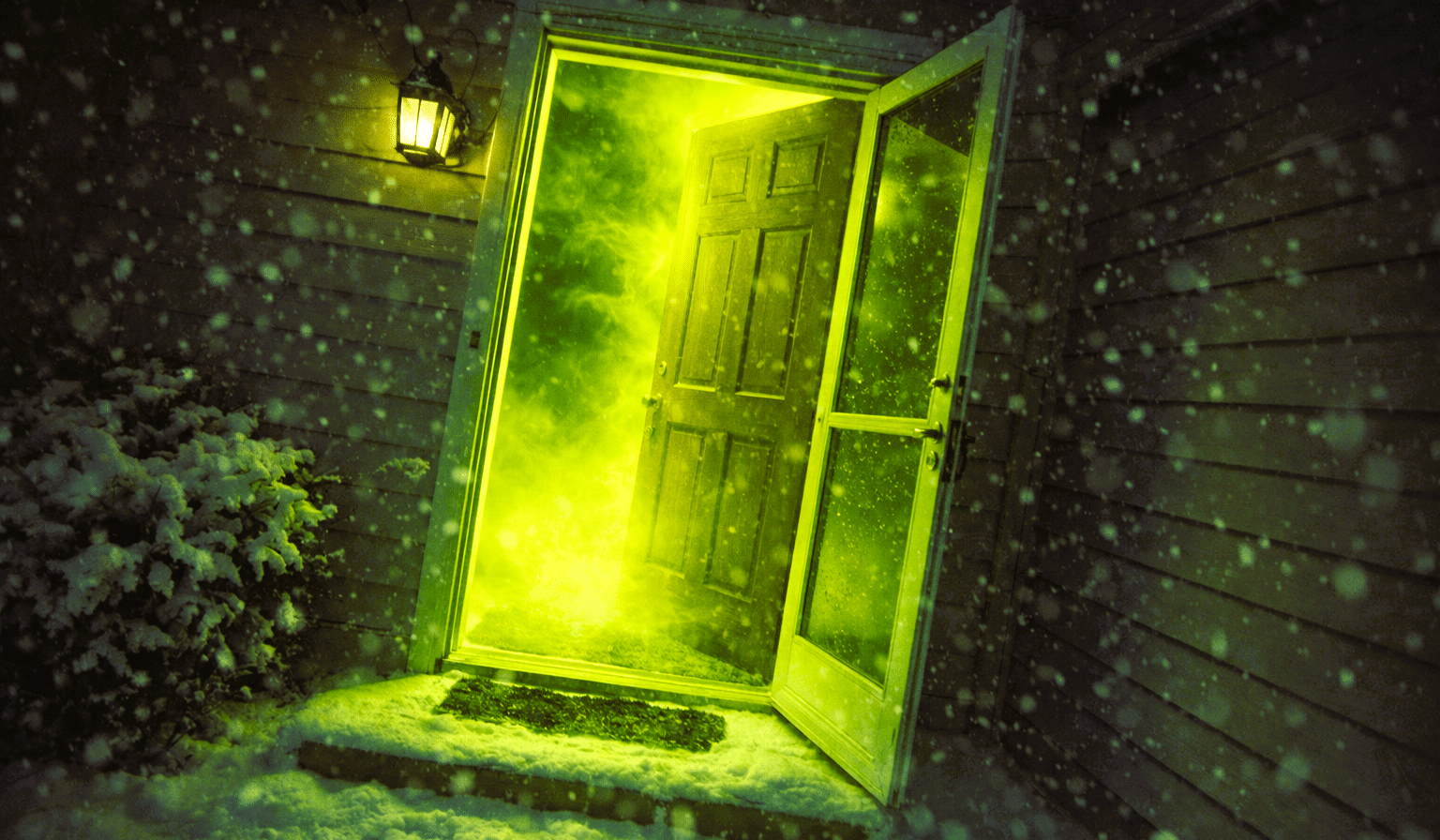
PORTLAND — As snow begins to taper off across Maine, emergency officials are warning residents in Portland, Bangor and surrounding communities that the 24 hours following a blizzard can pose serious hidden risks.
One of the most dangerous threats during this period is carbon monoxide buildup caused by blocked exterior vents.

Heavy snowfall and drifting snow can bury furnace exhaust pipes, dryer vents and gas appliance outlets. In coastal and inland areas alike, vent pipes near ground level can become sealed by compacted snow or ice. When vents are obstructed, exhaust gases may not escape properly, allowing carbon monoxide to accumulate inside the home.
Carbon monoxide is colorless and odorless. Without a working detector, it can build unnoticed.
Officials say the danger often increases after the storm ends. As snow settles, shifts or refreezes overnight, vent openings can become packed tighter. Heating systems may continue running continuously as homes recover from prolonged cold exposure.
Residents are urged to inspect exterior vents once conditions are safe. Exhaust pipes should be fully visible and completely clear of snow and ice buildup.
Authorities also recommend checking carbon monoxide detectors to ensure they are functioning properly and have fresh batteries. Early symptoms of exposure may include headache, dizziness, nausea or confusion.
Emergency officials emphasize that tightly sealed homes during winter weather can intensify the risk if ventilation is compromised.
The storm may be ending outside — but checking vents now could prevent a life-threatening situation inside Maine homes.


