

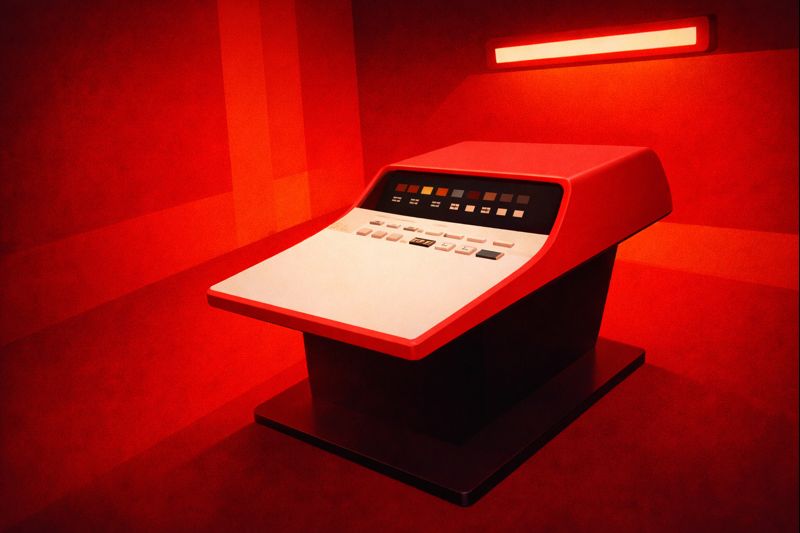
Long before smart speakers, touchscreen refrigerators and app-controlled ovens, designers were already imagining a kitchen that felt closer to science fiction than suburban reality.
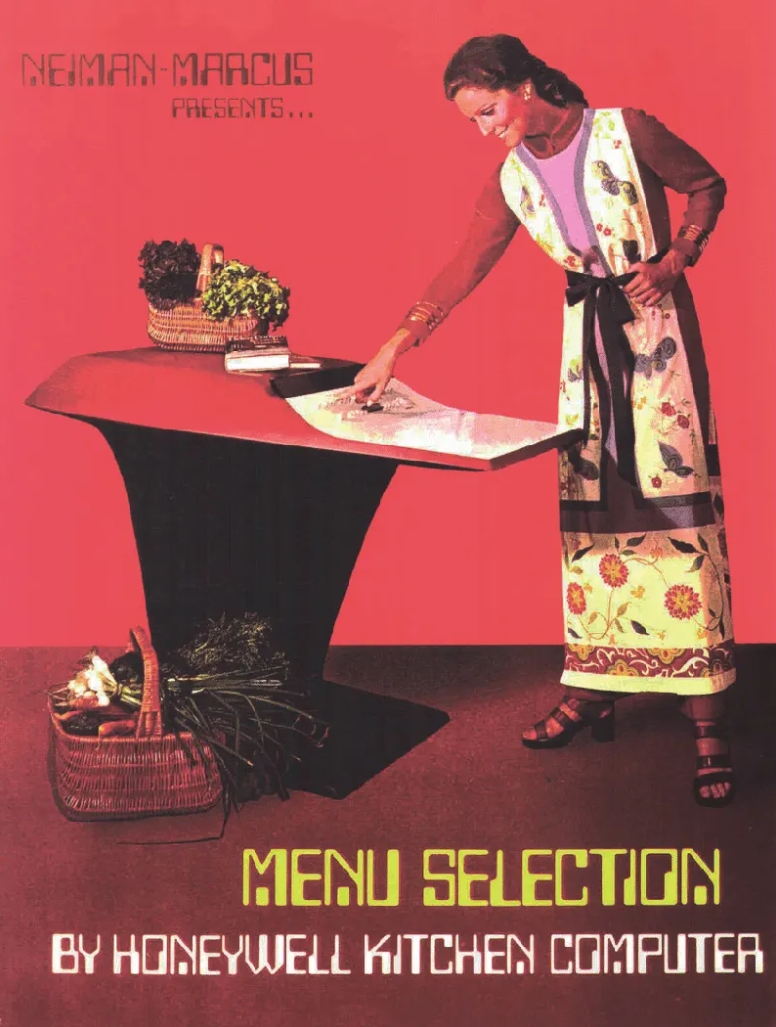
In the late 1960s and 1970s, a handful of companies and industrial designers introduced experimental kitchen systems that aimed to bring computing power into the home. Among the most striking was a tabletop-style computer console designed to assist with meal planning and food preparation, featuring push buttons, printed instructions and a bold, futuristic form.
Design historians say the influence of popular culture was unmistakable. Television shows such as Star Trek presented a future where technology quietly handled everyday tasks, from communication to food preparation. Kitchen designers adopted that same optimism, replacing familiar knobs and burners with smooth surfaces, centralized controls and bright, space-age colors.
The goal was efficiency and control. These systems promised users the ability to store recipes, calculate measurements and guide meal preparation step by step. At a time when computers were still room-sized machines used by governments and corporations, placing one in the kitchen was a radical idea.
The technology, however, was ahead of its time. Limited computing power, high costs and the need for specialized knowledge meant the systems were impractical for most households. Many were displayed at trade shows or sold in extremely limited numbers, more as demonstrations of possibility than everyday appliances.
As consumer tastes shifted and traditional kitchens remained dominant, the futuristic designs faded into obscurity. Today, they survive mostly in archival photographs, advertisements and museum collections, where they are often viewed as curiosities rather than failures.
Modern smart kitchens now perform many of the same functions once promised by those early systems. Touchscreens, connected appliances and digital recipes are common features, supported by technology that finally makes them reliable and affordable.
Experts say the forgotten kitchen experiments offer a reminder that ideas about the future often arrive long before society is ready to adopt them. What once seemed strange or impractical now feels familiar, suggesting that the kitchen of tomorrow was imagined decades earlier — quietly waiting for the future to catch up.


