

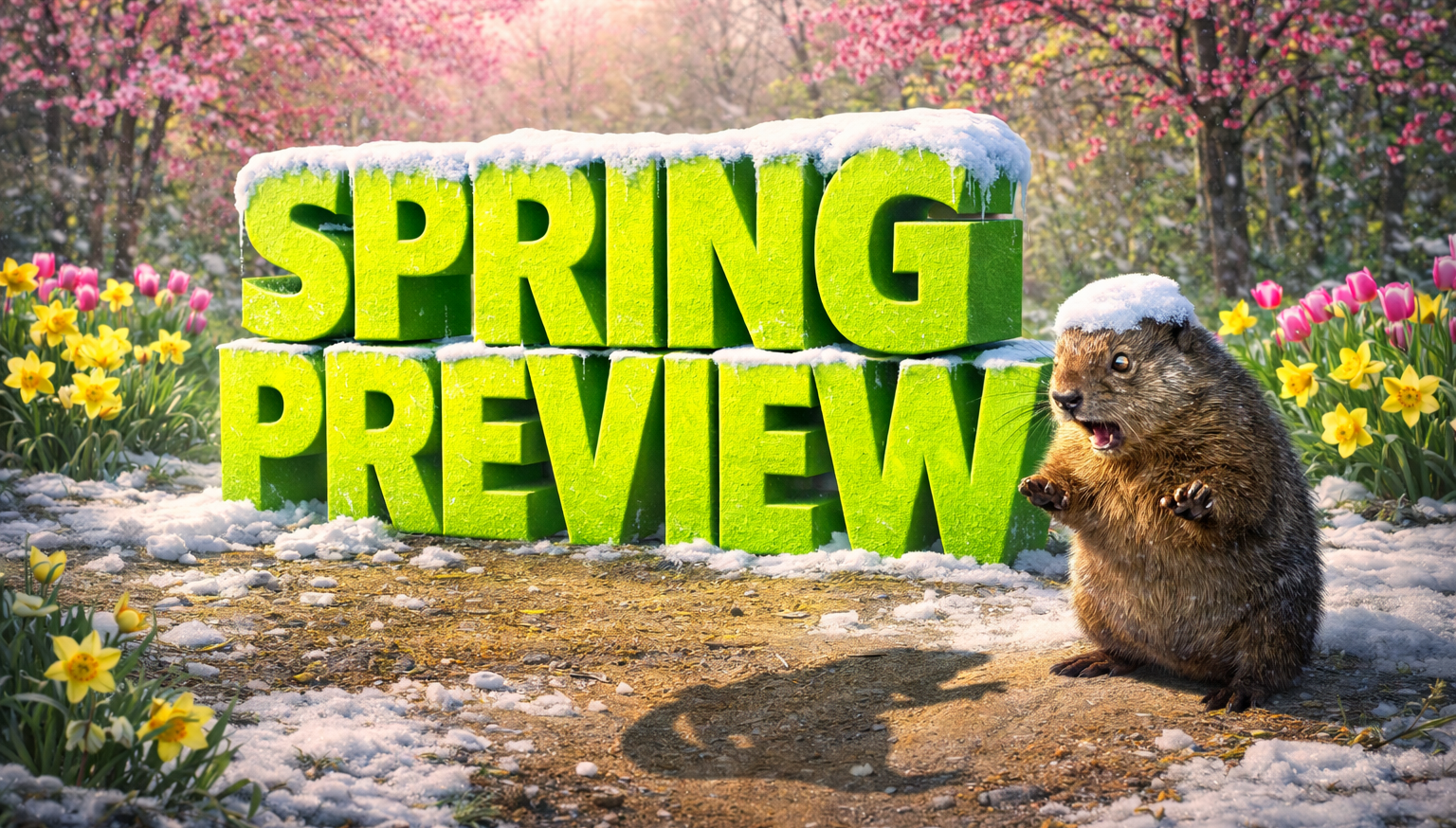
Boise, Idaho – Winter is not ready to loosen its grip across Idaho, as Groundhog Day tradition and long-range climate signals both point toward a delayed transition into spring. Punxsutawney Phil saw his shadow Monday morning, signaling six more weeks of winter and pushing expectations for a dependable warm-up closer to mid-March.
According to the National Weather Service, Idaho falls into an “equal chances” category for temperatures from February through April. That outlook keeps the potential for late-season cold snaps, valley inversions, and additional snow events firmly in play. Boise, Twin Falls, and Pocatello could see repeated winter systems through March, while Idaho Falls and the eastern Snake Plain remain vulnerable to prolonged cold and snow cover.

Precipitation is expected to be a significant factor. According to NOAA’s Climate Prediction Center, Idaho is favored for near to above-normal precipitation through early spring. That supports continued mountain snowfall, beneficial for water supply but challenging for travel through mountain passes such as Lookout Pass, Teton Pass, and along I-84 and I-15 during active storm periods.
While the Farmers’ Almanac notes spring officially begins Friday, March 20, and highlights a total lunar eclipse early Tuesday, March 3, winter impacts may extend beyond those milestones. Idaho residents are encouraged to remain winter-ready, monitor ITD road conditions, and prepare for rapidly changing weather, as snow and cold are likely to remain part of daily life well into early spring.


