

Washington, DC – The most dangerous shift in American public life isn’t loud, dramatic, or even illegal. It’s subtle — and it’s happening in plain sight.
Power doesn’t corrupt institutions by force — it does it by association.

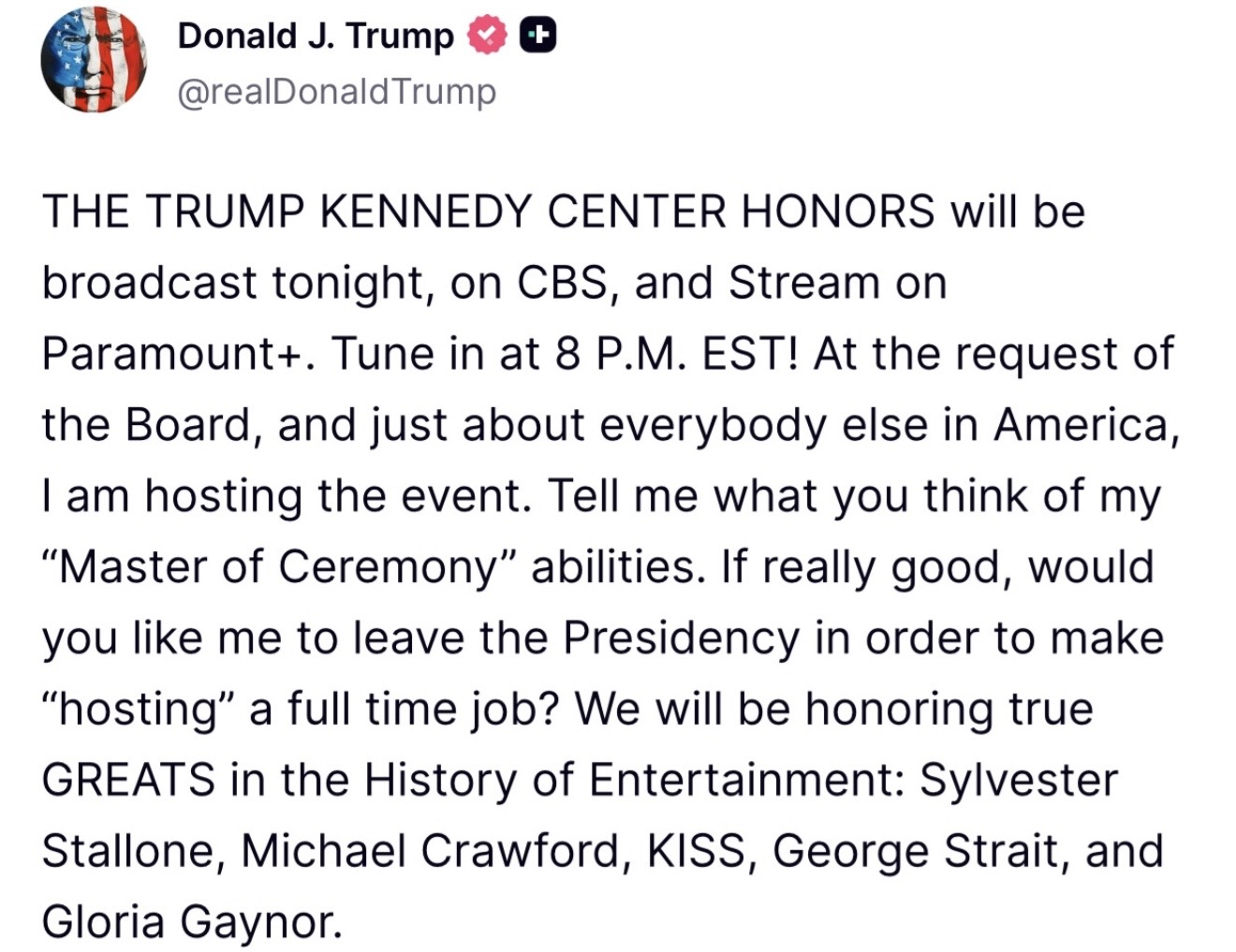
Cultural institutions exist to stand apart from power. Museums, theaters, legacy media, historic venues — their value comes from distance, credibility, and time. They’re supposed to outlast any single political moment or personality. But once they begin centering power instead of holding it at arm’s length, that purpose collapses.
This is how trust erodes without a headline announcing it.
Younger Americans are especially sensitive to this shift because they’ve grown up watching institutions say one thing and do another. When figures associated with controversy, division, or ethical collapse are welcomed into spaces meant to represent shared national values, the message is clear: credibility is negotiable.
The damage isn’t abstract. It changes behavior.
Media outlets soften coverage. Cultural organizations chase access. Decisions are framed as “logistical,” “programming,” or “timing,” but the underlying motive is often avoidance — avoiding backlash, lawsuits, funding threats, or political retaliation. Over time, institutions stop acting independently and start adjusting themselves preemptively.
That’s when history stops being a public record and starts becoming a stage.
For under-30 audiences already skeptical of authority, this doesn’t read as tradition or ceremony. It reads as branding. As reputation laundering. As institutions trading long-term trust for short-term survival.
Institutions don’t fall when they’re attacked.
They fall when they lend their credibility to power.
And once that line is crossed, it’s hard to convince anyone — especially younger generations — that these institutions still belong to the public.


