

Cape Canaveral, Florida – Viewers across Florida have a narrow window this evening to catch a glimpse of NASA’s Artemis II launch, but cloud cover could limit visibility, especially along the coasts.
According to the National Weather Service in Miami, the Artemis II launch window opens at 6:24 p.m. Wednesday, with the rocket becoming visible across parts of Florida between 30 and 60 seconds after liftoff as it accelerates northeast. Cloud cover probabilities exceed 50 percent along both the Atlantic and Gulf coasts, while inland areas near Lake Okeechobee may offer the clearest skies.

Cities including Miami, Fort Lauderdale, and West Palm Beach face around a 49–50 percent chance of significant cloud cover, while Naples and southwest Florida could see even higher coverage near 70 percent. Central Florida locations, including Orlando and areas just west of Cape Canaveral, may have improved viewing conditions depending on cloud breaks.
The visibility map shows the rocket climbing rapidly out of view within about 70 seconds, meaning timing and clear sightlines will be critical for observers.
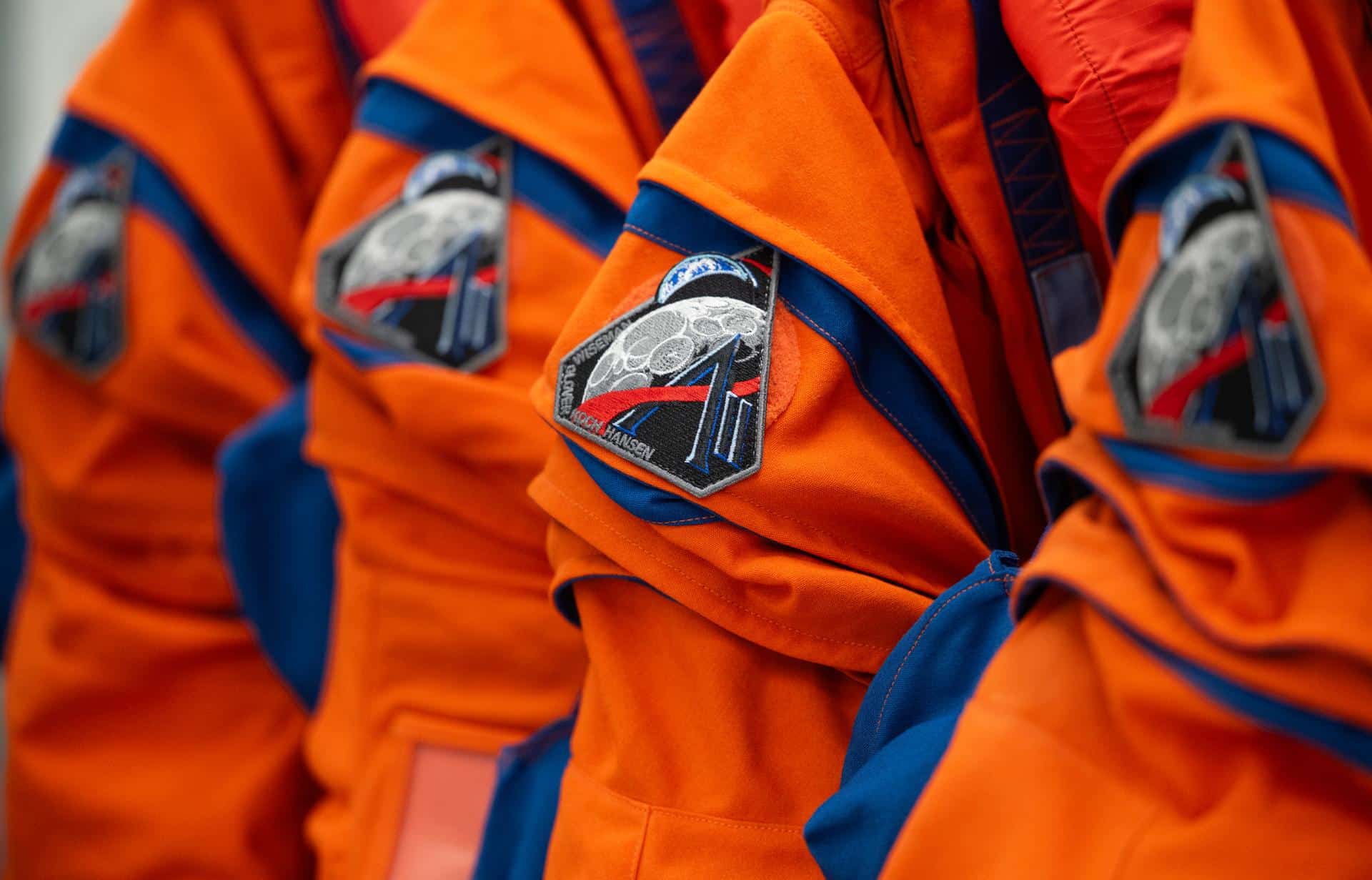
Artemis II marks NASA’s first crewed mission aboard the Space Launch System and Orion spacecraft, sending four astronauts on a 10-day lunar flyby. The mission builds on Artemis I and represents a major step toward sustained human exploration of the Moon and future missions to Mars.
Viewers should find an open sky view toward the east-northeast, avoid bright city lights when possible, and be ready a few minutes before launch.
Cloud conditions will determine visibility, with additional updates possible as launch time approaches.


