

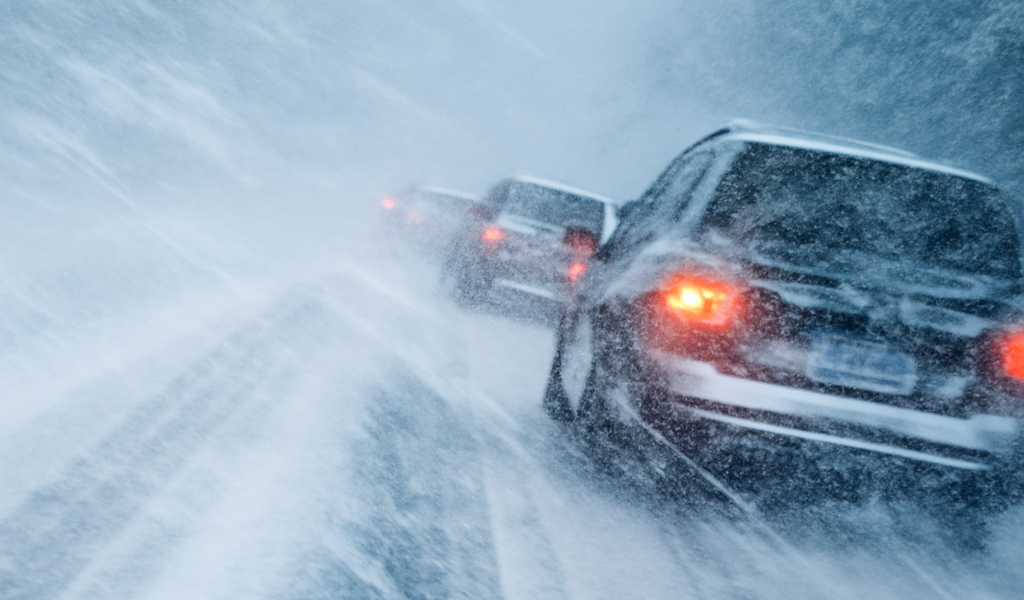
Dubuque, Iowa – Snow and strong winds combined to create hazardous travel conditions across parts of eastern Iowa and northwestern Illinois early Monday, with reduced visibility and slick roads reported across the Quad Cities region.
According to the National Weather Service Quad Cities office, rounds of light to moderate snow continued moving southeast through about 7 a.m. before gradually diminishing. While additional snow accumulation was expected to remain light, strong winds blowing the snow significantly reduced visibility, especially in rural and open areas.

Forecasters reported that visibility dropped below one mile in some locations, particularly along and north of Highway 30. Communities including Dubuque, Davenport, Waterloo, Sterling, and Rockford experienced snow-covered and icy roads during the early morning hours.
Cold temperatures contributed to slick travel conditions by preventing melting on untreated surfaces. The National Weather Service noted that roads quickly became icy as blowing snow refroze, increasing the risk of crashes and travel delays.
Travel was not advised west of Dubuque to Waterloo early Monday due to the combination of blowing snow, low visibility, and slick pavement. A near Dyersville, Iowa, road image shared by Iowa DOT highlighted snow-covered lanes and limited visibility for drivers.
Officials urged motorists who must travel to slow down, increase following distance, and allow extra time to reach destinations. Drivers were also encouraged to remain alert for rapidly changing conditions, particularly on open highways and rural roads where blowing snow is more likely.
While snowfall intensity was expected to decrease after sunrise, lingering wind-driven snow was forecast to continue affecting travel through the morning commute.
Commuters, school staff, and early-shift workers were most likely to feel the impacts during peak morning travel hours.
Residents are encouraged to monitor updates from the National Weather Service and check state road condition resources before heading out.


