

Cleveland, Ohio – Accumulating snow is expected to move into the Cleveland area overnight, with travel conditions deteriorating rapidly by early Sunday and becoming most hazardous Sunday afternoon and evening.
According to the National Weather Service in Cleveland, snow will arrive from the south late tonight and spread northward across northern Ohio. In the Cleveland metro area, accumulating snow is expected between 2 a.m. and 4 a.m. Sunday, with roads becoming snow-covered by early Sunday morning.

Forecasters say the most impactful period will be Sunday afternoon through Sunday evening, when snowfall rates may intensify. The National Weather Service notes the best chance for snowfall rates near 1 inch per hour will occur between 1 p.m. and 7 p.m. Sunday, particularly along and east of Interstate 71, which includes much of Greater Cleveland.
Snowfall totals through Monday morning are forecast to approach 9 to 10 inches in parts of northeast Ohio, including the Cleveland area, with slightly higher totals possible east and southeast of the city. Snow is expected to continue at lighter rates Sunday night before tapering Monday.
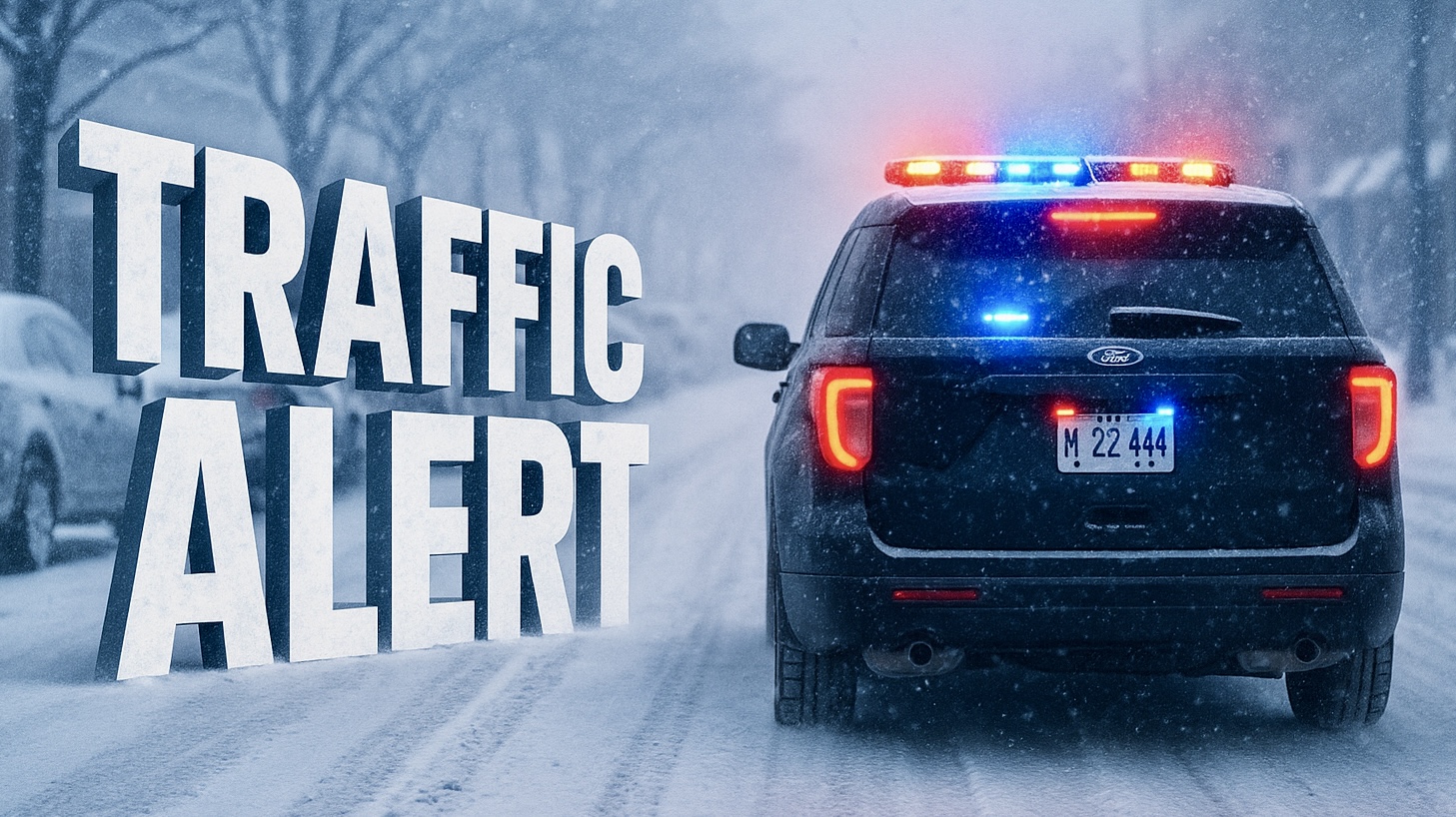
The National Weather Service warns that travel conditions will rapidly deteriorate during periods of heavier snowfall, with hazardous to potentially treacherous driving expected. Snow-covered roads, reduced visibility, and slick conditions will make travel difficult, especially during the Sunday afternoon and evening hours.
Residents are urged to avoid unnecessary travel during peak snowfall, particularly Sunday afternoon. Those who must be on the roads should allow extra time, reduce speeds, and be prepared for rapidly changing conditions.
The timing of the heaviest snow coincides with weekend travel and evening activities, increasing the risk for accidents and delays. Students, workers, and commuters traveling later Sunday may be most affected as snowfall rates increase.
Snow is expected to continue into Monday morning before gradually ending. The National Weather Service advises residents to stay weather-aware, monitor updates, and plan travel around the most hazardous periods.


