

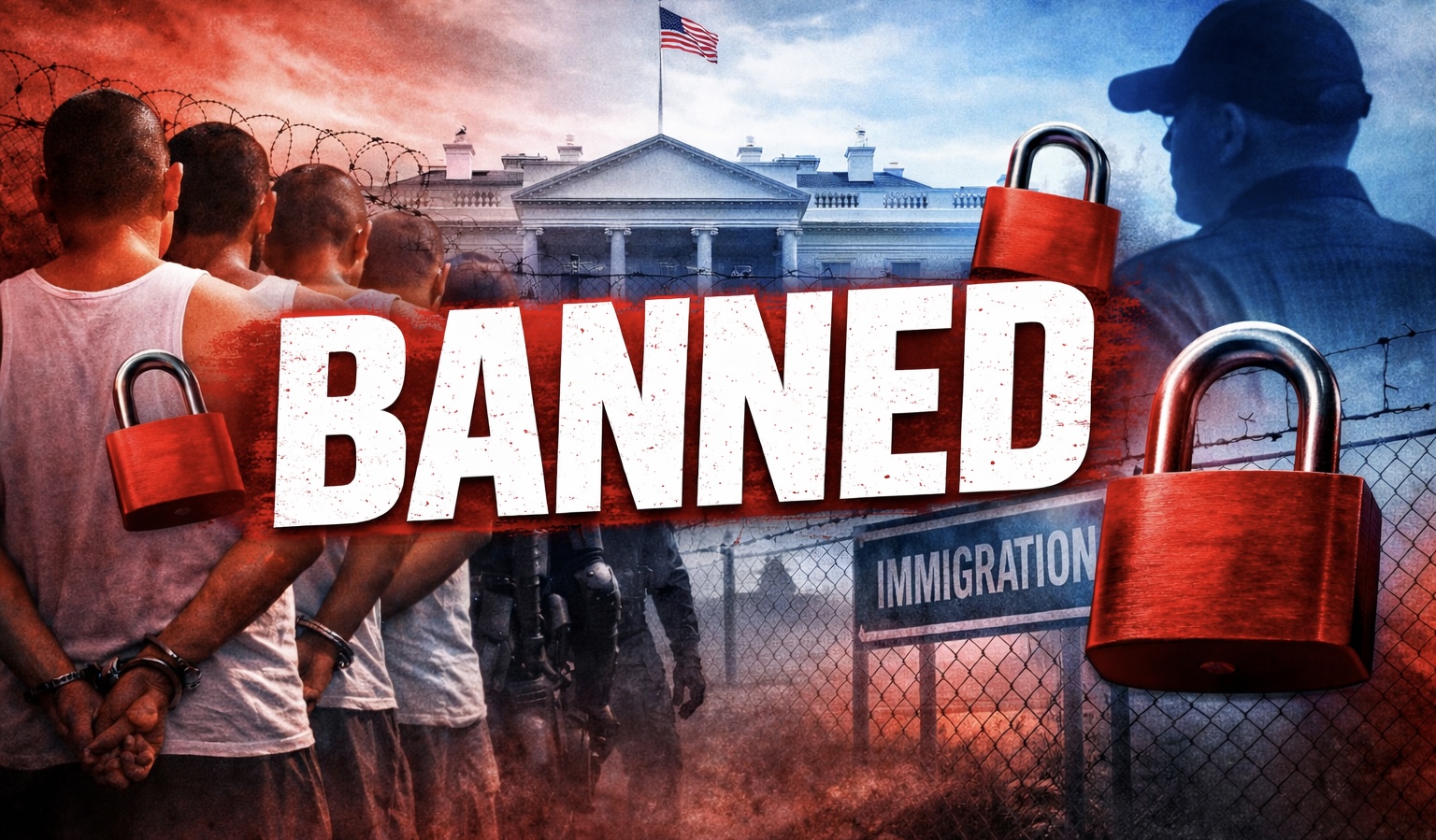
Washington, DC – A 60 Minutes investigation into the Trump administration’s deportation of Venezuelan migrants was pulled from U.S. television just hours before its scheduled broadcast — and is now spreading online after briefly appearing on a Canadian streaming platform.
According to CBS News, the segment, titled “Inside CECOT,” was removed from Sunday night’s lineup for what the network described as “additional reporting.” The report has never aired in the United States, despite being completed and internally reviewed, according to the episode’s producer.
The episode examines the deportation of roughly 250 Venezuelan men sent earlier this year to CECOT, El Salvador’s maximum-security mega-prison built under President Nayib Bukele to house alleged gang members. US officials accused the men of ties to the Tren de Aragua gang, allegations many of the detainees deny.
After CBS pulled the segment, Global TV — which airs 60 Minutes in Canada — briefly made the episode available on its app before removing it, according to The Globe and Mail. Copies then circulated on social media and file-sharing platforms.
CBS journalist Sharyn Alfonsi, who produced the report, said the episode had been screened multiple times and cleared by CBS attorneys and the network’s Standards and Practices unit. In a note to colleagues obtained by NBC News, Alfonsi said pulling the story after clearance was “not an editorial decision, it is a political one.”
The report includes interviews with deported Venezuelans who allege they were shackled, publicly paraded, and abused after arriving at CECOT. One man, Luis Munoz Pinto, said he was detained while awaiting asylum proceedings and had no criminal record. He alleged he was beaten and sexually assaulted inside the prison.
CBS News editor-in-chief Bari Weiss said holding stories back is routine when additional context or voices are needed and said the segment would air in the future.
The controversy comes amid strained relations between President Trump and major media outlets, including recent legal settlements and lawsuits involving broadcast edits. Critics, including FCC Commissioner Anna M. Gomez and Senator Brian Schatz, have called for transparency, warning the decision could undermine newsroom independence.


