

Baltimore, Maryland – Pediatric emergency physicians are warning parents across Maryland to carefully inspect Christmas gifts after a hidden accessory found in many common household items has sent children to emergency rooms with serious internal injuries.
Doctors say the danger is often overlooked because it is not the toy or gift itself that poses the greatest risk. Instead, the threat comes from a small internal component commonly found in toys, electronics, greeting cards, and novelty items that enter homes in large numbers during the holiday season.

Emergency physicians report that when the item is swallowed, injuries can begin developing within hours. Early symptoms may include drooling, vomiting, coughing, chest discomfort, refusal to eat, or unusual irritability. In some cases, symptoms appear mild at first, delaying treatment until more severe damage has already occurred.
Medical officials warn that even short delays can significantly increase the risk of serious complications. Some children require emergency procedures and extended hospitalization.
Hospitals often see a rise in these cases during Christmas, when battery-powered toys, decorations, and electronic gifts are more common in homes. Loose packaging, unsecured compartments, or spare parts left within reach can increase the risk, particularly for infants and toddlers.
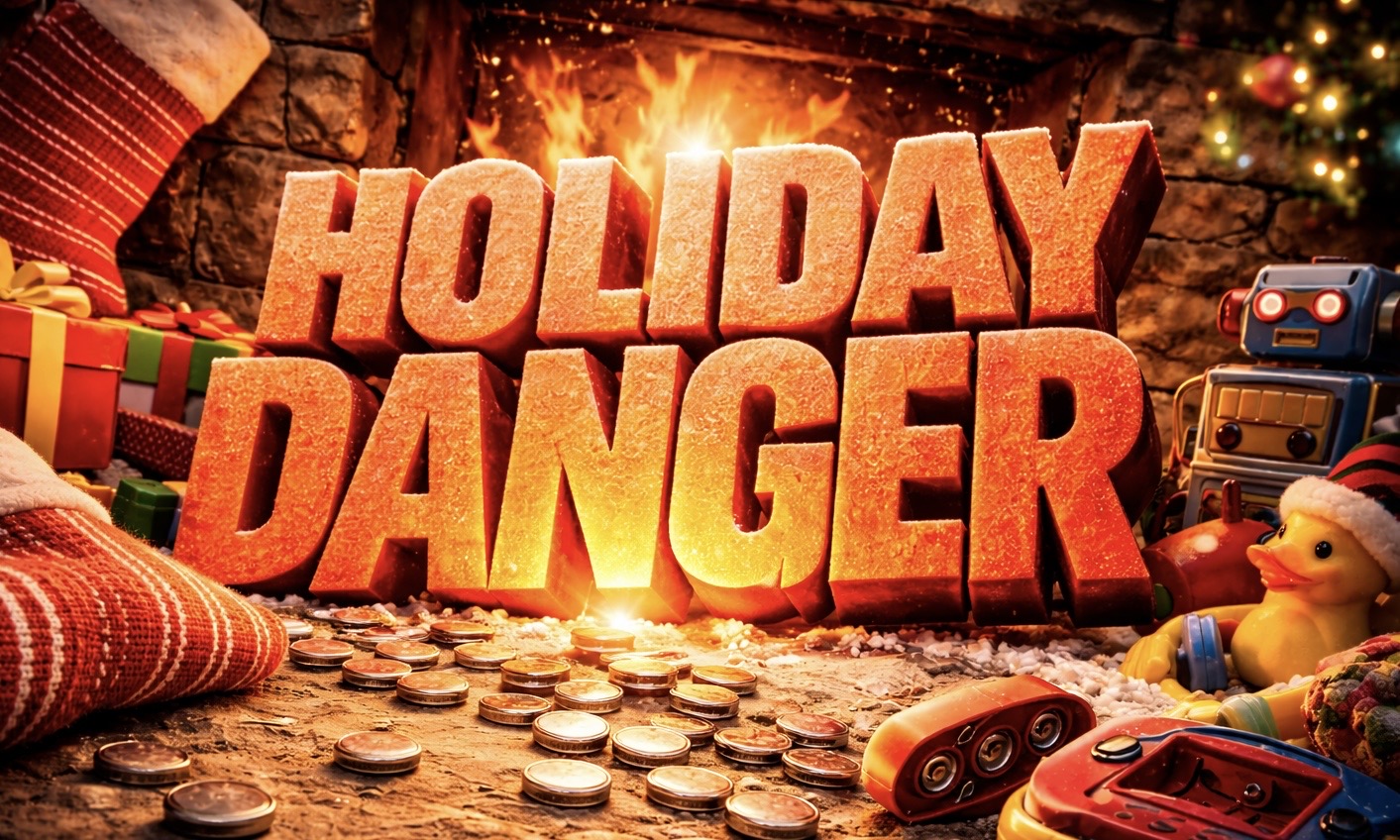
Midway through treatment, physicians frequently identify the cause: a button-style battery, a small, coin-shaped battery used in many household items. When swallowed, it can trigger a chemical reaction that burns through tissue, leading to life-threatening injuries.
Parents and caregivers are urged to immediately inspect new gifts, secure battery compartments, and properly dispose of spare or used batteries. Any missing battery should be treated as a medical emergency.
If ingestion is suspected, caregivers should seek immediate medical care or contact Poison Control at 1-800-222-1222.
Health officials stress that awareness remains the most effective prevention, especially during Christmas, when unfamiliar items fill homes and young children are at increased risk.


