

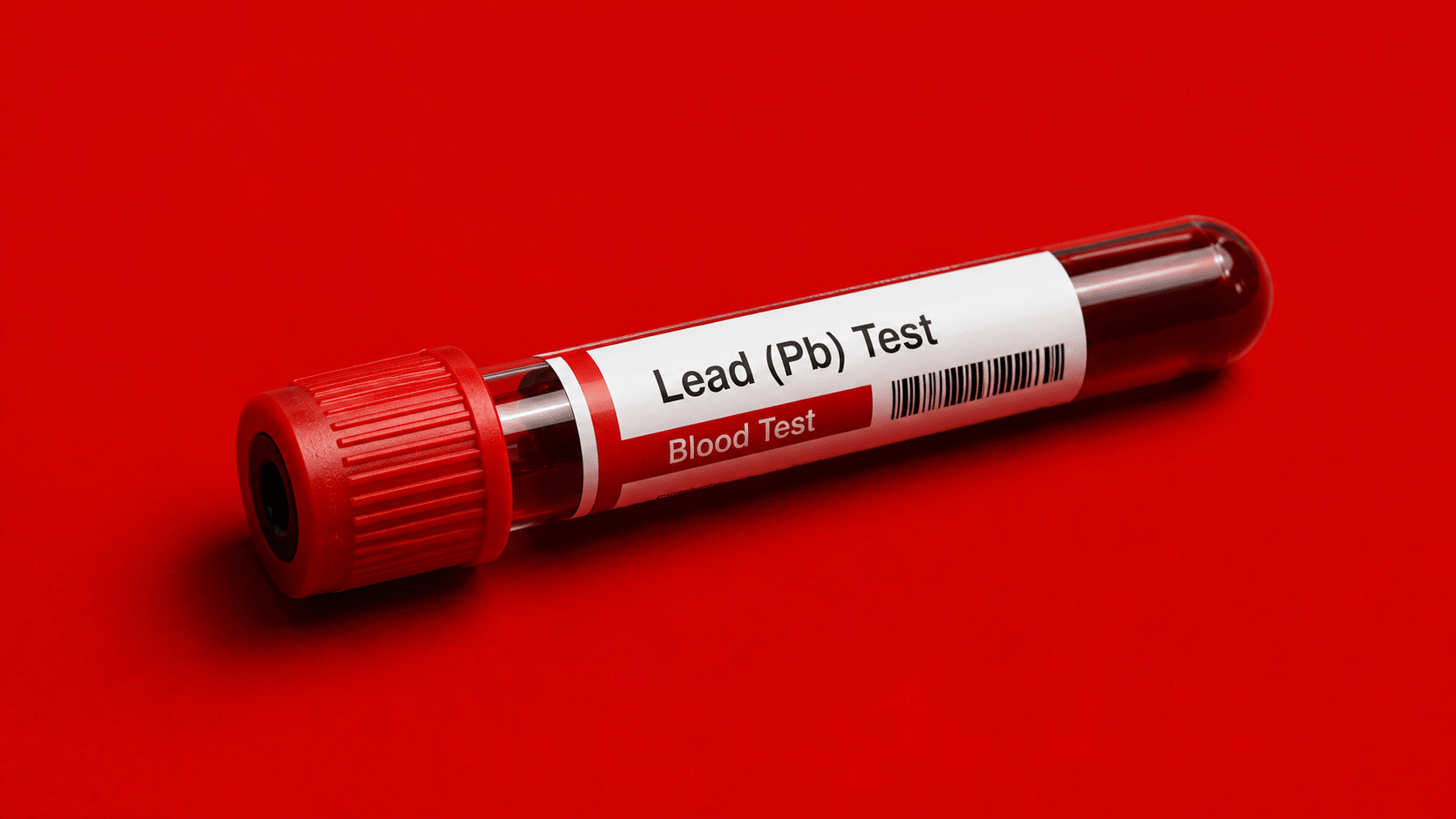

Springfield, IL – Every young child in Illinois will soon be covered under expanded blood lead testing requirements as a new statewide law takes effect Tuesday, July 1, replacing the previous system that focused only on high-risk ZIP codes.
According to the Illinois Department of Public Health (IDPH), the change requires all Illinois children to receive blood lead testing at 12 months and again at 24 months of age. Children six years old and younger must also be assessed for potential lead exposure through a questionnaire administered by their health care provider.

Previously, mandatory testing primarily applied to children living in designated high-risk ZIP codes. State officials said the expansion is the result of a years-long effort to identify more children who may be exposed to lead before serious health problems develop.
“There is no safe level of lead in the blood,” IDPH Director Dr. Sameer Vohra said in a statement. He added that universal testing will help identify children earlier, allowing for intervention and efforts to prevent continued exposure.
According to IDPH, Illinois law requires public health intervention when a child’s confirmed blood lead level exceeds 3.5 micrograms per deciliter (µg/dL). That response includes a home inspection to identify potential sources of lead, assistance with removing hazards when found, and education from a public health nurse on reducing future exposure.
Health officials warn that lead exposure can damage the brain and nervous system and may contribute to slowed growth, developmental delays, behavioral issues and learning difficulties.
The Illinois Department of Public Health said the universal testing requirement is part of its broader efforts to improve children’s health through early screening and prevention programs statewide.
