

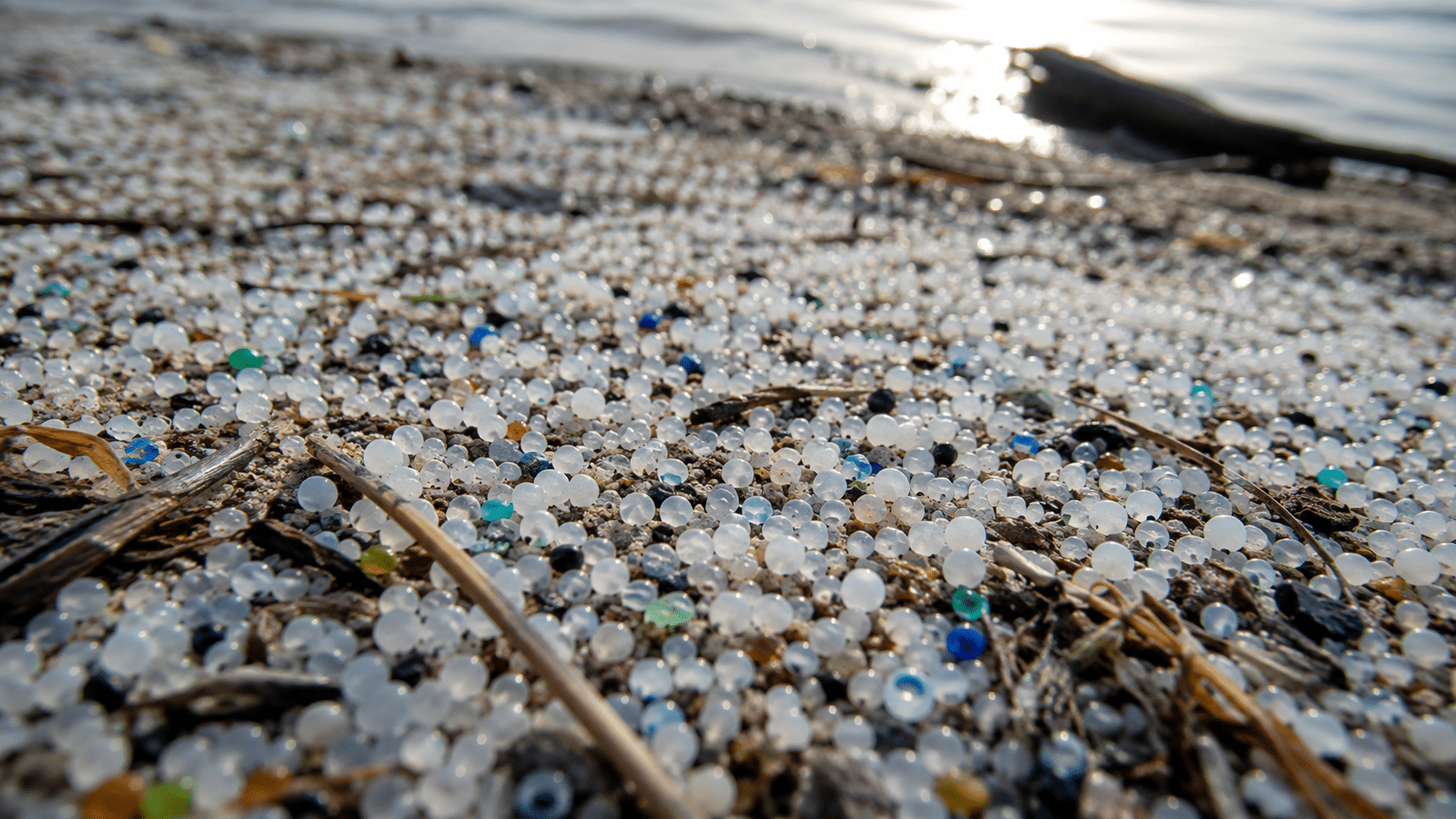
Chicago, IL – Tiny plastic pellets spilled from factories or during transportation will face new pollution controls in Illinois under a law aimed at protecting rivers, lakes and drinking water sources.
According to the governor’s office, Gov. JB Pritzker signed HB 4418, making Illinois the first Great Lakes state to designate pre-production plastic pellets as a pollutant under state law.

The pellets, sometimes called “nurdles,” are small pieces of plastic used as raw material in manufacturing. They can enter waterways after spills, during transportation or through stormwater runoff from industrial facilities.
Under HB 4418, the Illinois Environmental Protection Agency is directed to develop and implement stormwater pollution controls specifically addressing the pellets.
Companies covered by the requirements would need plans designed to prevent pellets from reaching waterways.
The legislation could have implications beyond individual facilities because Illinois waterways connect with the broader Great Lakes system, a major source of drinking water and wildlife habitat.
The governor’s announcement cited estimates that approximately 22 million pounds of plastic waste enter the Great Lakes annually and that plastic accounts for 86% of litter collected on Great Lakes beaches.
It also cited research finding microplastics in all tested Illinois waterways.
“Plastic pellets may be small, but their impact on our environment, wildlife, and public health is significant,” state Rep. Joyce Mason, the bill’s chief House sponsor, said in the announcement.
State Sen. Julie Morrison, the chief Senate sponsor, said requiring manufacturers and transporters to prevent pellet releases would address pollution at its source.
The Alliance for the Great Lakes also praised the legislation, calling Illinois the first state in the Great Lakes region to hold producers and transporters accountable through these protections.
For residents, the law represents a new effort to stop plastic pollution before it reaches Illinois rivers, lakes and Great Lakes drinking water sources.
