

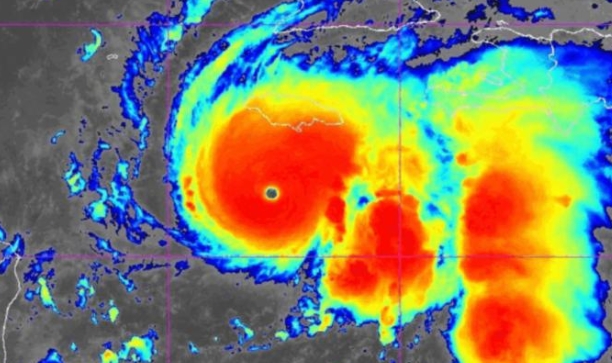
Miami, Florida – You won’t hear this hurricane name used again in the United States. It has officially been retired after the storm’s catastrophic impact and historic intensity during last year’s Atlantic season.
According to the World Meteorological Organization’s Hurricane Committee, the name was permanently removed from the rotating Atlantic storm list following the hurricane’s deadly and destructive path across the Caribbean in October 2025. The committee replaces names only when a storm is so severe that reusing it would be inappropriate or insensitive.

At peak strength, the hurricane reached Category 5 intensity on the Saffir-Simpson scale, packing maximum sustained winds near 157 mph, or about 300 kilometers per hour. It became one of the strongest Atlantic hurricanes ever recorded at landfall, producing life-threatening storm surge, devastating wind damage, and extreme rainfall across multiple island nations.
More than 90 people lost their lives as flooding and wind destruction impacted Jamaica, Haiti, Cuba, and the Dominican Republic. Entire communities were inundated, critical infrastructure was crippled, and recovery efforts are still ongoing months later.
For U.S. residents, hurricane name retirement serves as a reminder of how serious major storms can become — especially as rapid intensification events grow more common in a warming climate. Retired names mark the storms that changed communities forever.
The now-retired name will be replaced on future Atlantic lists, ensuring it is never assigned to another tropical cyclone. As another hurricane season approaches, emergency managers urge families along the Gulf and East Coasts to review evacuation routes, refresh disaster supplies, and prepare well before the next name begins to form offshore.


