

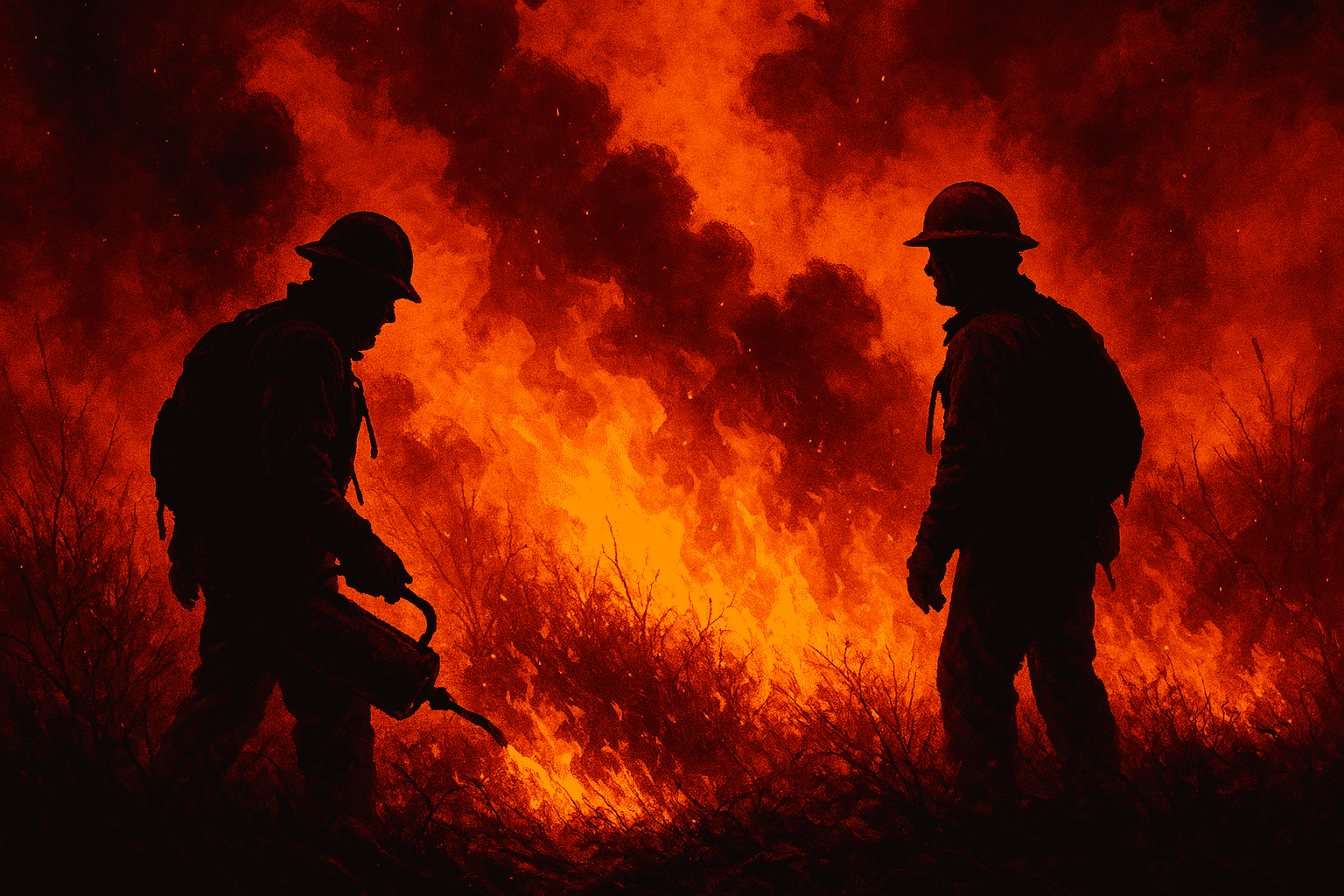

Horicon, Wisconsin – Wisconsin Department of Natural Resources crews planned a prescribed burn Wednesday at Horicon Marsh State Wildlife Area, focusing on a 700-plus-acre fuel-reduction effort in cattail marsh habitat.
According to a Wisconsin DNR social media post, crews have been slowly beginning the prescribed burn season and planned to focus Wednesday on reducing heavy or hazardous fuels that can build up in cattail marshes and wetlands.
The agency said cattail wildfires can be difficult to suppress during warmer summer months, when both dead and live cattails are available to burn. By conducting burns in winter, the DNR said, staff can take advantage of conditions such as ice and snow cover, which can reduce heat, intensity and risk to the public.
The DNR emphasized that prescribed burns are not only aimed at hazardous-fuel reduction. The agency said removing built-up dead vegetation can open waterways for migratory fowl and other wildlife, and can reduce dead plant material to ash that returns natural fertilizer to soils.
Following a burn, the DNR said hazardous fuels are reduced and that foraging and nesting conditions can improve as vegetation is revitalized. The agency also said stimulated root growth can enhance plants’ ability to sequester more carbon, adding that the “carbon cost” of a burn can be recouped within 1 to 2 years, with additional years of higher carbon storage rates.
Other benefits cited by the DNR include reducing non-native or invasive plant species and supporting increased growth of native wildflowers and beneficial insects.
The DNR did not provide timing, smoke impacts, or public access details in the information provided.
For commuters, students, and workers traveling near Horicon Marsh, prescribed fire operations can draw attention due to visible smoke and active field work.
