

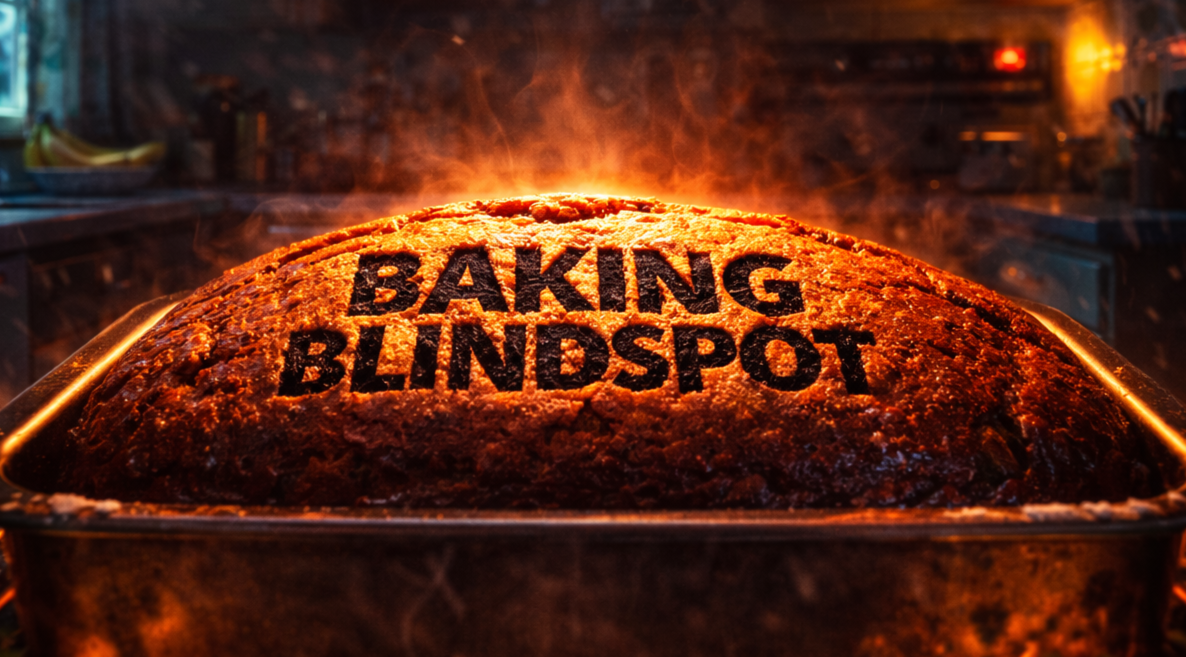
PHILADELPHIA — Today is National Banana Bread Day, a comfort-baking tradition that often follows long periods indoors. Across Philadelphia and much of southeastern Pennsylvania, residents are emerging from days of snow, icy streets and disrupted schedules, with kitchens returning to full use as routines normalize.
Safety officials say that return can come with an overlooked risk.

After a blizzard, most attention remains on road conditions, transit delays and reopening plans. Inside the home, however, refrigerators, freezers and cooking appliances may have experienced subtle disruptions during the storm.
Brief power flickers — common during heavy snow and wind — can cause internal refrigerator temperatures to rise without obvious warning. Repeated door openings during outages or periods of uncertainty can further reduce cooling stability. Perishable foods stored before the storm may have been exposed to temperature changes that are not immediately noticeable.
Freezers that partially thaw and refreeze may not show visible signs of compromise. Items can appear normal while having experienced temperature fluctuations that increase spoilage risk.
Extended indoor time also increases appliance use. Ovens and stovetops may have operated longer than usual during cold weather, and temporary extension cords used during outages can remain in place after power is restored. In busy kitchen spaces, those adjustments can raise fire and electrical safety concerns.
Pets may face additional exposure as baking ingredients and leftovers become more accessible during extended cooking periods.
With National Banana Bread Day prompting more activity in kitchens across Philadelphia, officials recommend checking refrigerator and freezer temperatures, discarding questionable perishables and removing temporary power setups that are no longer necessary.
As Pennsylvania transitions out of storm recovery, safety experts emphasize that reassessing kitchen conditions is an important — and often overlooked — step in winter safety.


