

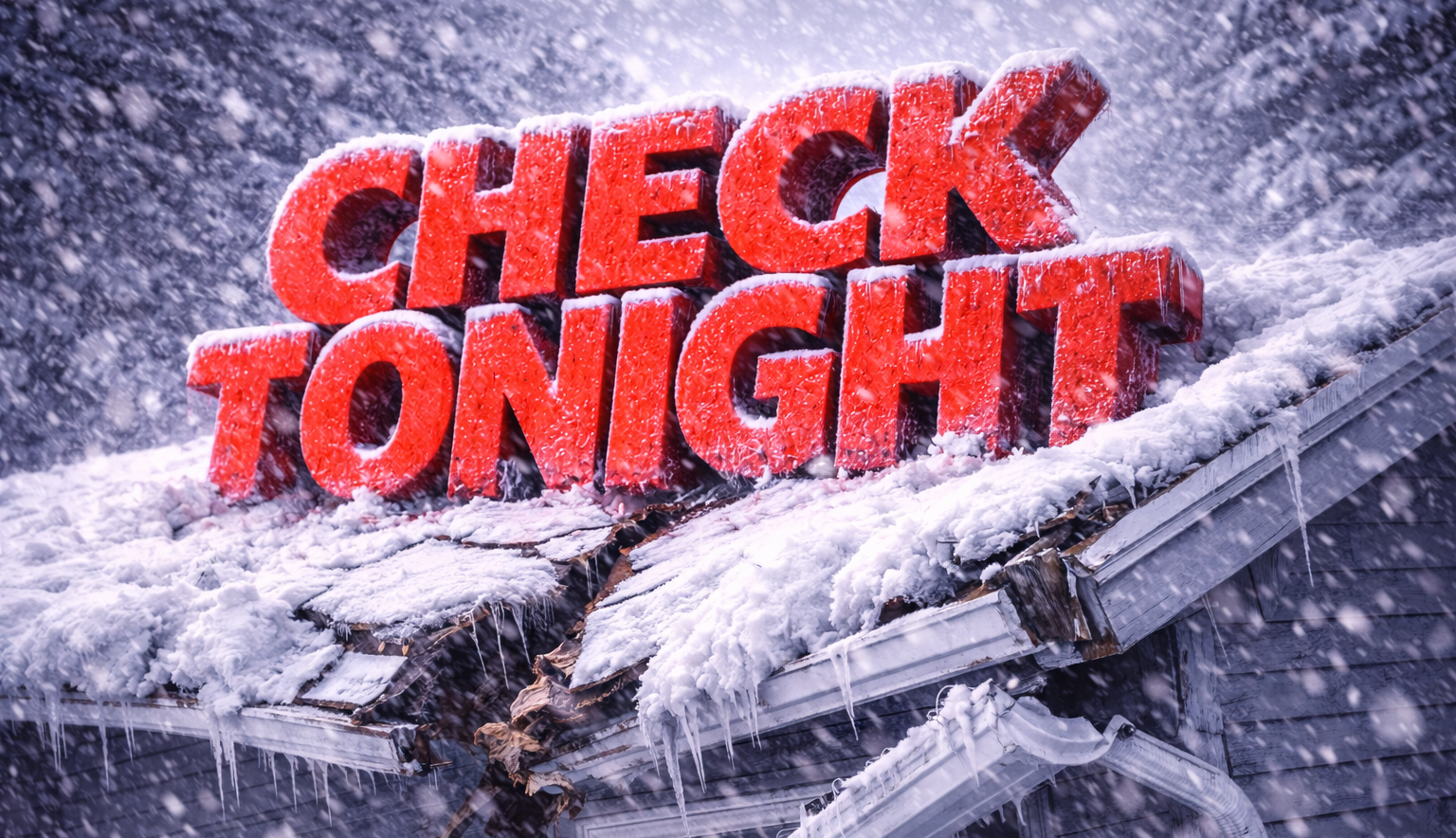
NEW YORK — As heavy snow continues to fall across New York from neighborhoods near Central Park in New York City to Long Island, officials are urging residents to take key precautions before heading to bed.
Forecasters warn snowfall totals could rise significantly overnight, increasing stress on rooftops, blocking ventilation systems and raising the risk of isolated power outages. Major corridors including Interstate 90 and portions of the New York State Thruway have experienced deteriorating conditions, while residential streets across the state are rapidly accumulating snow.

Emergency management officials say the overnight hours often bring the greatest risk, as temperatures drop and heating systems operate continuously.
Authorities recommend residents conduct a brief home safety check before turning in.
Key safety steps New York residents should complete tonight:
- Clear exterior vents. Ensure furnace, boiler and dryer vents are free from snow to reduce the risk of carbon monoxide buildup.
- Test carbon monoxide and smoke detectors. Confirm devices are functioning properly, especially as heating systems run at full capacity.
- Check space heaters. Keep heaters away from flammable materials and avoid using units not rated for overnight operation.
- Monitor roof and ceiling conditions. Heavy snow can strain flat roofs common in parts of New York City and older homes in Buffalo. Listen for unusual sounds and look for ceiling discoloration.
- Protect pipes along exterior walls. Open cabinet doors to allow warm air to circulate around plumbing.
- Clear vehicle exhaust pipes. Before starting cars in the morning, remove snow from tailpipes to prevent dangerous fumes.
- Charge essential electronics. Gusting winds overnight may lead to scattered outages in some areas.
Communities from Manhattan to downtown Buffalo have reported steady snowfall, with plow crews working extended shifts. Officials caution that residential streets may not be cleared before morning, and icy conditions could worsen as temperatures fall.
Authorities also encourage residents to check on elderly neighbors and those with limited mobility during extended snowfall.
While snowfall is expected to taper off tomorrow, emergency officials emphasize that the overnight hours frequently present the highest risk for frozen pipes, heating-related hazards and structural strain.
Officials say taking a few minutes tonight to inspect homes could help prevent serious issues by daybreak across New York.


