

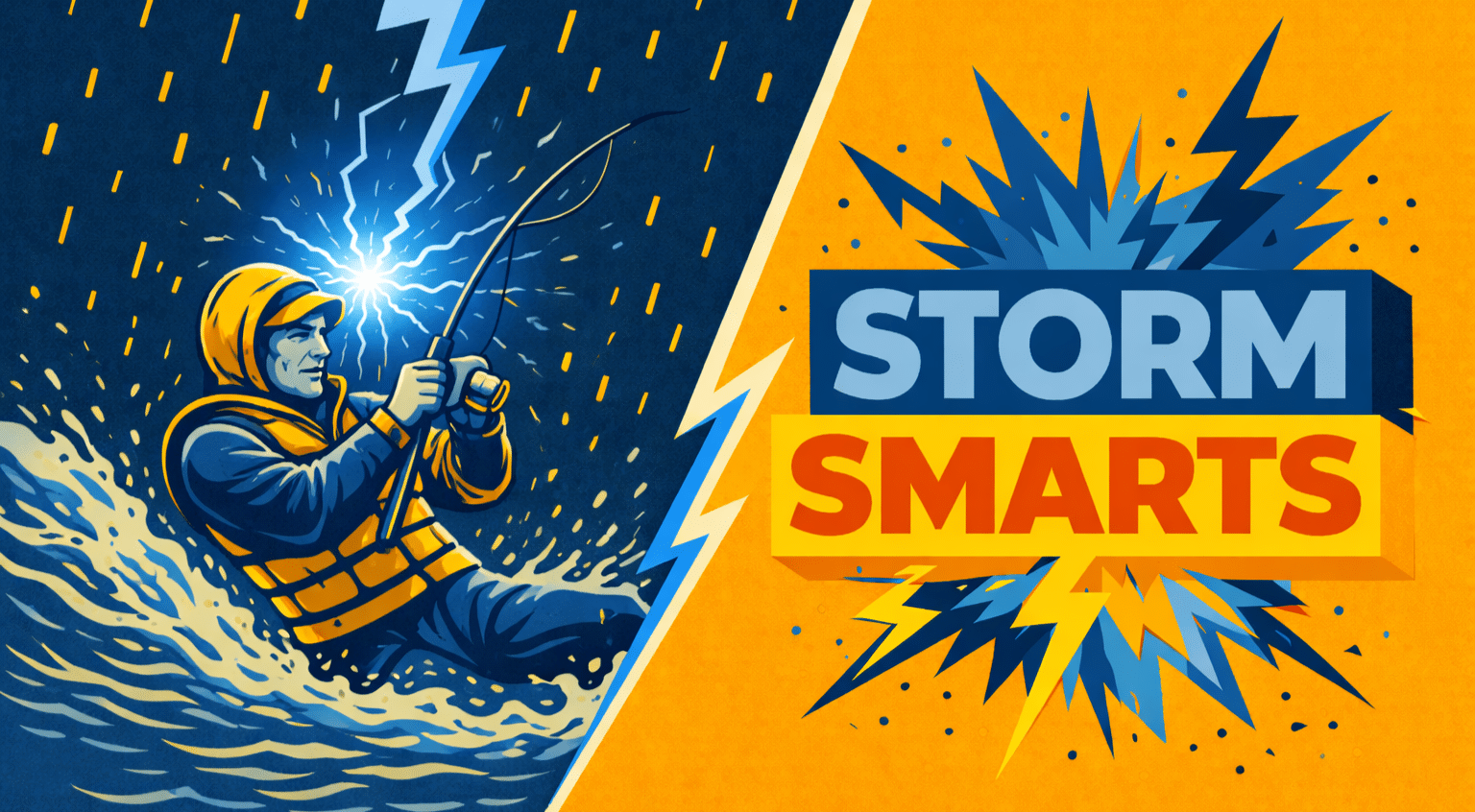
Lincoln, Neb. – Before you back the boat down the ramp or settle along the shoreline, take a moment to check the forecast — because lightning can strike long before the rain begins.
More than 60% of lightning fatalities happen during outdoor recreation, often during everyday activities like boating, fishing and swimming. In Nebraska, the risk increases in late spring and peaks during the summer months when heat-driven afternoon thunderstorms develop quickly across the Plains.

Here’s what catches many people off guard: lightning can strike miles away from a storm. It doesn’t have to be raining overhead. Blue sky above you does not mean a storm isn’t nearby. If you can hear thunder, you are already within striking distance.
Open water increases vulnerability. Popular destinations such as Lake McConaughy, Branched Oak Lake, Lewis and Clark Lake and stretches of the Platte and Missouri rivers draw heavy seasonal crowds. Fishing rods, aluminum boats, docks and exposed shoreline areas offer little protection, and a direct strike can cause serious injury or disable onboard electronics.
Safety officials emphasize a simple rule: at the first sound of thunder, leave the water immediately and seek shelter inside a fully enclosed building or hard-topped vehicle. Picnic shelters, pavilions and trees do not provide safe protection.
For students, seasonal workers and summer visitors, peak recreation season also brings peak lightning danger.
Checking the forecast before heading out — and being willing to delay plans — can prevent a routine summer outing from turning into an emergency.


